Wildfire Smoke Inside Your Home: A Cleanup Guide
Wildfire Smoke Inside Your Home: A Cleanup Guide
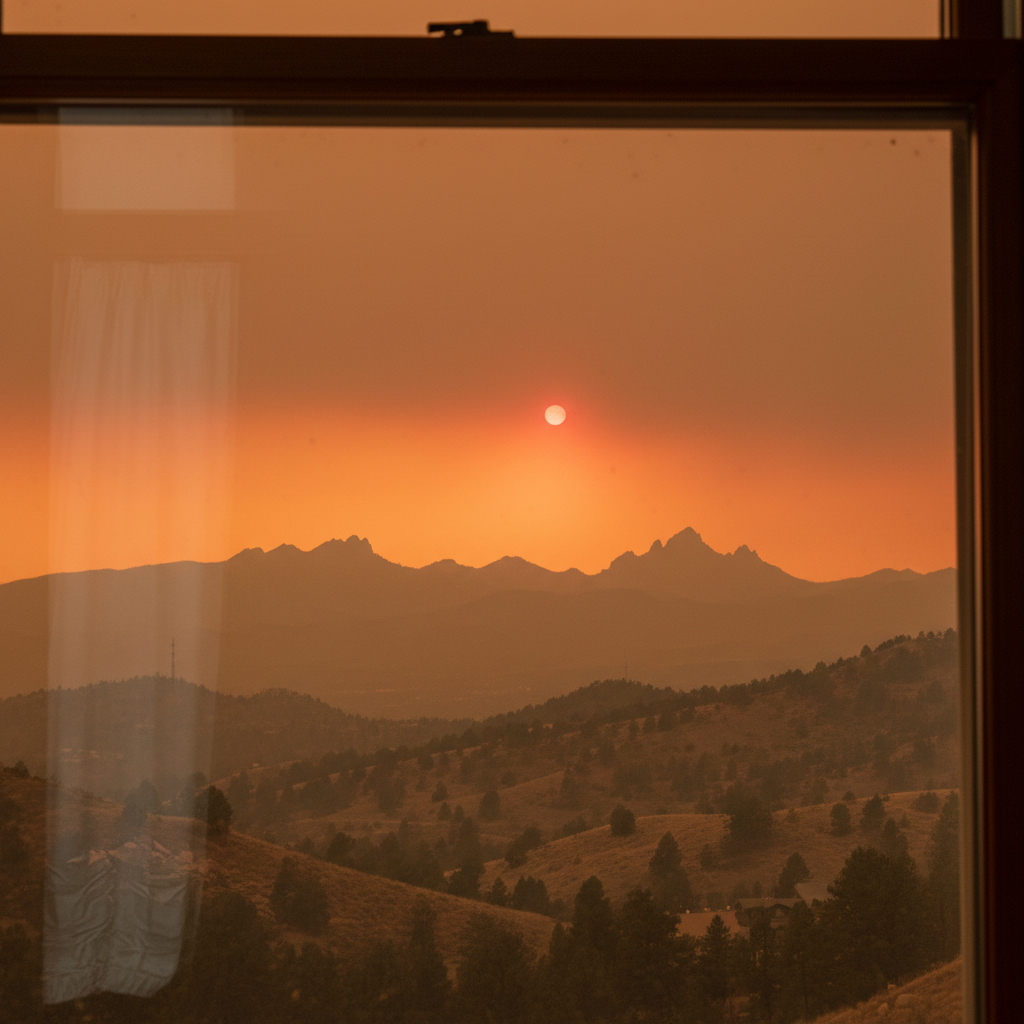
Wildfire season in the Rocky Mountains has become a year round concern for residents across the Denver metro area and the Front Range. When massive blazes ignite in the high country or even thousands of miles away in Canada, the unique geography of the South Platte River Valley often traps smoke in a thick, hazy layer over our neighborhoods. This smoke is not just a nuisance. It is a complex mixture of gases and fine particles produced when wood and other organic materials burn. For Denver homeowners, the challenge is that smoke does not stay outside. It infiltrates attic insulation, settles into carpet fibers, and coats the interior of HVAC ductwork. Even after the outdoor air clears, the smell of "campfire" persists inside your home, indicating that harmful particulates are still present. This guide provides a defensible, professional sequence for cleaning up after a wildfire event to ensure your indoor air quality returns to a healthy state.
Understanding the Chemistry of Wildfire Smoke
To effectively clean your home, you must first understand what you are fighting. Wildfire smoke is far more complex than the soot from a localized candle or a fireplace. It contains fine particulate matter, known as PM2.5, which is small enough to be inhaled deep into the lungs and even enter the bloodstream. According to the AirNow Wildfire Smoke resource, these particles are the primary health threat during a smoke event.
PM2.5 and VOCs
Beyond the visible ash, smoke carries Volatile Organic Compounds (VOCs) like benzene, formaldehyde, and acrolein. These compounds "off-gas" from your furniture and walls long after the fires are extinguished. In the dry, high-altitude climate of Colorado, these particles can remain suspended in the air longer or bond more tightly to dry surfaces like unfinished wood or drywall.
The Role of Char and Soot
Char is the larger, black debris you see on windowsills. Soot is the finer, greasy byproduct that stains walls. Because Colorado homes often deal with low humidity, these particles can become electrostatically charged, causing them to cling to ceilings and the blades of ceiling fans. Understanding this helps you realize that simple dusting with a dry cloth will only redistribute the problem.
Initial Steps for Indoor Air Mitigation
Before you begin a deep scrub, you must address the air itself. Every time you walk through a room, you kick up settled particles. The EPA Wildfire Smoke Guide recommends high-efficiency air filtration as the first line of defense.
High-Efficiency Particulate Air (HEPA) Filtration
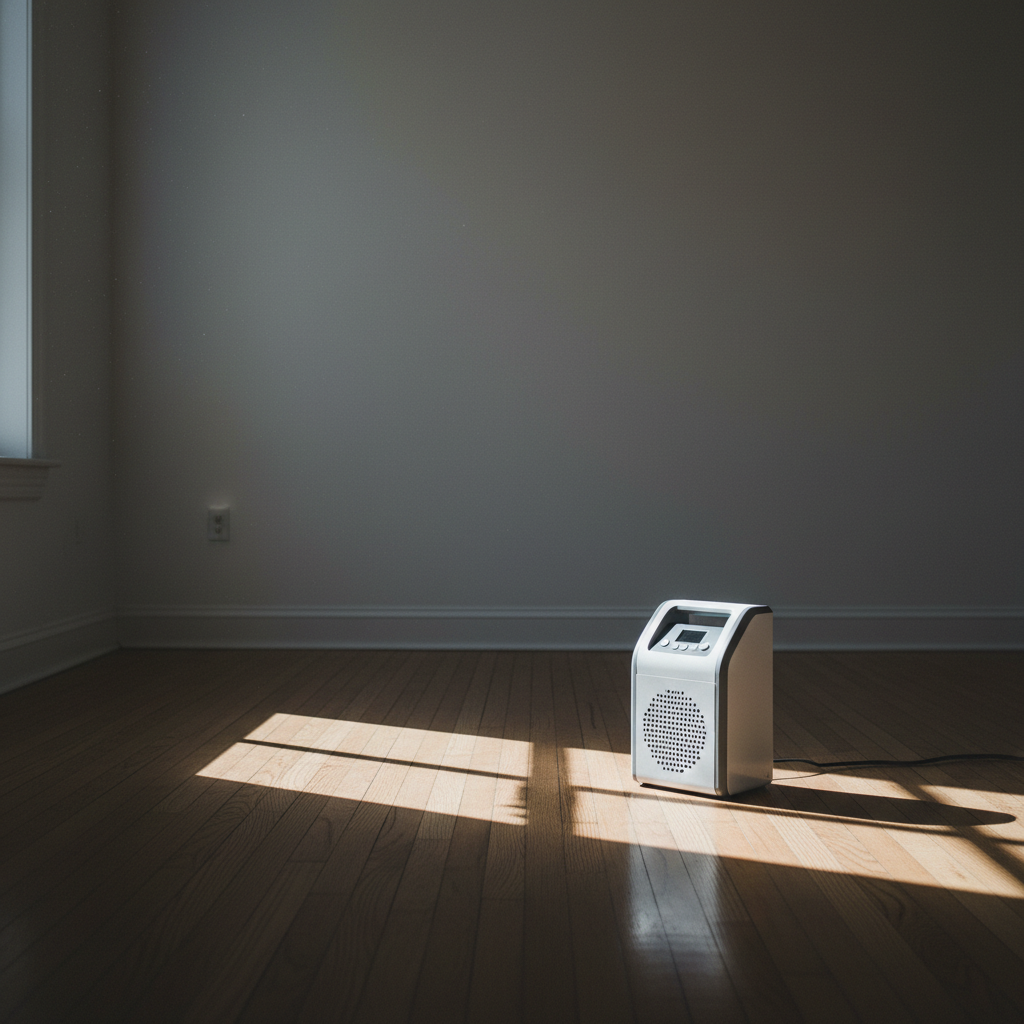
Standard 1-inch pleated filters in your furnace are designed to protect the blower motor, not your lungs. During and after a smoke event, you should upgrade to a MERV 13 or higher filter if your system can handle the static pressure. Portable HEPA air purifiers should be run in bedrooms and main living areas 24/7 until the odor is neutralized.
Avoiding Ozone Generators
Many people mistakenly believe that ozone is the best way to "kill" smoke odors. This is a dangerous misconception. Ozone is a lung irritant that can react with the chemicals in wildfire smoke to create even more toxic byproducts like formaldehyde. At Stink Stompers Denver, we never use ozone. Instead, we utilize chlorine dioxide (ClO2) gas which is a powerful oxidizer that breaks down odor molecules at the molecular level without leaving harmful residues.
Professional Cleaning Sequence for Surfaces
Once the air has been stabilized, you must focus on the surfaces where smoke has settled. This is a labor-intensive process that requires specific tools and techniques. The CDC Wildfire Smoke documentation emphasizes the importance of wearing personal protective equipment (PPE) like N95 masks during this phase to avoid inhaling re-suspended ash.
Top-Down Cleaning Method
Always clean from the ceiling down to the floor. Particulates follow gravity. Start by vacuuming ceilings using a HEPA-filtered vacuum with a brush attachment. If you use a standard vacuum without a HEPA filter, you are simply acting as a "smoke spreader," shooting fine particles out of the vacuum exhaust and back into the room.
Hard Surface Restoration
Wipe down all hard surfaces, including walls, baseboards, and the tops of door frames. Use a pH-neutral cleaner or a specialized degreaser to break down the oily resins found in wood smoke. Avoid using bleach, as it can react poorly with some smoke components and damage finishes. Pay special attention to windows and tracks, as these are "hot spots" where smoke enters the home.
Soft Contents and Textiles
Curtains, upholstery, and carpets act as giant filters during a smoke event. Most curtains should be professionally dry-cleaned. For carpets, a thorough HEPA vacuuming followed by professional hot water extraction is necessary. However, if the smoke was heavy, the padding underneath the carpet may have absorbed the oils, which is why a professional odor remediation specialist is often needed to treat the subfloor.
Addressing the HVAC System and Air Ducts
In the Denver metro area, our HVAC systems work hard year-round. During a wildfire, the return vents pull smoke-laden air through the entire duct network. If you clean your house but ignore the ducts, your furnace will blow smoke particles back into your living space every time it clicks on.
Duct Cleaning and Sanitizing
Air duct cleaning should be performed by technicians using high-suction vacuum systems. This removes the physical "char" and "ash" sitting in the vents. After the physical debris is gone, the system should be fogged with a bio-enzymatic or ClO2 treatment to neutralize the lingering chemical odors that have bonded to the metal or flex-duct lining.
The Problem with AC Coils
The evaporator coil inside your furnace cabinet is often damp due to condensation. Smoke particles love to stick to wet surfaces. If your AC is running during a smoke event, those coils can become matted with a "smoke sludge." Cleaning these coils is essential for both odor control and the mechanical efficiency of your cooling system.
Exterior Remediation for Colorado Homeowners
While the focus is often on the interior, the exterior of your home can "re-infect" the air inside if not addressed. According to the Colorado Smoke Outlook, local air quality can vary wildly between Boulder, Aurora, and Highlands Ranch based on wind patterns.
Power Washing and Air Intake Points
Soot that settles on your siding, decks, and patios can be tracked inside by pets and shoes. Power washing the exterior of the home helps prevent this. Be especially careful to clean the areas around your fresh air intakes and the condenser unit of your air conditioner. If the aluminum fins on your outdoor unit are clogged with ash and pine needles, it can cause the system to overheat.
Attic and Insulation Concerns
One of the most overlooked areas is the attic. Most Denver homes have vented attics. This means as the hot air rises and exits the roof vents, smoke is pulled in through the soffit vents. This smoke settles directly into your blown-in or fiberglass insulation. If you cannot get rid of a smoke smell despite cleaning the living areas, the attic is likely the culprit. In severe cases, the insulation may need to be removed and replaced to fully eliminate the odor.
The Science of Odor Neutralization
Why does the smell of smoke persist for months? It is because smoke is not just a particle; it is a gas that undergoes "adsorption." This means the gas molecules physically bond to the surfaces in your home.
Bio-Enzymatic Processes vs. Masking Agents
Most "store-bought" solutions for odors are merely masking agents. They use heavy perfumes to hide the smell, but once the perfume evaporates, the smoke odor returns. Our approach at Stink Stompers Denver involves bio-enzymatic solutions that digest organic matter and chlorine dioxide gas that penetrates porous materials to break the chemical bonds of the smoke. This results in a "reset" of the home's atmosphere.
Chlorine Dioxide (ClO2) Efficiency
Chlorine dioxide is a selective oxidizer. It is highly effective at targeting the sulfur and nitrogen compounds found in wildfire smoke. Unlike ozone, it is safe for electronics and does not leave a lingering chemical scent. It is the gold standard for high-altitude smoke remediation where the dry air can make other methods less effective. For more technical data on smoke safety, the NIOSH Wildland Fire Smoke resources provide deep insights into the hazards of fire byproducts.
Frequently Asked Questions
Can I just use an ozone generator to get rid of the smoke smell?
No, we strongly advise against using ozone generators in residential settings. Ozone is a powerful lung irritant and can react with other chemicals in your home to create toxic secondary pollutants. Furthermore, ozone can damage rubber, elastic, and certain types of wire insulation. Stink Stompers Denver uses Chlorine Dioxide (ClO2) and bio-enzymatic treatments which are significantly safer and more effective at actually removing the odors rather than just creating a chemical reaction that might harm your health.
How long after a wildfire should I wait to clean?
You should begin the air purification process immediately by using HEPA filters. However, wait to perform deep surface cleaning until the outdoor air quality has officially returned to "Good" or "Moderate" levels and the fires are contained in your immediate region. If you clean while it is still smoky outside, the particulate matter will simply re-settle on your freshly cleaned surfaces through microscopic gaps in windows and doors.
Do I need to throw away my clothes and curtains?
Most textiles can be saved, but they require more than a standard wash. High-heat drying can sometimes "set" the smoke odor into the fabric permanently. It is better to wash items with a specialized odor-removing additive or take them to a dry cleaner who specializes in fire restoration. For heavy smoke contamination, professional ClO2 "vapor gassing" of the entire home can often neutralize the odors in clothing and fabrics while they are still in the closets.
Why does the smell come back on hot or humid days?
This is a phenomenon known as "off-gassing." Smoke particles trapped in porous materials like drywall, unfinished wood, and carpet padding expand when temperatures rise or humidity increases. This expansion releases the trapped gas molecules back into the air. If the smell returns, it is a sign that the deep-seated particulates were never fully neutralized, and a professional-grade treatment is required to reach those hidden areas.
Get a Denver Odor Reset
If you are struggling with the persistent smell of wildfire smoke in your home or business, don't settle for "masking" the problem with candles or sprays. At Stink Stompers Denver, Jack and his team use an advanced, science-based approach to restore your indoor air quality. We eliminate odors at the source using specialized chlorine dioxide and bio-enzymatic processes that are safe for your family and pets. We serve the entire Denver metro area and the Front Range, providing a permanent solution to the most stubborn smoke issues. Take a deep breath of clean air again. Call us today at 720-791-3001 or visit our /contact page to schedule a professional odor inspection and reset your home's environment.