
Marijuana Odor Removal Denver Colorado
Cannabis smoke and resin embed in drywall, fabric, HVAC ductwork and framing the same way tobacco does. We use a controlled ClO2 process to destroy the odor at the molecular level with no judgement, no fragrance, and no return of the smell.
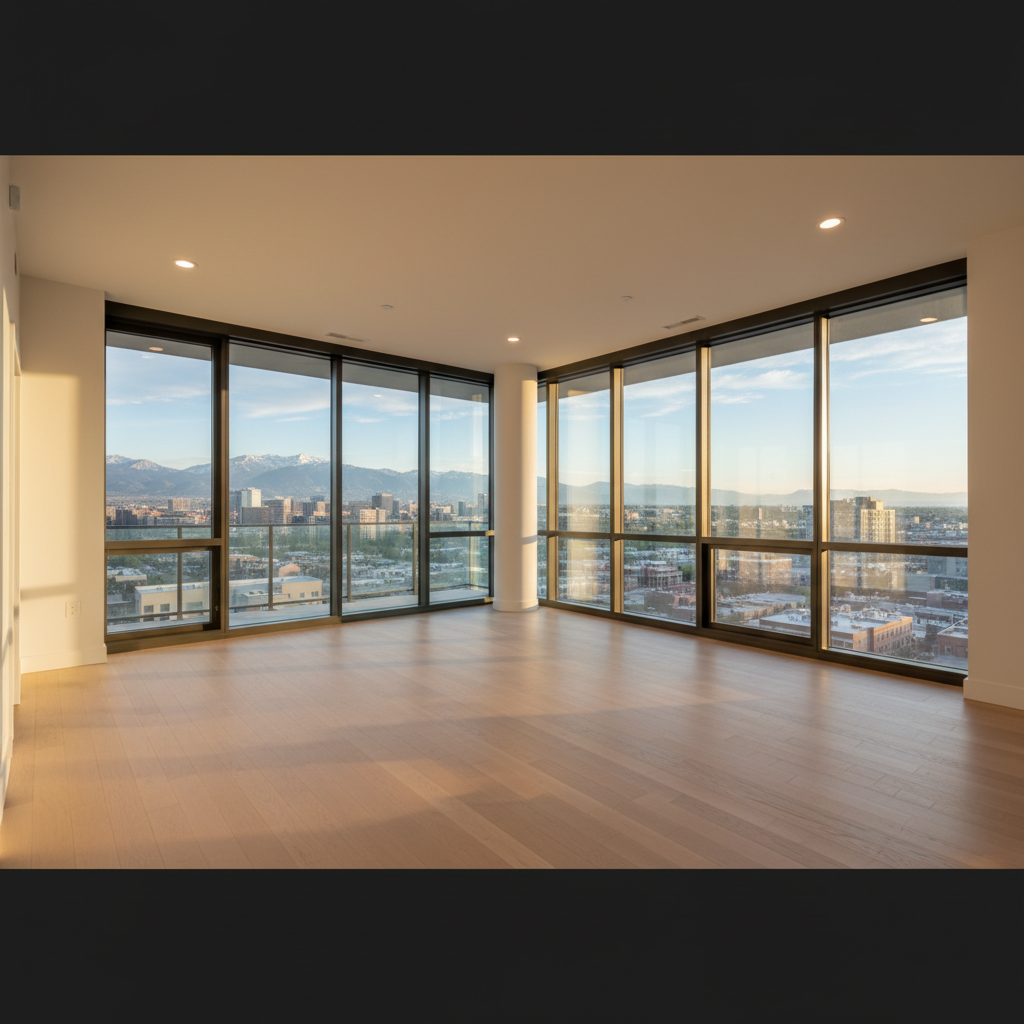
What we treat
- Residential marijuana smoke removal
- Short-term rental and Airbnb cannabis turnovers
- Vehicle, RV and boat cannabis odor removal
- Pre-listing cannabis odor resets for real estate
- Discreet, professional, on-time technicians
Service area
We serve homes and businesses within roughly 20 miles of our Denver facility, including Aurora, Lakewood, Arvada, Westminster, Thornton, Centennial, Englewood, Littleton, Highlands Ranch and Wheat Ridge.
See all service areasThe Chemistry of Cannabis Odor Persistence
The distinct and persistent odor associated with marijuana smoke and cannabis resin is primarily due to a complex mixture of terpenes, terpenoids, and various combustion byproducts. Terpenes are organic compounds responsible for the aromatic qualities of many plants, and cannabis contains a wide array, including myrcene, limonene, pinene, and caryophyllene. These molecules are relatively small and highly volatile, meaning they readily evaporate into the air, contributing to the immediate odor. However, they are also lipophilic (fat-loving) and readily adsorb onto porous materials such as drywall, fabrics, carpets, wood, and even non-porous surfaces like glass and painted walls, becoming embedded within their matrix. When cannabis is smoked, these terpenes, along with cannabinoids and other combustion products (e.g., polycyclic aromatic hydrocarbons, aldehydes, ketones), form microscopic, sticky residues. These residues deposit onto surfaces throughout an indoor space, creating a "third-hand smoke" effect. These embedded compounds then undergo a slow process of off-gassing, continuously releasing odor molecules into the interior air. The persistence is exacerbated by the fact that these molecules can be absorbed into the deeper layers of porous materials, making surface-level cleaning insufficient. The molecular structure of these compounds, particularly their high vapor pressure and tendency to condense on cooler surfaces, allows for their widespread distribution and deep penetration into building materials and furnishings. These factors collectively explain why cannabis odors can linger for extended periods, long after the source has been removed.
Why Standard Odor Removal Methods Fail for Cannabis Odor
Several common odor removal techniques are largely ineffective against entrenched cannabis odors due to the specific chemical nature of the contaminants. Air fresheners and deodorizers, whether sprays or plug-ins, operate by either masking odors with stronger scents or by temporarily dulling the sense of smell (olfactory fatigue). They do not chemically alter or physically remove the odor-causing molecules from surfaces. As a result, once the masking agent dissipates, the underlying cannabis odor quickly returns. Surface cleaning with household cleaners, even strong detergents, often only addresses the superficial layer of contamination. While some surface residues may be removed, the deeply absorbed terpenes and combustion byproducts within porous materials like drywall, upholstery, wood, or carpet fibers remain untouched. This partial removal leads to only a temporary reduction in odor, as the embedded molecules continue to off-gas. Painting over a contaminated surface without proper pre-treatment is also largely ineffective. While a fresh coat of paint may seal in some odor, volatile organic compounds can leach through or off-gas around the paint layer over time, especially if the underlying surfaces were not thoroughly cleaned and treated molecularly. Ozone generators are frequently promoted for odor removal, but their application for cannabis odor is problematic. Ozone (O3) is a powerful oxidant that can react with some odor molecules. However, to effectively neutralize a pervasive odor like cannabis smoke, ozone concentrations would need to be extremely high. The Environmental Protection Agency (EPA) explicitly states that ozone generators cannot be used in occupied spaces at concentrations high enough to be effective. High levels of ozone are respiratory irritants and can be harmful to humans, pets, and even damage materials like rubber and plastics. Furthermore, ozone often leaves behind its own distinct, pungent odor, and can create harmful byproducts when reacting with other compounds. For these reasons, we do not utilize ozone in our odor remediation processes.
Our Comprehensive Inspection Process for Cannabis Odor
Our initial inspection for cannabis odor is a detailed assessment designed to identify the extent and source of contamination. Jack Martin (IICRC-credentialed) personally conducts these inspections, leveraging over 42 years of experience in odor removal. The process begins with a thorough walkthrough of the affected property, paying close attention to visual cues such as discoloration on walls, ceilings, and surfaces, as well as the presence of resinous films. We use our sense of smell to map the intensity of the odor, noting areas where it is most concentrated, which often indicates higher levels of molecular deposition. Key areas of focus include porous materials, which are known reservoirs for smoke odors. These include carpets, carpet pads, upholstery, drapes, unsealed wood, drywall, and insulation. We examine HVAC systems, including air returns, ductwork, and furnace filters, as smoke particles and odor molecules can circulate and deposit throughout the entire ventilation system. Non-porous surfaces like glass, tile, and painted walls are also inspected, as they can harbor residual films. We utilize specialized UV lights to detect some organic residues not visible to the naked eye, although this is not a definitive test for all smoke compounds. During the inspection, we engage in a detailed discussion with the property owner or manager. We inquire about the duration and intensity of cannabis use, methods of consumption (e.g., smoking, vaping), frequency of use, and any previous attempts at odor removal. This information is crucial for formulating an accurate scope of work and tailoring the most effective treatment plan, taking into account the unique history of contamination in each space.
Our Science-Based Treatment Methodology
Our cannabis odor removal methodology is centered on the principles of molecular oxidation and physical removal, primarily utilizing chlorine dioxide (ClO2) vapor. The first step involves source removal and preparatory cleaning. This includes the removal of any visible cannabis plant material, paraphernalia, and heavily contaminated items. All accessible surfaces are thoroughly cleaned to remove loose dust, dirt, and any surface-level resinous films which provides a clean substrate for the ClO2 to work on. This cleaning phase often involves specialized degreasing agents to break down sticky residues, particularly in kitchens or heavily impacted areas. Following preparation, we introduce gaseous chlorine dioxide into the affected environment. ClO2 is a highly reactive oxidant that effectively neutralizes a wide spectrum of odor-causing molecules, including the terpenes and combustion byproducts associated with cannabis smoke. When ClO2 gas comes into contact with these molecules, it breaks them down through an oxidation reaction, transforming them into odorless, inert compounds. Unlike ozone, ClO2 does not leave a persistent, unpleasant odor, and its byproducts are generally considered benign (e.g., chlorides). The ClO2 gas is generated on-site, ensuring a consistent and controlled application. The property is sealed, and the ClO2 is allowed a specific dwell time to penetrate deeply into porous materials and react with embedded odor molecules. The exact dwell time is determined by the severity of the contamination and the specific properties of the structure, ranging from several hours to a full day. During and immediately following the treatment, the property is unoccupied. After the oxidation process is complete, the space is thoroughly ventilated using negative air machines and air movers to safely remove the remaining ClO2 gas and any residual byproducts. A final post-treatment verification is conducted, often involving a detailed walkthrough to confirm odor elimination.
Specialized Equipment for Effective Odor Remediation
To effectively address the complex nature of cannabis odor, we deploy a range of specialized equipment designed for precise application and verification of treatment. For the primary odor destruction, we utilize industrial-grade chlorine dioxide (ClO2) generation systems. These generators allow for precise control over the concentration and dispersion of ClO2 gas throughout the affected space. This enables us to achieve the necessary molecular oxidation without exceeding safety parameters and ensures deep penetration into porous materials like drywall, wood, and fabrics. In the preparatory and post-treatment phases, high-efficiency particulate air (HEPA) filtration units and negative air machines are crucial. HEPA vacuums are used for thorough cleaning of surfaces to remove physical residues before treatment. Negative air machines are deployed during and after treatment to control airflow, preventing cross-contamination to other areas and to facilitate the rapid and safe removal of ClO2 gas and any airborne particulates during the ventilation phase. These machines can also be equipped with carbon filters to adsorb remaining volatile compounds. Thermal foggers may be employed in specific scenarios, primarily for applying potent neutralizing agents to surfaces in conjunction with gas treatments, helping to break down heavy resin layers. Monitoring equipment is also vital. This includes hygrometers to measure humidity levels, as humidity can influence the kinetics of ClO2 reactions. Digital thermometers monitor ambient temperatures. While not directly measuring odor, these environmental sensors help optimize the conditions for the most effective ClO2 deployment. Post-treatment, we utilize calibrated portable odor meters, when appropriate, to objectively assess changes in air quality and confirm the reduction or elimination of detected volatile organic compounds, providing a quantitative measure alongside olfactory inspection.
Addressing Complex Scenarios in Cannabis Odor Removal
Some properties present unique challenges that require tailored approaches beyond standard treatment protocols. Heavily contaminated properties, often characterized by years of intense cannabis smoke exposure, demand more intensive preparation. This may involve multiple rounds of deep cleaning on all surfaces, including ceilings, walls, and hard flooring, to remove accumulated resinous films that can encapsulate odor molecules. In such cases, extending the dwell time for chlorine dioxide treatment or conducting multiple, spaced-out treatments may be necessary to ensure complete molecular breakdown. We also consider the history of air circulation, as contamination can migrate extensively throughout HVAC systems. For properties with sensitive occupants, such as those with respiratory conditions or young children, our protocols prioritize thorough post-treatment ventilation and verification. While ClO2 rapidly dissipates, we ensure the air is cleared to below detectable levels, and we can provide air quality verification before re-occupancy. This often means longer ventilation periods and potentially additional air scrubbing with activated carbon filters. Historic homes or properties with high-value assets (e.g., antique furniture, artwork, delicate textiles) require careful assessment. While ClO2 is generally safe for most common building materials, its interaction with specific, rare, or untreated materials needs consideration. In these situations, specific items may require individualized cleaning or protection during the gas treatment, or alternative, localized treatments may be recommended to avoid any potential impact on sensitive surfaces or finishes. Our comprehensive inspection helps identify these special cases early to develop a customized plan.
Treatment Timeline and Expected Re-Entry
The timeline for effective cannabis odor removal involves several distinct phases, each with specific requirements for property access. The initial on-site work typically spans one to two days, depending on the size of the property and the severity of the contamination. This phase includes the thorough preparatory cleaning of all affected surfaces and the deployment of our specialized ClO2 generation equipment. Following the preparation, the property enters the treatment phase, where the chlorine dioxide gas is introduced. During this period, the property must remain unoccupied. The dwell time for ClO2 application typically ranges from 8 to 24 hours. The precise duration is determined by the extent of the odor, the materials present, and the atmospheric conditions within the sealed space. It is crucial that no humans or pets are present during this active treatment period due to the reactive nature of ClO2. After the active treatment, a ventilation phase begins. This involves thoroughly airing out the property, often utilizing negative air machines and high-volume air movers, to rapidly and safely remove any residual ClO2 gas and byproducts. This ventilation period usually lasts a minimum of 4 to 8 hours, but can extend longer to ensure the indoor environment is completely clear and safe for re-occupancy. We conduct a final olfactory assessment and, if necessary, use detection equipment to confirm that ClO2 levels are below occupational exposure limits before advising re-entry. In most cases, occupants can safely return within 24 to 48 hours after the start of the treatment process, once ventilation is complete and verification is performed.
When Replacement is the More Effective Solution
While our advanced chlorine dioxide treatment is highly effective for molecular odor removal, there are specific situations where the odor-causing contamination is so deeply embedded or structurally compromised that replacement of materials becomes the more practical and cost-effective solution. This decision is made on a case-by-case basis during our inspection. Carpet and carpet padding are frequent candidates for replacement. Their dense, porous fibers can absorb and trap significant amounts of cannabis smoke compounds, leading to deep saturation that even gaseous treatments may struggle to penetrate entirely. If the odor persists in these materials after initial cleaning and treatment, or if visual damage is substantial, removal and replacement are recommended. Similarly, certain types of insulation, particularly those in attics or walls that have been heavily exposed to smoke via HVAC systems or direct infiltration, can become saturated reservoirs for odors. Because insulation is often difficult to access and treat thoroughly, replacement is often necessary. Heavily contaminated HVAC filters should always be replaced as they accumulate smoke particulates and odor molecules. In severe cases, extensive duct cleaning or even replacement of ductwork may be warranted if internal surfaces have extensive, ingrained deposits. Drywall, particularly in areas of extremely heavy smoke exposure (e.g., a dedicated smoking room), can sometimes become deeply permeated. While our methods can often treat drywall effectively, if the contamination goes beyond surface layers and into the gypsum core, or if the drywall itself shows significant deterioration, removing and replacing sections may be the most reliable path to complete odor elimination. We provide transparent recommendations, balancing the efficacy of treatment with the long-term integrity and cost implications for the property owner.
Denver Metro Area Considerations for Odor Remediation
While the fundamental chemistry of odor removal remains consistent, specific environmental factors in the Denver metro area (including Denver, Aurora, Lakewood, Littleton, Centennial, Parker, Arvada, Westminster, Thornton, Broomfield, Golden, Englewood, Wheat Ridge, Highlands Ranch, Cherry Hills Village, Cherry Creek, Wash Park, LoDo, RiNo) can influence our treatment strategies. The higher altitude of Denver, typically around 5,280 feet above sea level, means lower atmospheric pressure. This can subtly affect the diffusion rates of gaseous treatments like chlorine dioxide, potentially requiring minor adjustments to dwell times to ensure optimal penetration into materials. However, our equipment and protocols are calibrated for various atmospheric conditions to maintain effectiveness. The Denver area experiences a generally dry climate, particularly during the winter months. Low humidity can, in some cases, slow down certain chemical reactions. While ClO2 reactions are effective in dry conditions, maintaining a moderate ambient humidity (often achieved through controlled environmental settings or pre-misting during prep) can sometimes enhance molecular reactivity. Our team monitors indoor climate conditions during treatment setup. Additionally, Denver's distinct climate often means homes are more tightly sealed during heating and cooling seasons, which can exacerbate odor entrapment. This emphasizes the importance of thorough ventilation post-treatment, especially during transitional seasons. Wildfire smoke, an increasing concern in the Western US, can also introduce its own odor profile and particulate matter into homes. While distinct from cannabis odor, co-occurring smoke events can necessitate a comprehensive approach to address multiple sources of atmospheric contamination. Our focus remains on the specific cannabis odor molecules, but the overall indoor air quality context is always considered within the broader environmental conditions unique to the region.
Post-Treatment Verification and Assurance
Our commitment to effective odor removal extends beyond the application of treatment. Following the necessary ventilation period, we conduct a final, comprehensive verification process to ensure the complete elimination of detectable cannabis odors. Jack Martin personally performs the post-treatment inspection, relying on his extensive experience in olfactory assessment. This involves a meticulous walkthrough of the entire treated area, including all rooms, closets, and common spaces, to confirm the absence of any lingering cannabis scent. In some instances, particularly for extremely heavy contamination or sensitive clients, we may utilize specialized air quality monitoring equipment to assess for residual volatile organic compounds (VOCs), which can be indicators of remaining odor molecules. This provides an objective data point to complement our sensory evaluation. We encourage property owners or managers to also perform their own walkthrough to ensure their satisfaction with the results. Our goal is to provide a clean, odor-free environment. If, after our initial treatment and verification, any cannabis odor is still detected within a reasonable timeframe, we will re-evaluate the premises and implement further targeted treatments as necessary. Our objective is always to achieve satisfactory odor elimination through scientifically sound methods and diligent application, ensuring peace of mind for property owners and occupants alike. This steadfast approach reflects our understanding that the complete removal of embedded odors is critical for property value, occupant comfort, and tenant satisfaction.
Frequently asked questions
What is the primary substance causing persistent marijuana odor?+
The persistent odor from marijuana smoke and cannabis resin is primarily caused by a complex cocktail of terpenes and other volatile organic compounds (VOCs). These compounds are sticky and readily adhere to porous materials like carpet, drywall, upholstery, and wood. They then slowly off-gas into the air over time, creating a lingering smell that is difficult to remove without molecular treatment. The combustion byproducts also contribute to the overall odor profile.
Can simply airing out a property remove cannabis smoke odor?+
Airing out a property by opening windows and using fans can temporarily reduce the intensity of light cannabis odors by diluting airborne molecules. However, it does not remove the odor-causing compounds that have adsorbed onto surfaces and penetrated porous materials. Once windows are closed, the embedded molecules will continue to off-gas, and the odor will return. This method is insufficient for entrenched odors.
Why do air fresheners and essential oils not work for marijuana odor?+
Air fresheners and essential oils work by masking odors with stronger, often more pleasant, fragrances or by temporarily fatiguing the olfactory senses. They do not chemically break down or physically remove the odor-causing molecules from surfaces. As soon as the masking agent dissipates, the underlying cannabis odor, which is still present in the materials, becomes noticeable again. It is a temporary cover-up, not a remediation.
Is repainting enough to get rid of the smell?+
Repainting alone is generally not sufficient to eliminate entrenched cannabis odor. While a fresh coat of paint might temporarily seal in some surface-level odors, the volatile organic compounds can often leach through or off-gas around the new paint over time, especially if the underlying surfaces were not properly cleaned and treated at a molecular level. For effective removal, the odor molecules themselves must be neutralized before painting.
Can ozone generators effectively remove cannabis odor without harm?+
No, ozone generators are often ineffective and can be harmful. To break down pervasive cannabis odors, ozone concentrations would need to be very high, levels which are harmful to humans, pets, and can damage materials. The EPA advises against using ozone generators in occupied spaces due to health risks. Furthermore, ozone can leave its own distinct odor and may produce harmful byproducts, so we do not use them.
What is chlorine dioxide (ClO2), and how does it work for cannabis odor?+
Chlorine dioxide (ClO2) is a powerful oxidizing gas that we utilize for cannabis odor removal. It works by chemically reacting with odor-causing molecules, including the terpenes and combustion byproducts in cannabis smoke. This oxidation process breaks down these molecules into non-odorous, inert compounds, thereby neutralizing the smell at a molecular level. It penetrates deeply into porous materials where odors are trapped.
Do I need to remove all personal belongings before treatment?+
Yes, we recommend removing all personal belongings, especially clothing, linens, and any items that are porous and could have absorbed significant smoke odor. This allows for comprehensive treatment of all surfaces. While ClO2 is generally safe for most common materials, it is always best to clear spaces to allow for maximum penetration and to protect delicate items. Our inspection will confirm specific recommendations.
How long does the chlorine dioxide treatment take, and when can I re-enter?+
The on-site work, including preparation and treatment, typically takes one to two days. The active chlorine dioxide gas treatment, during which the property must be unoccupied, usually lasts 8 to 24 hours. Following treatment, a thorough ventilation period of 4 to 8 hours is required to clear the air. In most cases, occupants can safely re-enter the property within 24 to 48 hours after the start of the treatment process, once verification is complete.
Will cannabis odor removal affect my pets?+
Your pets must be removed from the property before treatment begins and must not re-enter until the ventilation process is complete and the air quality has been verified as safe. Chlorine dioxide gas, while highly effective for odor neutralization, is not safe for inhalation by pets or humans during active treatment. We ensure the environment is safe before advising re-entry for any occupants, including animals.
When is it necessary to replace items rather than treat them for cannabis odor?+
Replacement is sometimes necessary for items like heavily saturated carpet and carpet padding, certain types of insulation, and excessively contaminated HVAC filters or ductwork. These materials can become so deeply permeated with odor molecules that molecular treatment alone may not be entirely effective or cost-efficient. Our inspection will assess the extent of saturation and recommend replacement only when it is the most reliable long-term solution.
IICRC-credentialed. 42+ years of odor removal experience. Thousands of completed odor removal projects across the Denver metro.
Reviewed and updated: .
Related in Smoke, Fire & Cooking Odors
Remove the cannabis smell
Honest quote, fast scheduling, fully guaranteed work.
- 100% Satisfaction Guarantee
- Eco-friendly, non-toxic, pet and kid safe
- Same-day response on most requests