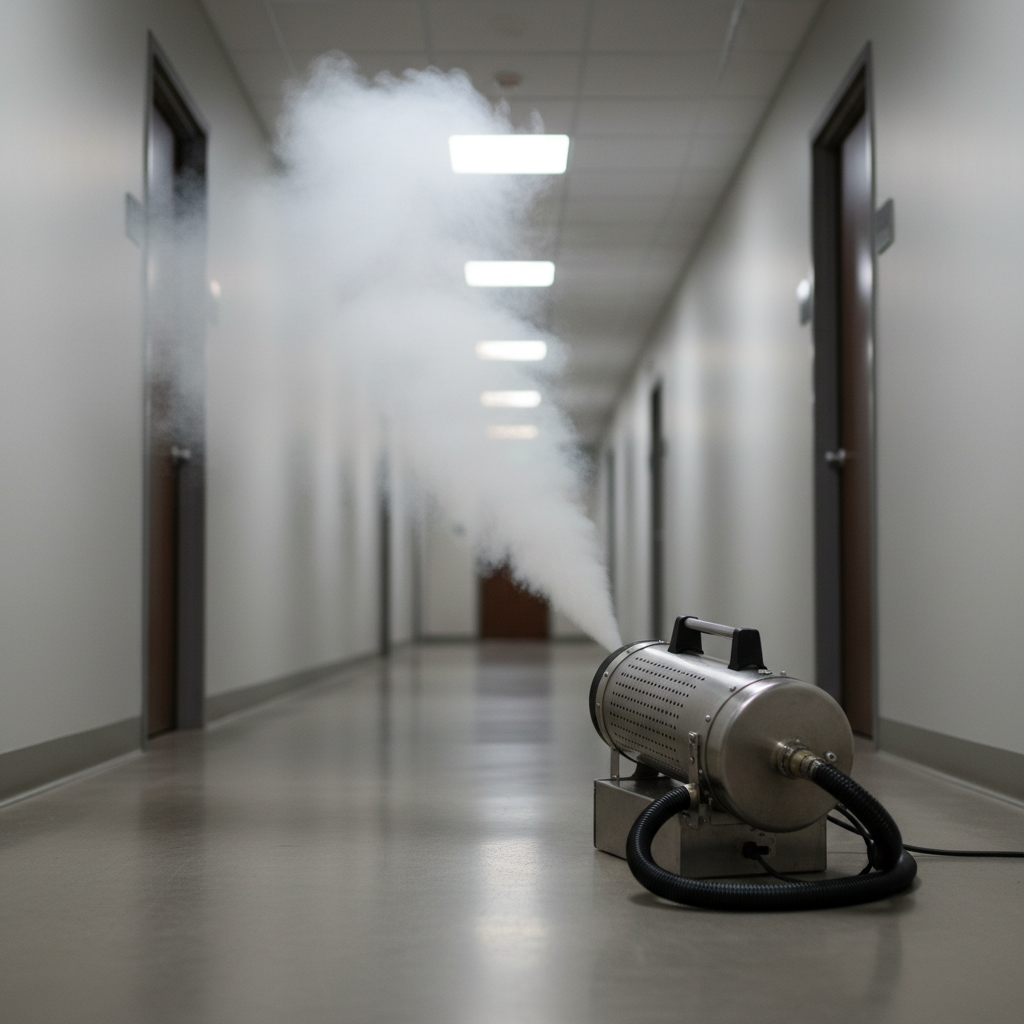
Why Ozone Generators Are a Bad Idea for Home Odor Removal
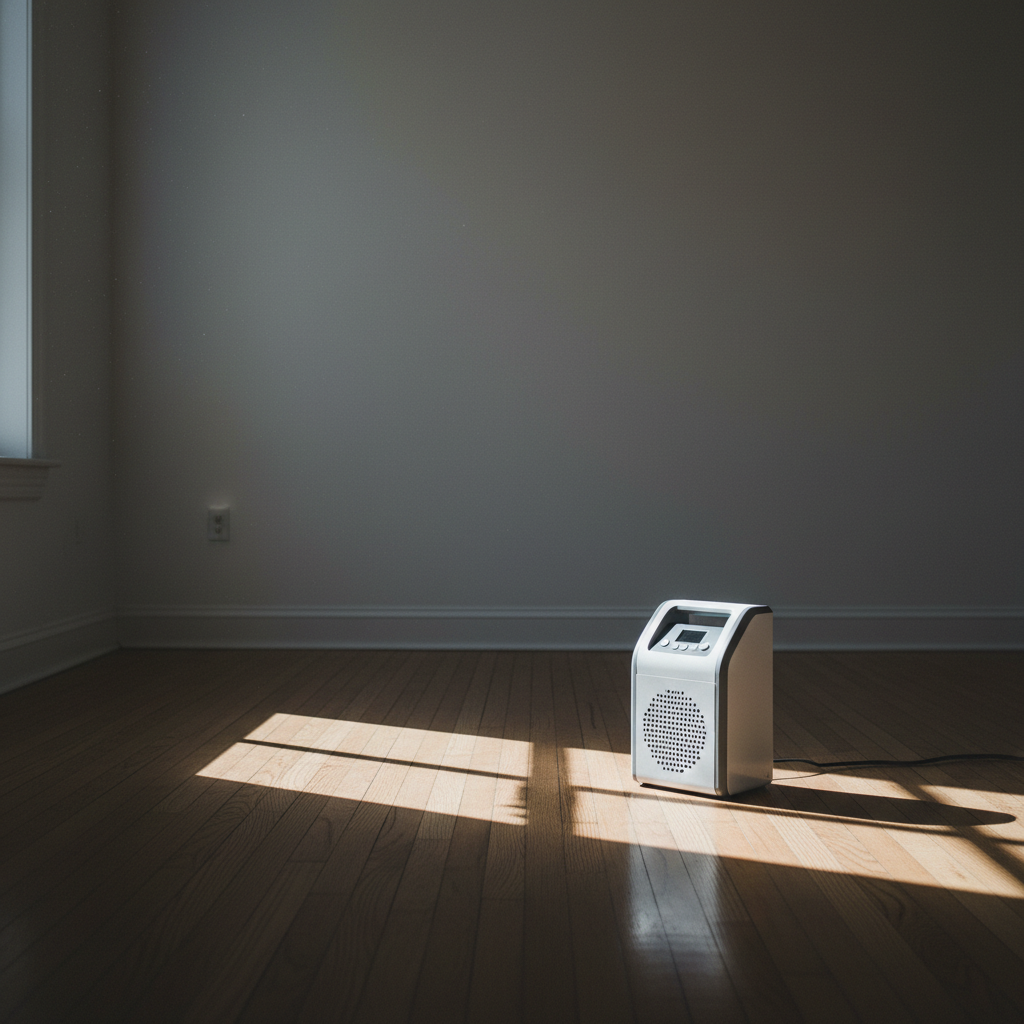
Why Ozone Generators Are a Bad Idea for Home Odor Removal
If you are dealing with a persistent odor in your Denver home, you have likely encountered ads for ozone generators. These machines are often marketed as a "miracle cure" for everything from cigarette smoke to pet urine. In the Colorado Front Range, where our high altitude and dry climate can sometimes trapped indoor pollutants, the promise of a "clean air" machine is incredibly enticing. However, ozone generators are not the safe, effective solution many retailers claim they are. In fact, they can be dangerous to your health, damaging to your property, and often leave behind a metallic chemical smell that is harder to remove than the original odor. At Stink Stompers Denver, we believe in using science-backed, safe alternatives like chlorine dioxide and bio-enzymatic treatments. Understanding why ozone fails is the first step in ensuring your home remains a safe environment for your family and pets.
The Science of Ozone and Why It Fails
Ozone is a gas molecule composed of three oxygen atoms. While the ozone layer in the upper atmosphere protects us from ultraviolet radiation, ground level ozone is a highly reactive pollutant. When an ozone generator is running, it creates O3 by using high voltage electricity to split oxygen molecules in the air. The theory sold by manufacturers is that the extra oxygen atom will break away and attach itself to odor molecules, "oxidizing" them into nothingness.
The reality is far more complex and hazardous. According to the EPA: Ozone Generators Sold as Air Cleaners, many of the chemicals found in indoor environments do not react with ozone at all. For those that do react, the process can take months of continuous exposure to be effective, which is well beyond the safety limits for human habitation. More importantly, when ozone does react with common indoor materials like carpet padding or rubber, it creates harmful secondary pollutants like formaldehyde and ultrafine particulates.
The Problem with Masking vs. Neutralizing
Ozone is often praised because it imparts a "fresh" smell, similar to the air after a thunderstorm. This is an illusion. The smell of ozone is actually the smell of a toxic gas. It does not necessarily mean the odor-causing bacteria or molecules are gone. Instead, ozone works by desensitizing your sense of smell. It numbs your olfactory nerves so you can no longer detect the smoke or pet urine, even though the contaminants remain embedded in your drywall and flooring.
Serious Health Risks for Denver Residents
Living at 5,280 feet already puts occasional stress on the respiratory system due to thinner air. Introducing a known lung irritant like ozone into a Denver home can exacerbate these issues. The American Lung Association Ozone reports provide extensive data on how this gas inflames the airways and can cause permanent lung damage.
Respiratory Inflammation
When you breathe in ozone, it chemically reacts with the biological lining of your lungs. This causes inflammation similar to a sunburn on the inside of your chest. Symptoms include coughing, throat irritation, shortness of breath, and chest pain. For the many Coloradans who suffer from asthma or seasonal allergies, ozone exposure can trigger severe attacks that require medical intervention.
Long-Term Occupational Concerns
The dangers of ozone are so well documented that several government agencies have strictly regulated its use. The CDC NIOSH Ozone guidelines highlight the potential for chronic respiratory disease following repeated exposure. Furthermore, the OSHA Ozone Exposure Limits are set at very low levels to protect workers. If a machine is powerful enough to remove a heavy cigarette odor, it is producing levels of gas far exceeding what is considered safe for human or animal occupancy.
Physical Damage to Your Home and Belongings
Beyond the health risks, ozone is physically destructive. Because it is a powerful oxidizer, it does not discriminate between a smoke molecule and the materials that make up your home. In the dry Colorado climate, materials are already prone to becoming brittle. Ozone accelerates the aging and degradation of almost everything it touches.
Rubber and Plastic Degradation
If you have ever seen an old rubber band crack and crumble, you have seen oxidation in action. Ozone causes "ozone cracking" in natural and synthetic rubbers. This means the gaskets in your refrigerator, the seals in your windows, and the elastic in your clothing can be permanently damaged by a single "shock treatment."
Electronics and Wiring
Ozone is highly corrosive to metals. Modern electronics, including smart home systems and high-end kitchen appliances common in Denver's modern renovations, are filled with delicate copper components. Ozone exposure can cause premature failure of circuit boards and wiring, leading to expensive repairs that far outweigh the cost of professional odor remediation.
Carpet and Upholstery
Ozone can cause significant fading in carpets and upholstery. It breaks down the chemical bonds in dyes, leading to "sun bleaching" effects even in rooms with no windows. Furthermore, the foam padding under your carpet is often made of materials that release toxic VOCs when they interact with ozone gas.
Why California and Other Experts Ban Ozone
The risks associated with these machines are so high that some states have taken direct legal action. The California Air Resources Board Ozone regulations effectively ban the sale of ozone generators for use in occupied spaces. They recognize that there is no such thing as a "safe" amount of ozone in a residential setting if the goal is odor removal.
In Colorado, we see many homeowners purchasing these machines online, unaware that they are essentially bringing an industrial pollutant into their living rooms. Unlike regulated professional services, consumer-grade ozone machines often lack timers or self-shutoff features, leading to dangerous over-exposure scenarios where the gas seeps into neighboring townhomes or apartment units.
The Stink Stompers Alternative: Chlorine Dioxide (ClO2)
At Stink Stompers Denver, Jack and our team use a completely different chemistry called Vapor System Chlorine Dioxide (ClO2). While the names sound similar, chlorine dioxide and ozone are night and day in terms of safety and efficacy.
How ClO2 Differs from Ozone
Chlorine dioxide is a selective oxidizer. It specifically targets sulfur and nitrogen compounds, which are the primary building blocks of bad smells like pet urine, tobacco, and decaying organic matter. Unlike ozone, ClO2 does not react with the inert materials in your home like rubber or plastic. It is also a much more effective biocide, meaning it kills the bacteria and fungal spores that cause smells at their source rather than just masking them.
No Toxic Residue
One of the biggest problems with ozone is the "shroud" it leaves behind, a lingering chemical scent that can last for weeks. Our ClO2 process breaks down into harmless salts and water vapor. There are no carcinogens, no lingering fragrances, and no hazardous "ozone smell." We provide a true "Reset" of your indoor air quality.
Bio-Enzymatic Treatment for Biological Odors
For odors rooted in organic matter, such as pet accidents in a Highlands ranch basement or food spills in a LoDo high-rise, we utilize advanced bio-enzymatic cleaners. Ozone cannot reach deep into the subfloor or the center of a carpet pad to stop a smell; it only treats the surface.
Our bio-enzymatic solutions contain living, beneficial dry bacteria that produce enzymes. These enzymes "eat" the organic waste, turning it into water and carbon dioxide. This process is completely safe for children and pets. When combined with our vapor treatment, it ensures the odor is gone permanently because the food source for the bad bacteria has been completely eliminated.
The Denver Climate Factor
Denver's unique climate influences how odors behave. Our low humidity can cause organic materials to dry out and "lock in" smells, while our high altitude can affect how gases expand and move through a home's ventilation system. Ozone generators are particularly unpredictable at high altitudes. The way the arc or plate creates ozone can vary based on air density, making it nearly impossible for a homeowner to gauge if they are using a "safe" amount.
Professional remediation takes these factors into account. We understand how the "stack effect" in multi-story Denver homes can pull odors (and remediation gases) from the basement up into the bedrooms. Our targeted approach ensures that the treatment stays where it is needed and performs its job without risking the structural integrity of your property.
Frequently Asked Questions
Is it safe to use a small ozone generator if I am not in the room? Even if you are not in the room, ozone can seep through doorways, HVAC vents, and floorboards into other parts of the house. Furthermore, the ozone continues to react with your furniture and carpets, creating secondary pollutants like formaldehyde that will linger long after the machine is turned off and you have returned to the room.
Why do some professional companies still use ozone? Ozone machines are cheap to buy and require almost no training to operate. It is an "old school" method that many companies stick to because they havent invested in modern, safer technologies. However, the risk of property damage and the potential health liabilities have led the most reputable odor removal specialists to transition to ClO2 and enzymatic processes.
Will ozone kill mold and mildew in my basement? While ozone is a disinfectant, it is very poor at penetrating porous surfaces like drywall, wood, or concrete where mold roots usually live. It might kill the surface spores, but the mold will return quickly. Additionally, the high concentrations of ozone required to kill mold are extremely dangerous and can cause significant structural damage to the home's infrastructure.
How long does a professional ClO2 treatment take compared to ozone? Ozone treatments often require 24 to 72 hours of continuous run time to be even slightly effective against tough smells like tobacco. Because chlorine dioxide is a much more powerful and efficient oxidizer, our Stink Stompers process usually takes just a few hours to complete, allowing you to return to a safe, odor-free home on the same day.
Get a Denver Odor Reset
If you are struggling with stubborn smells in your home, don't risk your health or your property with a dangerous ozone generator. Choose the expert path that is safe for your family and permanent in its results. Jack and the team at Stink Stompers Denver are ready to help you reclaim your space using our proprietary, non-toxic ClO2 and bio-enzymatic system. We serve the entire Denver metro area and the Front Range with professional, friendly service that solves the problem at its molecular source. Call us today at 720-791-3001 or visit our /contact page to schedule your free odor inspection. Reach out and let us help you breathe easy again.