Why Air Fresheners Make Odor Problems Worse
Why Air Fresheners Make Odor Problems Worse
When we walk into a home in neighborhoods like Cherry Creek or Highlands Ranch and smell a heavy cloud of "Linen Fresh" or "Midnight Lavender," our expert team at Stink Stompers Denver knows exactly what is happening. The homeowner is likely trying to hide a deeper issue. Whether it is lingering cigarette smoke, pet urine, or a musty basement smell caused by Colorado's occasional heavy snowmelt, the instinct is often to reach for a spray, a plug-in, or a candle. However, these products do not actually solve the problem. In fact, they frequently make the indoor environment significantly more toxic while making the original odor harder to eliminate.
The fundamental issue with air fresheners is that they are designed as masking agents. They do not neutralize the molecules causing the smell. Instead, they overwhelm your olfactory senses with synthetic chemicals. At our high altitude in Denver, where indoor air can become stagnant during cold winters or smoky wildfire seasons, adding more pollutants to your home is the last thing you should do. At Stink Stompers Denver, Jack and the team focus on true remediation using chlorine dioxide (ClO2) and bio-enzymatic processes that break down odors at the molecular level, rather than layering perfumes on top of filth.
The Chemistry of Masking vs. Neutralizing
To understand why air fresheners are counterproductive, you have to understand the chemistry of a smell. Odors are caused by volatile organic compounds (VOCs) that break off from a source, such as mold, bacteria, or smoke, and float through the air into your nose. When you use a standard retail air freshener, you are not removing those VOCs. You are simply adding a massive load of new, often more dangerous, chemicals into the air.
The Illusion of Cleanliness
Most people associate "clean" with a specific scent like lemon or pine. Real cleanliness actually has no smell at all. When you spray an aerosol, you are creating a chemical soup. The perfume molecules are designed to be "stickier" and more pungent than the odor molecules, effectively "masking" the unpleasant scent. In reality, the urine or smoke molecules are still there, clinging to your drywall, upholstery, and carpets. Once the synthetic fragrance evaporates, the original smell returns, often smelling worse because it has now mingled with the chemical residue of the air freshener.
The Problem with Aerosols and Plug-ins
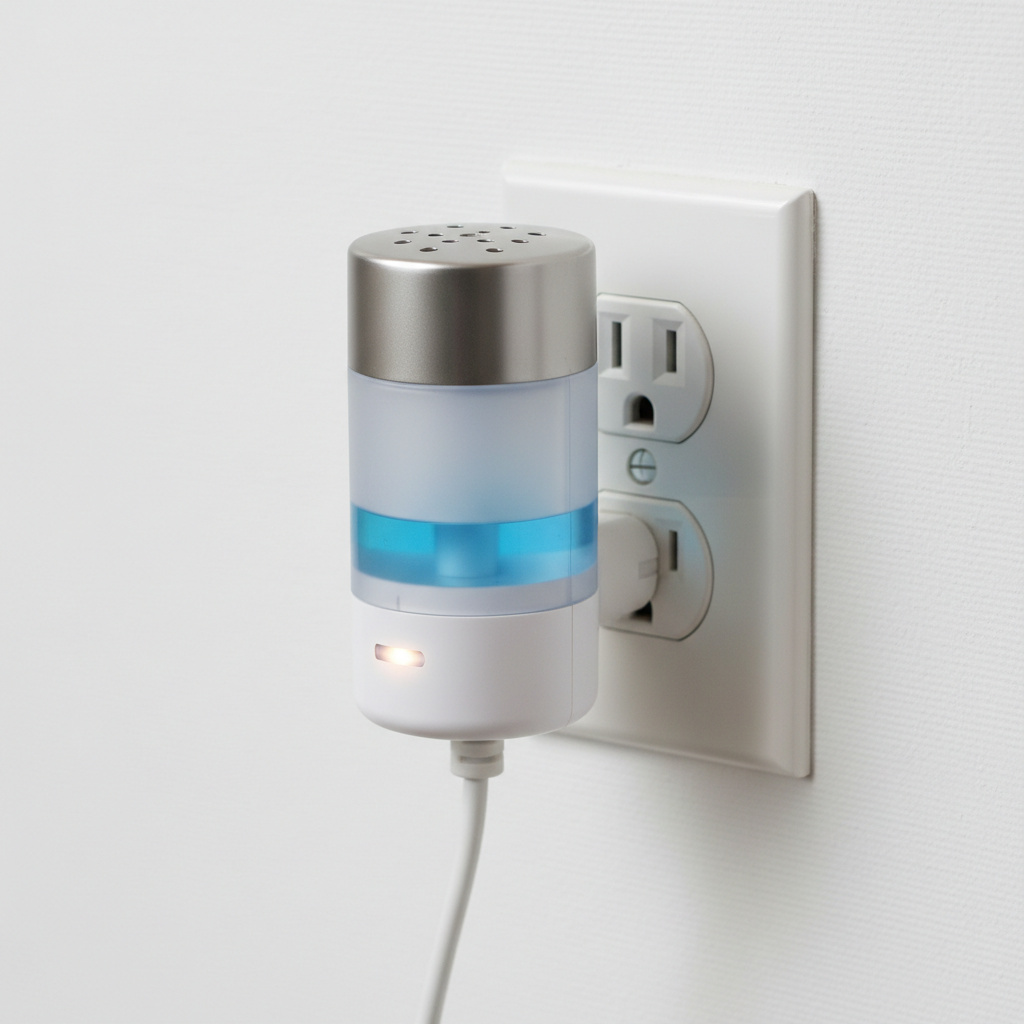
Plug-in air fresheners are particularly problematic because they provide a continuous release of chemicals. These devices use heat to evaporate oils and synthetic fragrances into the air 24 hours a day. In the sealed, energy-efficient homes common in the Denver metro area, these chemicals have nowhere to go. They build up in the air you breathe, settling into fabrics and creating a sticky film that can actually trap dust and other allergens.
The Physical Health Impact of Synthetic Fragrances
Beyond the fact that they don't work, air fresheners pose legitimate health risks. Many of the ingredients used in these products are classified as Volatile Organic Compounds. According to the EPA VOCs guidelines, these substances can cause a range of health issues, from eye, nose, and throat irritation to more severe long-term effects. In a city like Denver, where we already deal with outdoor ozone and pollution during the summer months, maintaining clean air inside the home is vital for respiratory health.
Understanding VOCs in the Home
VOCs are gases that are emitted from certain solids or liquids. While some are natural, most found in household cleaners and air fresheners are synthetic. The American Lung Association VOCs resources explain that many of these compounds are known to cause headaches and dizziness. For individuals in Colorado who already suffer from asthma or seasonal allergies, the introduction of "scented" products can trigger severe respiratory distress or allergic reactions.
Hidden Toxins and Phthalates
One of the most concerning aspects of air fresheners is what is not listed on the label. Because fragrance formulas are often protected as trade secrets, companies do not have to disclose every ingredient. Research from the NRDC Air Fresheners study found that a high percentage of these products contain phthalates. Phthalates are chemicals used to make fragrances last longer, but they are also known endocrine disruptors that can interfere with hormone production and reproductive health. Utilizing these in a closed environment, like a basement in Arvada or a condo in LoDo, creates a toxic microclimate for your family and pets.
Why "Fragrance-Free" is Necessary for Odor Remediation
At Stink Stompers Denver, one of our core philosophies is that we never use fragrances to mask smells. If a professional odor company offers you a "scented" treatment, they are likely just doing what you could do with a store-bought spray. Our goal is a total "Odor Reset." This is especially important for sensitive groups. The CDC NIOSH VOCs database highlights how chemical exposures in the workplace and home can lead to chronic health issues, which is why we utilize ClO2 technology.
The Science of Chlorine Dioxide (ClO2)
Chlorine dioxide is a powerful oxidizing agent. Unlike ozone, which can leave behind harmful byproducts and take days to dissipate, ClO2 is a gas that physically seeks out odor-causing molecules. When the gas makes contact with a bacteria or smoke molecule, it breaks the chemical bonds of that molecule. This process, called oxidation, changes the molecular structure of the odor so that it no longer exists. It doesn't hide the smell; it deletes it. This is the only way to truly clean the air in a home that has suffered from heavy tobacco use or a "crazy cat" situation.
Bio-Enzymatic Solutions for Organic Waste
For pet odors, specifically urine in carpets or subfloors, ClO2 is often paired with our bio-enzymatic treatments. Enzymes are specialized proteins that "eat" organic matter. In our arid Colorado climate, urine can dry out and crystallize, staying dormant for months until a humid day or a carpet cleaning triggers a massive release of ammonia smells. Our enzymes rehydrate and consume these crystals, removing the food source for odor-causing bacteria. No air freshener can ever achieve this level of deep cleaning.
Environmental and Home Safety
We are all becoming more conscious of the products we bring into our homes. Organizations like the EWG provide databases that score household products based on their toxicity. Most common air fresheners receive very poor scores due to their reliance on synthetic musks and petroleum-based solvents. When you use these products, you are coating your home in a thin layer of chemical film.
Protecting Your Surfaces
Air freshener residues can actually damage surfaces over time. The oils in plug-ins can discolor paint and wallpaper. Large amounts of aerosol sprays can leave a sticky residue on hardwood floors and leather furniture. In the Front Range, where we deal with significant dust, these residues turn into magnets for dirt. By choosing a professional remediation service, you avoid the buildup of these "masking agents" and protect the longevity of your home's interior finishes.
Safe for Pets and Children
Pets have a much more sensitive sense of smell than humans. Imagine being trapped in a room with a scent that is ten times stronger than what you can handle. That is what a plug-in air freshener feels like to a dog or cat. Furthermore, because pets and toddlers spend more time close to the floor where chemical vapors settle, they are at a higher risk for exposure. Our ClO2 and enzymatic processes are designed to leave the home safe and neutral, providing a healthy environment for every member of the family.
The Failure of Ozone as an Alternative
A common mistake many property managers and homeowners in Denver make is reaching for an ozone machine. While ozone is an oxidizer, it is much less stable and potentially more dangerous than chlorine dioxide. Ozone can react with the very chemicals found in air fresheners and carpets to create formaldehyde and other ultra-fine particulates. It also has a distinct, lingering metallic smell that many find as offensive as the original odor. At Stink Stompers Denver, we avoid ozone entirely, choosing the cleaner, faster, and more effective ClO2 gas method that reaches intoทุก corner and crevice without damaging electronics or rubber components.
When to Call a Professional
If you find yourself buying a new air freshener every week, you don't have a "scent" problem; you have a source problem. Whether it is a rental property in Aurora that smells like stale cigarettes or a new home in Boulder with a lingering "mystery smell" from the previous owners, professional intervention is the only way to find permanent relief.
We serve the entire Denver Front Range, providing a scientific approach to air quality. We don't just spray and pray. We analyze the source, treat it with the right chemical process, and ensure that when we leave, your home smells like nothing at all. Which, as any expert will tell you, is exactly what a healthy home should smell like.
Frequently Asked Questions
Are natural soy candles better than air freshener sprays?
While soy candles may be cleaner-burning than paraffin, any combustion in the home releases particulates. Furthermore, if the candle is scented with synthetic oils, it still contributes to the VOC load without removing the underlying odor source. They are safer for the environment but equally ineffective at odor remediation.
Why does the smell return after I use a deodorizing spray?
Most sprays use cyclodextrin or similar molecules to temporarily trap odors, or they simply numb your nose. Once the spray dries or the chemical dissipates, the original source (like bacteria or mold) continues to release gas, and the smell returns. You must neutralize the source to stop the smell.
Is chlorine dioxide the same as bleach?
No. While they share "chlorine" in the name, they are chemically very different. Bleach (sodium hypochlorite) creates harmful byproducts and can damage surfaces. Chlorine dioxide is a gas that is a much more selective oxidizer, meaning it is more effective at killing odors and pathogens without being as corrosive to your home's interior.
How long does a professional odor removal take?
Most treatments in the Denver area take between 4 and 12 hours depending on the severity of the odor and the size of the home. Because we use ClO2 gas, the property must be vacated during treatment, but it is safe to return shortly after the process is complete and the home has been aired out.
Get a Denver Odor Reset
Stop wasting money on temporary fixes that pollute your indoor air and put your family's health at risk. If you are dealing with persistent smells from pets, smoke, cooking, or mold in your Denver area home or business, it is time for a professional solution. Jack and the team at Stink Stompers Denver are ready to help you reclaim your space with our non-masking, eco-friendly ClO2 technology. Give us a call today at 720-791-3001 or visit our /contact page to schedule an inspection and get a free quote. We serve the entire Denver metro area and the Front Range with expert, fragrance-free odor removal services.