Restaurant Grease Odor Removal for Commercial Spaces
Restaurant Grease Odor Removal for Commercial Spaces
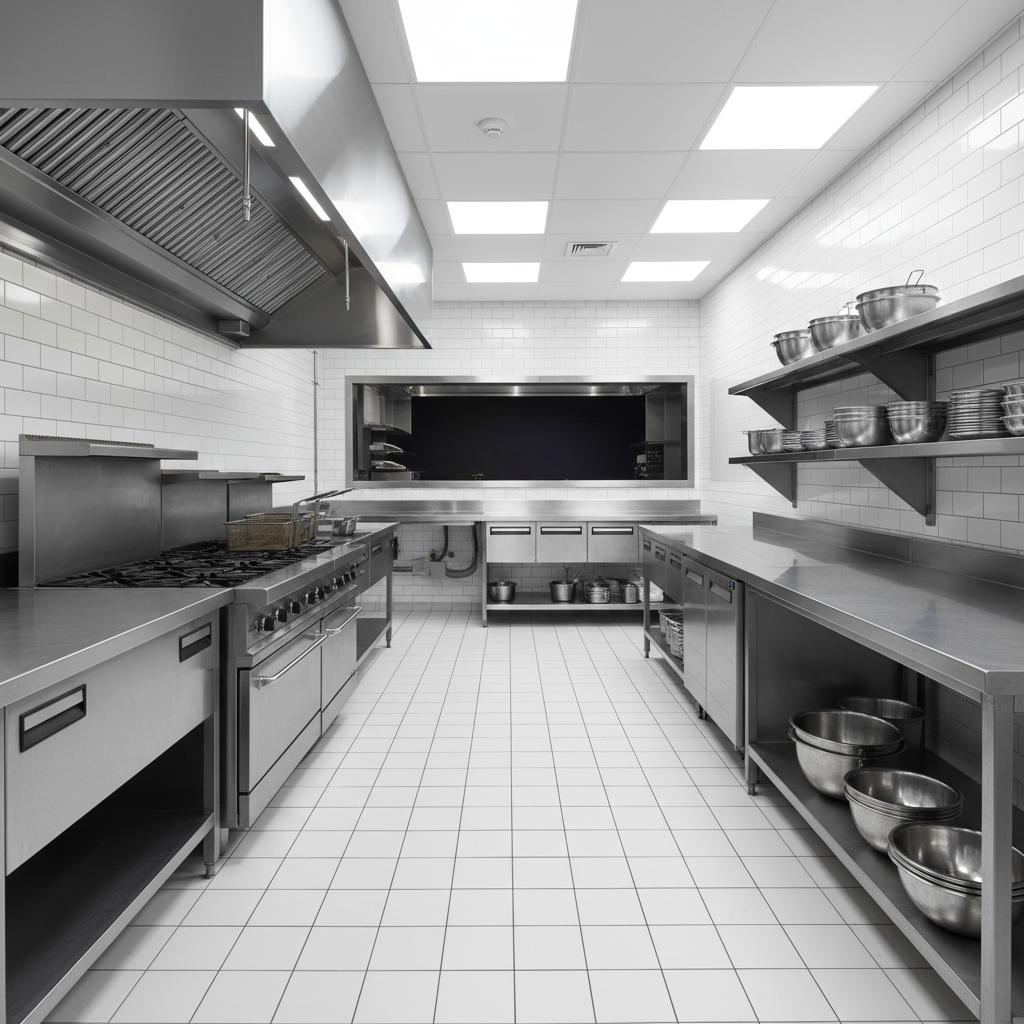
When a restaurant space goes dark, the lingering scent of old fryer oil and decayed organic matter begins to settle into every square inch of the building. For property managers and commercial real estate agents in Denver, a persistent grease odor is one of the most significant barriers to signing a new tenant. It suggests a lack of cleanliness and creates a negative first impression that no amount of cosmetic paint can fully hide. The challenge with hospitality spaces is that grease does not just sit on the surface. It aerosolizes during cooking, traveling through the ventilation system and embedding itself into ceiling tiles, drywall, and even concrete flooring. In the dry, high-altitude climate of the Colorado Front Range, these odors can become baked into the building structure, requiring more than just a standard janitorial cleaning. Stink Stompers Denver specializes in the complete molecular breakdown of these odors using advanced chlorine dioxide (ClO2) technology and bio-enzymatic treatments to ensure your commercial space is ready for its next lease.
The Science of Stubborn Kitchen Odors
Grease odors are unique because they are composed of complex lipids and organic compounds that undergo oxidation over time. As grease sits, it becomes rancid, releasing volatile organic compounds (VOCs) that the human nose perceives as a sour or heavy "old food" smell. In a commercial kitchen environment, these molecules are often bound to dust and soot, creating a sticky film that coats surfaces out of reach, such as the tops of walk-in coolers or the interior of drop ceilings.
Standard cleaning agents often fail because they only address the surface layer of the grease. To truly deodorize a commercial space, you must address the odor at a molecular level. This is where the chemistry of chlorine dioxide becomes essential. Unlike ozone, which can be corrosive to metal and rubber components in expensive kitchen equipment, ClO2 is a selective oxidant. It seeks out the sulfur and nitrogen compounds found in decaying organic matter and breaks their chemical bonds, effectively "unmaking" the odor rather than covering it up with a temporary perfume or fragrance.
Navigating Regulatory Standards and Kitchen Safety
When preparing a commercial kitchen for a new tenant, it is vital to understand the regulatory framework that governs these spaces. The FDA Food Code provides the baseline for structural cleanliness and sanitation requirements. If a space smells like old grease, it is a red flag to health inspectors that organic buildup exists in areas that have been neglected.
Beyond the smell, grease accumulation is a major fire hazard. The NFPA 96 standard outlines the requirements for ventilation control and fire protection in commercial cooking operations. A professional odor remediation process often reveals that the source of the smell is actually inside the ductwork or behind the hood filters. Ensuring these systems are cleaned to NFPA standards is a prerequisite for any deodorization project. Furthermore, maintaining a clean and odor-free environment is part of providing a safe workplace for future employees, a concept supported by OSHA Restaurants guidelines which emphasize the importance of indoor air quality and sanitation in the hospitality sector.
The Role of Bio-Enzymatic Cleaners in Grease Remediation
While ClO2 gas is the heavy hitter for airborne and porous surface odors, bio-enzymatic liquids are the secret weapon for floor drains and porous masonry. In many Denver restaurants, especially those in historic buildings in neighborhoods like LoDo or Capitol Hill, grease has seeped into the grout lines and the subfloor over decades of operation.
Bio-enzymatic cleaners contain living bacteria cultures that produce enzymes specifically designed to digest fats, oils, and greases (FOG). When these solutions are applied to a commerical kitchen floor or poured into floor drains, the enzymes go to work breaking down the solid grease into water and carbon dioxide. This biological process is far more effective than caustic chemicals because the enzymes can travel deep into the cracks of the floor where traditional mops cannot reach. By removing the food source for odor-causing bacteria, we ensure that the grease smell does not return as soon as the weather gets humid or the building's heating system kicks on in the winter.
Common Areas Where Grease Odors Hide
To effectively clear a restaurant of its previous identity, you must look beyond the stainless steel prep tables. Here are the most common areas where grease odors hide in Denver commercial properties:
Suspended Ceiling Tiles
Acoustic ceiling tiles are essentially giant sponges. In a kitchen environment, they soak up aerosolized grease for years. Often, the only way to eliminate the smell in the front-of-house area is to replace these tiles and then treat the plenum space above them with a ClO2 gas reset to neutralize any drifted odors.
HVAC Vents and Return Air Grills
The ventilation system is the circulatory system of the building. If a restaurant didn't have a perfectly balanced makeup air system, grease-laden air likely got pulled into the general HVAC returns. This results in the "ghost of burgers past" being blown into the dining room every time the air conditioner turns on. We recommend working with professionals certified by IKECA Kitchen Exhaust to clean the ducts before we perform our final gaseous deodorization.
Floor Drains and P-Traps
If a kitchen has been sitting vacant for several months, the water in the P-traps may have evaporated. This allows sewer gases to mix with the smell of rotting grease trapped in the drain lines. A combination of flushing the lines and applying specialized enzymes is required to seal off these odors at the source.
Preparing the Space for a New Tenant
For a property owner, the goal is "neutral." You want a blank canvas that a new chef or restaurateur can envision their own concept in. According to data and resources from the National Restaurant Association, the physical environment is one of the top factors in operational success and staff retention. A clean-smelling building allows a new tenant to focus their budget on branding and equipment rather than remediation.
The Stink Stompers Denver process begins with a thorough assessment of the property. Jack and the team look for "hot spots" where grease has pooled. After a deep mechanical cleaning is performed by your janitorial crew, we step in to handle the molecular deodorization. Our ClO2 system is a dry vapor process, meaning we can treat the entire volume of the space without over-wetting surfaces or damaging electronics and POS systems. This is particularly important in Colorado, where we want to avoid adding unnecessary moisture to building materials that could lead to secondary issues like mold once the space is sealed up.
Why Ozone and Masking Agents Fail
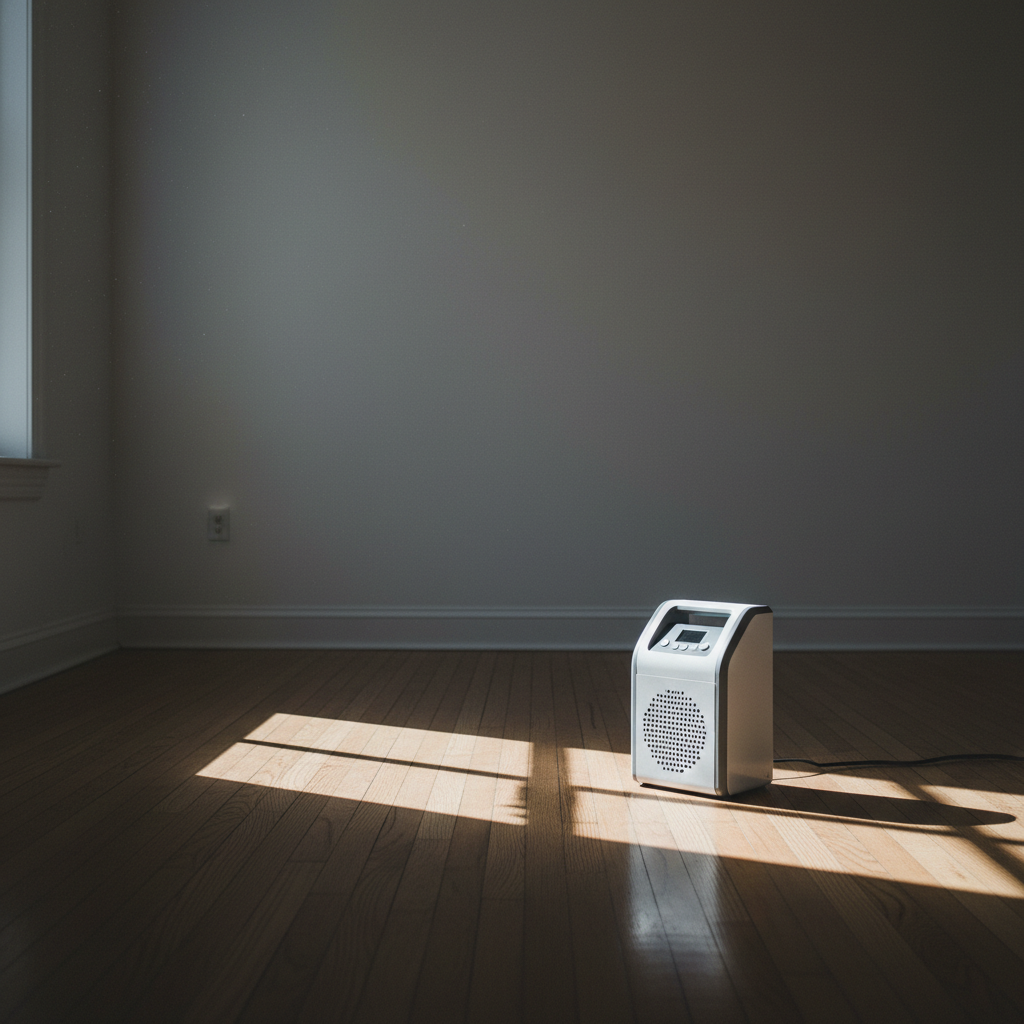
Many restoration companies still rely on ozone machines to handle restaurant odors. However, ozone has several drawbacks in a commercial kitchen setting. First, ozone is a non-selective oxidant, meaning it can attack the rubber gaskets on walk-in coolers and the wiring insulation in kitchen equipment, potentially causing thousands of dollars in damage. Second, ozone often leaves behind a distinct "electrical" smell that can be just as off-putting as the grease itself.
Masking agents and scented "bombs" are even worse. These products simply coat the nose's receptors or attempt to overwhelm the grease smell with a stronger floral or citrus scent. In a commercial space, this results in a nauseating "lemon-flavored grease" aroma that signals to prospective tenants that the landlord is trying to hide a problem. Stink Stompers Denver never uses masking agents. Our goal is a scientifically clean, neutral environment where the air smells like nothing at all.
Specialized Solutions for Denver's Unique Climate
The climate in Denver and the surrounding Front Range presents specific challenges for odor removal. Our low humidity can cause grease to harden into a varnish-like substance that is incredibly difficult to remove. Conversely, on those rare humid days or during the spring thaw, odors that seemed dormant suddenly reactivate as moisture enters the air.
Furthermore, the high altitude affects how gases behave. At 5,280 feet, there is less atmospheric pressure, which can influence the dispersion of deodorizing vapors. Our ClO2 technology is calibrated for these conditions, ensuring that the gas penetrates deep into the pores of the drywall and concrete. Whether you are managing a high-turnover fast-casual spot in RiNo or a larger industrial commissary in Aurora, the Denver environment requires a localized expertise that national franchises often lack.
Frequently Asked Questions
How long does the restaurant grease odor removal process take? Most commercial deodorization projects can be completed in 12 to 24 hours. This includes the setup of our ClO2 vapor system, the treatment period, and the subsequent aeration of the building. We work around your schedule to ensure zero downtime for contractors or leasing agents who need access to the property.
Is the chlorine dioxide process safe for kitchen equipment? Yes, unlike ozone, ClO2 is safe for use around stainless steel, rubber gaskets, and electronic components when used at the correct concentrations for odor removal. It is a widely used technology in the food processing industry for sanitization, making it ideal for restaurant environments.
Do we need to clean the kitchen before Stink Stompers arrives? Yes, for the best results, all visible grease and organic debris should be removed through a deep mechanical cleaning. Our process is designed to eliminate the microscopic odor molecules that remain in the air and embedded in surfaces. Think of it as the final, necessary step after the heavy scrubbing is done.
Can you remove odors from items left behind, like furniture or old booths? While our vapor can penetrate soft surfaces like upholstery and curtains, if those items are saturated with years of grease, the most cost-effective and permanent solution is often disposal. However, for high-value booths or acoustic panels, our treatment can significantly reduce or eliminate lingering smells.
Get a Denver Odor Reset
If you have a commercial kitchen or restaurant space in the Denver metro area that is stuck on the market due to unappealing odors, it is time for a professional reset. Jack and the team at Stink Stompers Denver specialize in the permanent removal of grease, smoke, and organic odors using science-based solutions that go beyond the surface. We serve the entire Front Range, providing a neutral, fresh start for your commercial investment. Call us today at 720-791-3001 or visit our /contact page to schedule an onsite consultation and get your property lease-ready.