Chlorine Dioxide vs Ozone for Odor Removal
Chlorine Dioxide vs Ozone for Odor Removal
When you walk into a home in Denver or a business along the Front Range and a powerful, unpleasant smell hits you, the immediate goal is total eradication. Whether it is the stale stench of cigarette smoke, the lingering musk of an old pet, or the pungent aroma of spicy cooking oils, these odors are more than just a nuisance. They are chemical compounds trapped in the porous surfaces of your drywall, flooring, and upholstery. Over the years, two primary technologies have dominated the professional odor remediation market: Ozone and Chlorine Dioxide (ClO2). While both claim to sterilize and deodorize, they are fundamentally different in their chemistry, safety profiles, and long term effects on your property. At Stink Stompers Denver, we focus on the science of ClO2 because it provides a superior clean without the destructive side effects of ozone. Understanding the molecular differences between these two gasses is essential for any homeowner or property manager looking to perform a permanent odor reset.
The Chemistry of Oxidation and Odor Destruction
To understand why one method is better than the other, we have to look at how they work on a molecular level. Both Ozone (O3) and Chlorine Dioxide (ClO2) are oxidizers. Oxidation is a chemical process where a substance loses electrons. When an oxidizer comes into contact with an odor molecule, it breaks the chemical bonds holding that molecule together. This changes the molecular structure of the odor, effectively "killing" the smell because the molecule no longer exists in its original form.
However, not all oxidizers are created equal. Ozone is an unstable gas made of three oxygen atoms. It is highly reactive and non selective. This means it will attack anything it touches, including the odor molecules, but also your carpet fibers, rubber gaskets, and electronic components. On the other hand, Chlorine Dioxide is a "selective" oxidizer. It has a high capacity for oxidation but a lower oxidation potential than ozone. This allows it to target specific organic compounds like proteins and amino acids found in odors and pathogens without being as corrosive to the building materials themselves. You can find detailed scientific breakdowns of these interactions in various NIH PubMed ClO2 Studies which highlight its efficacy in neutralizing complex organic odors.
The Problem with Ozone Generators
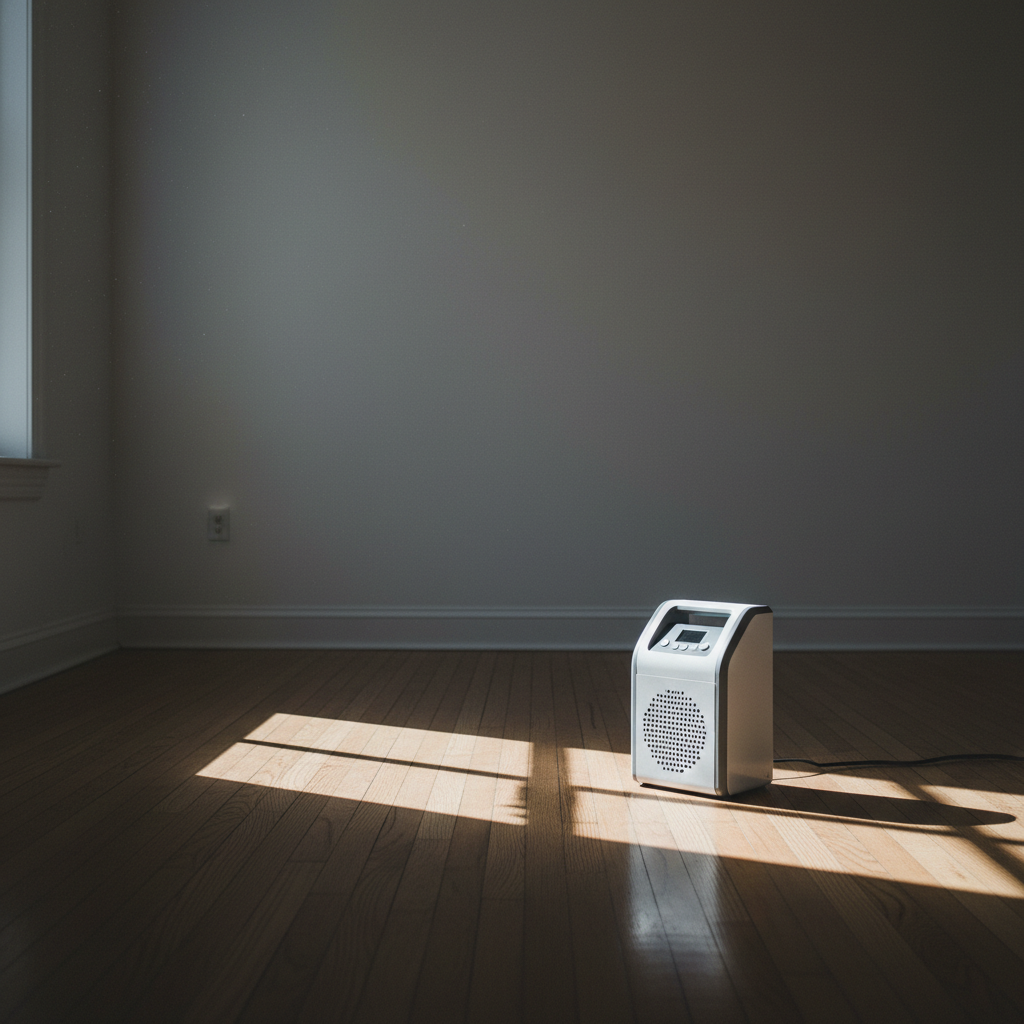
For decades, ozone generators were the industry standard for odor removal. You might see them used in hotel rooms or by restoration companies after a fire. Despite their popularity, they come with significant drawbacks, particularly in the dry, high altitude climate of Colorado. Ozone is a known respiratory irritant. The EPA Ozone Generators fact sheet warns that ozone can react with common indoor chemicals to produce harmful byproducts like formaldehyde.
Material Degradation and Rubber Rot
One of the most common complaints about ozone is its tendency to damage property. Because ozone is so aggressive, it breaks down "polymers." In a typical Denver home, this includes the elastic in your carpet padding, the rubber seals in your refrigerator, and the insulation on electrical wiring. Repeated or long term ozone treatments can leave a house smelling like "burnt electronics" or "sour ozone," which is often worse than the original odor.
Incomplete Odor Removal
Ozone is a relatively large molecule. It struggles to penetrate deep into porous materials like subflooring or thick drywall. In many cases, ozone simply masks the odor or treats only the surface. A week after the treatment is finished and the ozone has dissipated, the smell often "off gasses" from deep within the materials and returns. This leads to a cycle of repeated treatments that further damage the home.
Why Chlorine Dioxide is the Superior Choice
Chlorine Dioxide (ClO2) is often confused with chlorine bleach, but they are entirely different chemicals. ClO2 is a gas that is soluble in water, and it does not produce the harmful chlorinated byproducts that bleach does. In fact, it is widely used for municipal water treatment and food processing because of its safety and effectiveness.
Deep Penetration at the Molecular Level
ClO2 is a much smaller molecule than ozone. This allows it to penetrate deep into the microscopic pores of wood, concrete, and fabric. In the arid climate of the Denver metro area, materials can become very dry and brittle, making them even more susceptible to holding onto odors. ClO2 moves through these materials like a vapor, seeking out the sulfur and nitrogen compounds that make up most foul smells. The EPA ClO2 Information documentation provides a glimpse into how this gas is utilized for large scale disinfection and its role as a powerful antimicrobial agent.
Safety and Residue
Unlike ozone, which can leave behind a lingering chemical scent for days, ClO2 breaks down into harmless salts and oxygen. It does not leave a toxic residue on your furniture or countertops. However, because it is a powerful gas, it must be handled by professionals like Jack and the team at Stink Stompers Denver. The CDC Chlorine Dioxide guidelines outline the safety parameters for workers, ensuring that while the gas is active, the environment is controlled and then safely vented before humans or pets return.
High Altitude and Indoor Air Quality in Colorado
Living at 5,280 feet affects more than just your breathing during a hike. It affects how gasses behave inside your home. In Denver, the air is thinner and typically much drier than at sea level. This lack of humidity can make certain odors, like pet urine or tobacco smoke, bind more tightly to surfaces.
Ventilation and ASHRAE Standards
When performing an odor reset, we must consider the air exchange rates within a building. We look to the ASHRAE Standard 62.1 which provides guidance on acceptable indoor air quality. Our process ensures that after the ClO2 gas has done its job of destroying the odor molecules, the home is ventilated to meet or exceed these air quality standards. High altitude means we must be even more precise with our concentrations and dwell times to ensure total eradication of the scent without wasting resources.
The Stink Stompers Bio-Enzymatic Support
In addition to ClO2 gas, we often utilize bio-enzymatic processes. While the gas handles the airborne and surface-level odors, enzymes are used to digest the physical source of the smell, such as pet urine trapped in a subfloor. Ozone cannot do this. Ozone can only oxidize what the gas touches. Our dual-factor approach ensures that both the "vapor" of the smell and the "source" of the smell are eliminated.
Comparing the Practical Application
When you hire a professional for odor removal, you are paying for results and the protection of your investment. Let’s look at how a typical service day differs between these two technologies.
The Ozone Timeline
Ozone often requires 24 to 72 hours of continuous running to be effective against heavy odors like tobacco smoke. During this time, the high concentration of O3 is actively eating away at your belongings. Even after the machine is turned off, the "ozone smell" can linger for days, making it difficult for sensitive individuals or those with asthma to remain in the home.
The Stink Stompers ClO2 Timeline
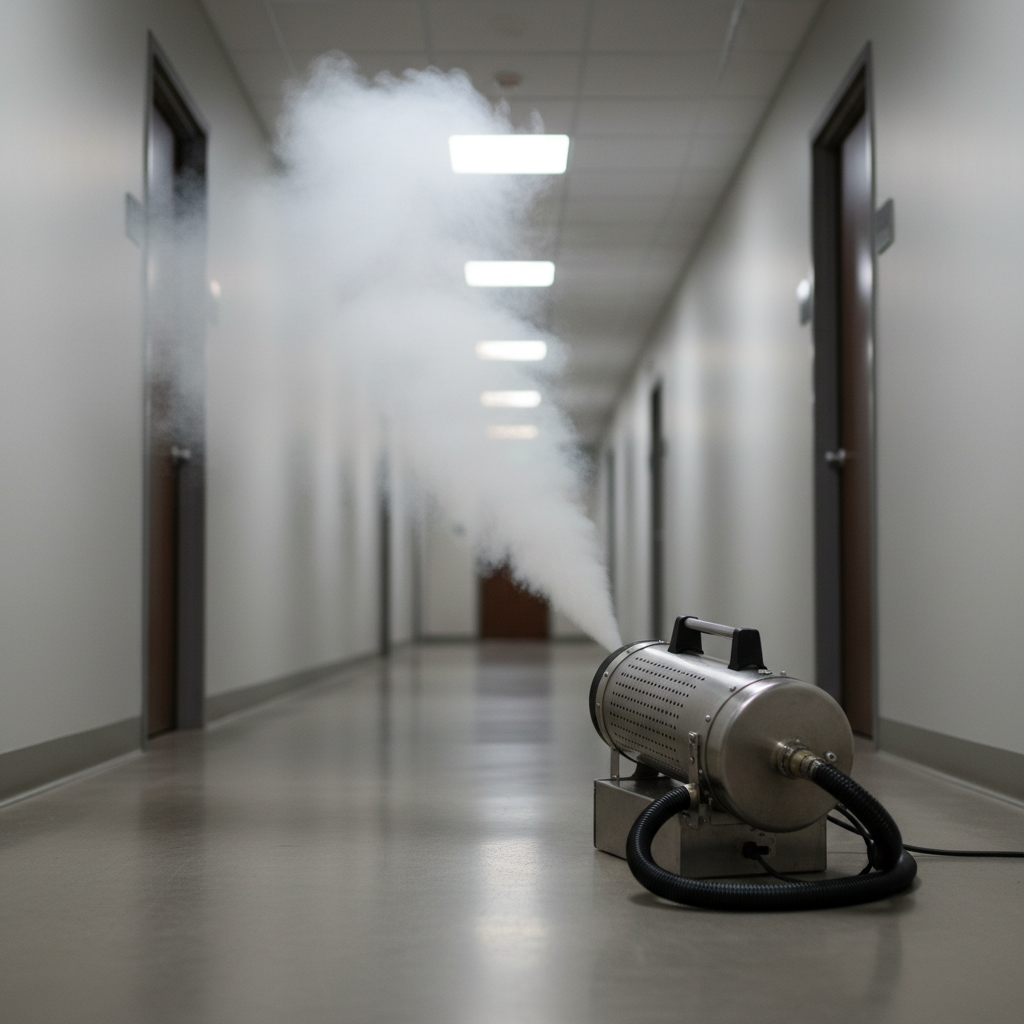
Our Chlorine Dioxide vapor resets are generally much faster. Depending on the severity of the odor in your Denver area home, the active gassing phase might only take a few hours. Because ClO2 is more efficient at targeting the specific chemistry of the odor, we don't need to saturate the house for days on end. Once we vent the property, you are left with a neutral, clean environment. There are no heavy perfumes or "masking agents" used. If it doesn't smell like anything, we have done our job correctly.
Common Odors We Tackle in Denver
The Front Range presents a unique set of odor challenges. From the "old house smell" in historic Highlands homes to the lingering scents of legalized substances in modern apartments, our ClO2 process is versatile.
- Tobacco and Marijuana Smoke: Smoke particles are tiny and sticky. They coat every square inch of a room. ClO2 gas reaches behind cabinets and inside light fixtures where hand-cleaning cannot go.
- Pet Urine and Dander: High altitude dryness can make urine salts crystallize and become extremely pungent. Our enzymatic treatments break down the crystals, while the ClO2 kills the odor-producing bacteria.
- Cooking Spices: Curries and heavy oils can permeate drywall. We specialize in removing these stubborn food-based odors that typical cleaning sprays only hide.
- Musty Basements: Many Denver basements suffer from lack of airflow. We can reset the air quality and eliminate that damp, earth-like smell professionally.
Frequently Asked Questions
Is Chlorine Dioxide safe for my family and pets? Yes, when applied by professionals. We require that people, pets, and plants are removed from the property during the "active gas" phase. Once the treatment is complete and we have ventilated the space, the gas breaks down into simple salts and water vapor, leaving no harmful residues behind. It is much safer for your home's interior than ozone, which can create toxic formaldehyde byproducts.
How is ClO2 different from using bleach? Chlorine bleach (sodium hypochlorite) works through chlorination, which can create harmful trihalomethanes. Chlorine Dioxide works through oxidation. It does not contain the same harsh "chlorine" smell once the process is finished, and it does not bleach your carpets or fabrics when used in its gaseous form at the correct concentrations.
Can I just buy an ozone machine and do it myself? You can, but it is risky. Most consumer-grade ozone machines are either too weak to work or so unregulated that they can damage your lungs and your property. Without professional training, you risk "rubber rot" and the creation of secondary pollutants. Our professional ClO2 system is more effective and protects the longevity of your home's structural components.
How long does the odor removal process take? Most of our treatments in the Denver metro area are completed in a single day. A typical session involves a few hours of preparation and gas dwell time, followed by a thorough ventilation period. You can usually return to your home the same evening to a completely neutral-smelling environment.
Get a Denver Odor Reset
If you are dealing with a property that just won't smell fresh, stop trying to mask the problem with candles or store-bought sprays. These only add more chemicals to your indoor air without fixing the root cause. At Stink Stompers Denver, Jack and his team use the most advanced Chlorine Dioxide technology and bio-enzymatic cleaners to provide a permanent solution. We serve the entire Denver metro area and the Front Range with a commitment to safety and science. Whether you are a Realtor trying to sell a "stinky" listing or a homeowner who wants to breathe easy again, we are here to help. Call us today at 720-791-3001 or visit our /contact page to schedule your professional odor inspection. Don't settle for ozone damage when you can have a professional ClO2 reset.