Removing Musty Basement Smell at Altitude in Denver
Removing Musty Basement Smell at Altitude in Denver
Living in the Mile High City offers breathtaking mountain views and a unique semi-arid climate, but it also presents specific challenges for homeowners with basements. Many residents in neighborhoods from Washington Park to Highlands Ranch assume that because Colorado is dry, a musty basement smell is just a normal part of life. However, that damp, earthy, or "old book" scent is actually a warning sign of biological activity. In Denver, the combination of high altitude, fluctuating seasonal humidity, and specific soil types creates a perfect storm for localized moisture pockets. These pockets allow mold and bacteria to thrive even when the outdoor air feels parched. Removing a musty basement smell requires more than just a candle or a spray. It requires a deep understanding of atmospheric pressure, temperature differentials, and high-performance odor remediation technology like chlorine dioxide (ClO2).
The Unique Science of Denver Basements and High Altitude
Denver sits at 5,280 feet above sea level, which affects how air and moisture behave inside your home. Lower atmospheric pressure means that air exerts less weight on surfaces, and the boiling point of water is lower. More importantly, the temperature differential between a cool basement and the warm Colorado sun can lead to condensation on foundation walls.
Temperature Differentials and Condensation
Even in a drought, Denver basements can experience condensation. During a hot July day in Capitol Hill or Cherry Creek, the outdoor air can reach 95 degrees. If that air enters a basement cooled to 65 degrees by the surrounding earth, the moisture in the air reaches its dew point and clings to the concrete walls or floor joists. This localized moisture is enough to trigger the growth of microbes that produce microbial volatile organic compounds (mVOCs). These gases are what we perceive as that "musty" smell.
Soil Expansion and Foundation Health
Colorado is known for expansive bentonite clay soils. When it rains or when snow melts rapidly in the spring, the soil expands and puts immense pressure on foundation walls. This can create hairline fractures that allow moisture vapor to seep into finished basements. According to the CDPHE Mold guidelines, managing moisture is the most critical step in preventing indoor air quality issues. If your Denver home has a crawl space or a partially finished basement, the interaction between the soil and your living space is a primary driver of odor issues.
Identifying the Source of the Musty Odor
Before you can effectively treat a smell, you must identify where it is coming from. A musty smell is rarely just "air." It is usually the result of active mold, mildew, or bacteria feeding on organic material such as wood, drywall paper, or carpet fibers.
Active Mold Growth
Mold is the most common culprit for basement odors. According to the EPA Mold Basics documentation, mold can grow on virtually any organic substance as long as moisture and oxygen are present. In Denver, this often happens behind the drywall of finished basements where homeowners cannot see it. If you have had a past sump pump failure or a slow leak from a window well during a summer rainstorm, mold may be thriving in the wall cavity.
Biofilms and Bacteria
It is not just mold that causes smells. Bacteria can form biofilms on cool, damp surfaces like concrete floors or water heater closets. Bacteria also release gases during their life cycle. These smells are often sharper or more "sour" than the heavy, earthy smell of mold. Professional remediation focuses on neutralizing both the fungal and bacterial components of the odor.
Forgotten Spills and Pet Accidents
In the drier climate of the Front Range, liquids evaporate quickly, but the solids they leave behind do not go away. Old pet accidents in a basement carpet can lie dormant for months until the humidity rises above 50 percent. At that point, the urea crystals in the carpet re-hydrate and begin to off-gas. This creates a cycle where the basement smells fine in the winter but becomes unbearable during the humid days of August.
Why Traditional Cleaning Methods Often Fail
Many Denver homeowners try to tackle musty smells with store bought solutions, but these often fall short for various reasons.
The Problem with Fragrance Masking
Plugins, sprays, and scented oils do not remove odor molecules. They simply overwhelm your olfactory senses with a stronger scent. This is problematic because the underlying cause of the odor (mold or bacteria) continues to grow. Masking an odor is like painting over rust. Eventually, the problem will break through the surface, and the combination of floral scents and musty mold is often worse than the original smell.
The Limitations of Ozone
For years, ozone machines were the standard for odor removal. However, ozone has significant drawbacks. It is a powerful lung irritant and can react with synthetic materials in your home (like carpet padding or rubber) to create new, toxic chemicals. Furthermore, ozone is an unstable molecule that often fails to penetrate deeply into porous materials like wooden floor joists or concrete pores. In the high altitude of Denver, the thin air can even affect the efficiency of ozone generation.
Why Bleach Is Not the Answer
Many people reach for bleach to kill mold on porous surfaces. However, as noted by the CDC Basic Facts About Mold, bleach is mostly water. On a porous surface like wood or drywall, the chlorine stays on the surface while the water soaks in, potentially feeding the very mold you are trying to kill.
The Stink Stompers Denver Approach: Chlorine Dioxide (ClO2)
At Stink Stompers Denver, we utilize a sophisticated gas-phase chlorine dioxide treatment that is fundamentally different from bleach or ozone. Jack and our team have perfected a process that addresses the specific atmospheric conditions of Colorado.
Science of the ClO2 Molecule
Chlorine dioxide is a selective oxidant. It does not create harmful byproducts like some other cleaners. Because it is a gas, it can penetrate where liquids cannot. It moves through the air in the same way the odor molecules do, reaching into wall cavities, under carpets, and into the pores of the concrete foundation. When ClO2 contacts a mold spore or a bacteria cell, it breaks down the cell wall through oxidation, effectively "resetting" the environment.
Bio-Enzymatic Support
For odors trapped in fabrics or deeply embedded in concrete, we use medical-grade bio-enzymatic cleaners. These enzymes digest the organic matter that fuels the odor. By combining the gas-phase ClO2 with targeted enzymatic treatments, we ensure that the source of the smell is physically removed rather than hidden. This is particularly effective for basement carpets in older Denver homes that have seen decades of use.
Humidity Control in the Mile High City
Controlling the environment is essential for long-term odor prevention. Even after a professional Stink Stompers treatment, you must manage your indoor climate to prevent the return of odors.
The Role of Dehumidification
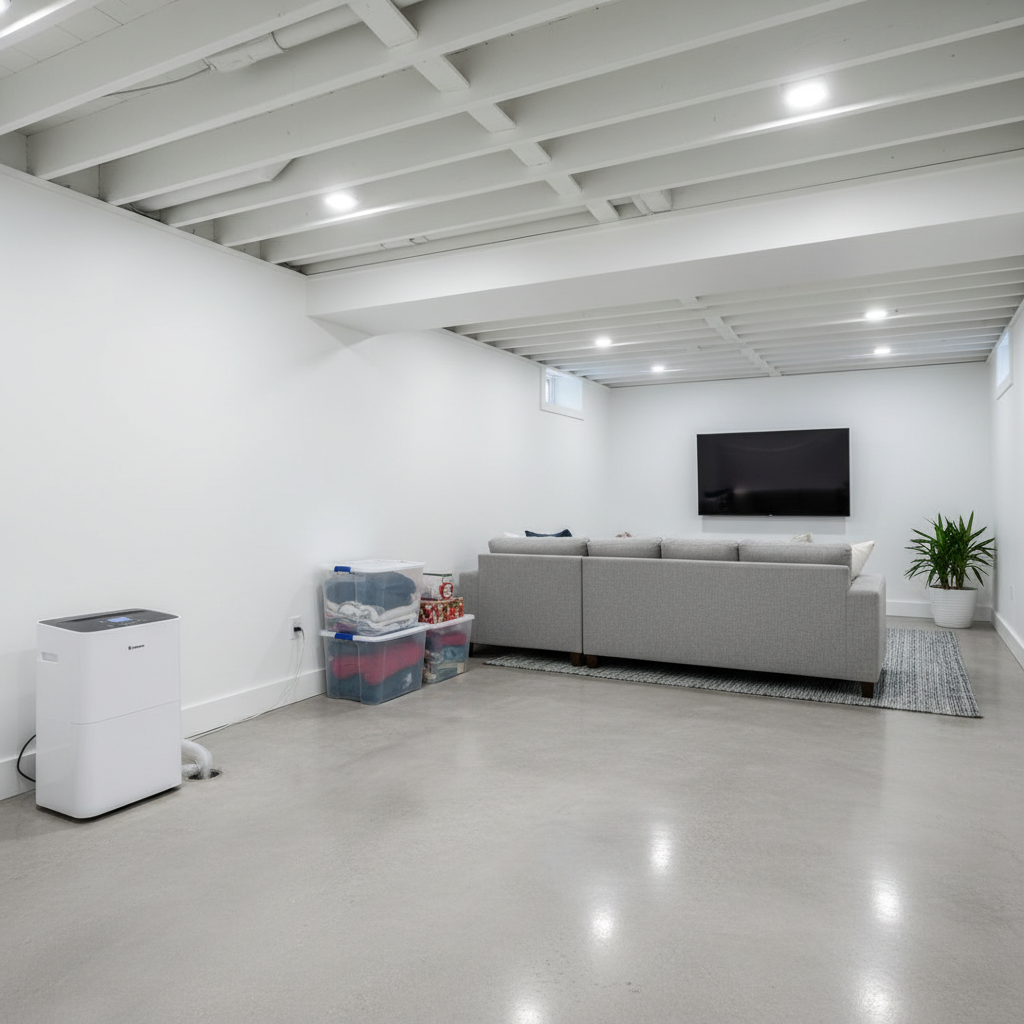
While Denver is generally dry, the American Society of Heating, Refrigerating and Air-Conditioning Engineers suggests specific standards for indoor air. You can find more detail on these standards via ASHRAE Humidity Control resources. For a basement, keeping the relative humidity below 50 percent is vital. In the summer, a dedicated basement dehumidifier can pull gallons of water out of the air that would otherwise settle on your walls.
Proper Airflow and Ventilation
Many Denver basements are poorly ventilated. Houses in neighborhoods like Park Hill or Congress Park often have small, original windows that are rarely opened. Improving airflow helps equalize the temperature and prevents stagnant pockets of air where odors can concentrate. Using a high-quality HVAC filter and ensuring your cold air returns are not blocked can make a massive difference in how your basement smells.
Handling the Aftermath of Water Intrusion
If your musty smell started after a heavy rain or a burst pipe, the approach must be more aggressive. Water damage in Colorado can lead to rapid fungal growth because the high altitude does not prevent mold; it just changes the timeline.
Immediate Extraction and Drying
According to FEMA Flood Cleanup protocols, the first 24 to 48 hours are the most critical. If moisture stays in drywall or carpet padding longer than that, mold growth is virtually guaranteed. If you have a flooded basement, you must strip out the wet materials before odor remediation can begin. Stink Stompers Denver works at the final stage of this process to eliminate the "echo" of the water damage, ensuring the air is fresh and safe for your family.
Checking Window Wells
In Denver, window wells are a frequent source of basement moisture. If your window wells are clogged with leaves or debris, they can hold water against your foundation during a spring thunderstorm. This water eventually find its way into your basement. Keeping these areas clean and covered is a simple preventative measure that saves thousands in remediation costs.
Health Implications of a Musty Basement
A musty smell is more than an annoyance; it is an indicator of poor air quality. For residents of Colorado, where respiratory health is often a priority for those who enjoy the outdoors, basement air quality should not be ignored.
Respiratory Sensitivity
Vapors from mold and bacteria can irritate the lungs and sinuses. For individuals with asthma or allergies, spending time in a musty basement can trigger symptoms like coughing, wheezing, or itchy eyes. By removing the biological source of the odor, you are also removing the various irritants that can lower your quality of life.
Protecting Your Home's Value
The Denver real estate market is competitive. A musty smell in a basement is one of the biggest "red flags" for potential buyers during a home inspection. It suggests hidden moisture problems and neglect. Investing in professional odor removal and moisture control not only makes your home more comfortable to live in but also protects your equity.
Frequently Asked Questions
Is the Stink Stompers process safe for my family and pets? Yes. Our chlorine dioxide process is a dry gas that leaves no toxic residues. Unlike ozone, which can linger and damage materials, ClO2 breaks down into simple salts and water vapor after the treatment is complete. We require people and pets to be out of the treated area during the process, but once we clear the home, the air is safe and fresh.
How long does a typical basement odor removal take? Most basement treatments in the Denver area can be completed in a single day. Depending on the size of the basement and the severity of the odor, the gas-phase treatment usually takes between 4 and 10 hours. Unlike traditional cleaning which can take days of scrubbing, our gas technology works quickly and efficiently.
Will the musty smell come back after you treat it? The smell will not return as long as the source of moisture has been addressed. Our treatment kills the existing mold, bacteria, and neutralized the odor molecules currently in the home. However, if you have an active pipe leak or failing foundation that allows new water to enter, new biological growth could occur. We provide advice on moisture control to help you keep the results permanent.
Can you remove odors from a finished basement without tearing down drywall? In many cases, yes. Because our primary tool is a gas, it can penetrate the porous surfaces of finished walls and ceilings. If there is significant liquid water damage behind the wall, some removal might be necessary, but for general musty smells caused by humidity and age, our gas-phase ClO2 often eliminates the need for expensive demolition.
Get a Denver Odor Reset
If you are tired of walking down into a basement that smells like a damp cave, it is time for a professional reset. Whether you are in Arvada, Aurora, Centennial, or downtown Denver, Stink Stompers Denver is here to help you breathe easier. Jack and his team use the most advanced bio-enzymatic and chlorine dioxide technology available to eliminate odors at their source without using harsh fragrances or dangerous ozone. We understand the specific climate challenges of the Colorado Front Range and the high altitude factors that contribute to basement odors. Don't live with a musty basement another day. Call us today at 720-791-3001 or visit our /contact page to schedule an inspection and get a free estimate. Let us help you take back your basement and ensure your home is a clean, fresh-smelling environment for your family.