Insurance Claims for Smoke and Fire Odor Damage in Colorado
Insurance Claims for Smoke and Fire Odor Damage in Colorado
Navigating the aftermath of a fire is one of the most stressful experiences a Colorado homeowner can face. Whether you have dealt with a localized kitchen fire in a Denver bungalow or the encroaching smoke from a seasonal wildfire in the Front Range foothills, the physical damage is only half the battle. The lingering scent of smoke is more than just a nuisance. It is a sign of microscopic particulates, resins, and toxins embedded in your drywall, upholstery, and HVAC system. When it comes to filing an insurance claim for this damage, many homeowners feel overwhelmed by the technical requirements of the Colorado Division of Insurance and the specific language used by adjusters. Understanding how to document odor damage, quantify the scope of work, and ensure a total reset of your indoor air quality is essential. Stink Stompers Denver specializes in helping residents across the metro area navigate these claims by providing scientific odor remediation that meets the strict standards of insurance carriers while ensuring your home is truly safe to inhabit.
Understanding Smoke Damage in the Colorado Climate
Colorado poses unique challenges for fire and smoke recovery. Our high altitude and semi-arid climate affect how smoke behaves. In the thin air of cities like Denver and Aurora, smoke particles can remain suspended longer and penetrate deeper into porous materials. When a fire occurs, the heat drives these volatile organic compounds into the "pores" of building materials. As the house cools, those pores close, trapping the odor deep inside.
Furthermore, the NFPA Fire Statistics highlight that home fires remain a significant risk nationwide, but in Colorado, we also contend with the secondary effects of massive wildfires. Even if the flames never reach your property in neighborhoods like Highlands Ranch or Golden, the wind can carry heavy soot and ash miles away. This fine particulate matter enters your home through the attic vents and window seals, creating a persistent "campfire" smell that indicates a serious air quality issue. Insurance companies often try to categorize this as mere "settling dust," but it is vital to categorize it as smoke damage to ensure a full professional cleaning is covered.
The Science of Smoke Residue
Smoke is not a single substance. It is a complex mixture of gases and fine particles produced when wood, plastic, or synthetic materials burn. In a modern Denver home, the combustion of electronics and synthetic carpet creates "wet smoke" which is thick, smeary, and highly acidic. This acid can etch into glass and metal fixtures within days. On the other hand, a wildfire mostly produces "dry smoke" which travels easily and settles as a fine powder. Both types require professional intervention. Stink Stompers Denver uses chlorine dioxide (ClO2) gas to neutralize these acidic remnants, a process that is far more effective than the simple ozone treatments many restoration companies offer.
Navigating the Homeowners Insurance Claim Process
When you notice a persistent smoke odor after a fire event, your first step is contacting your insurance provider. Most policies in Colorado are "all-perils" policies, which include coverage for fire and smoke. However, the burden of proof often lies with the homeowner to show that the odor is pervasive and requires professional remediation.
Initial Documentation and Filing
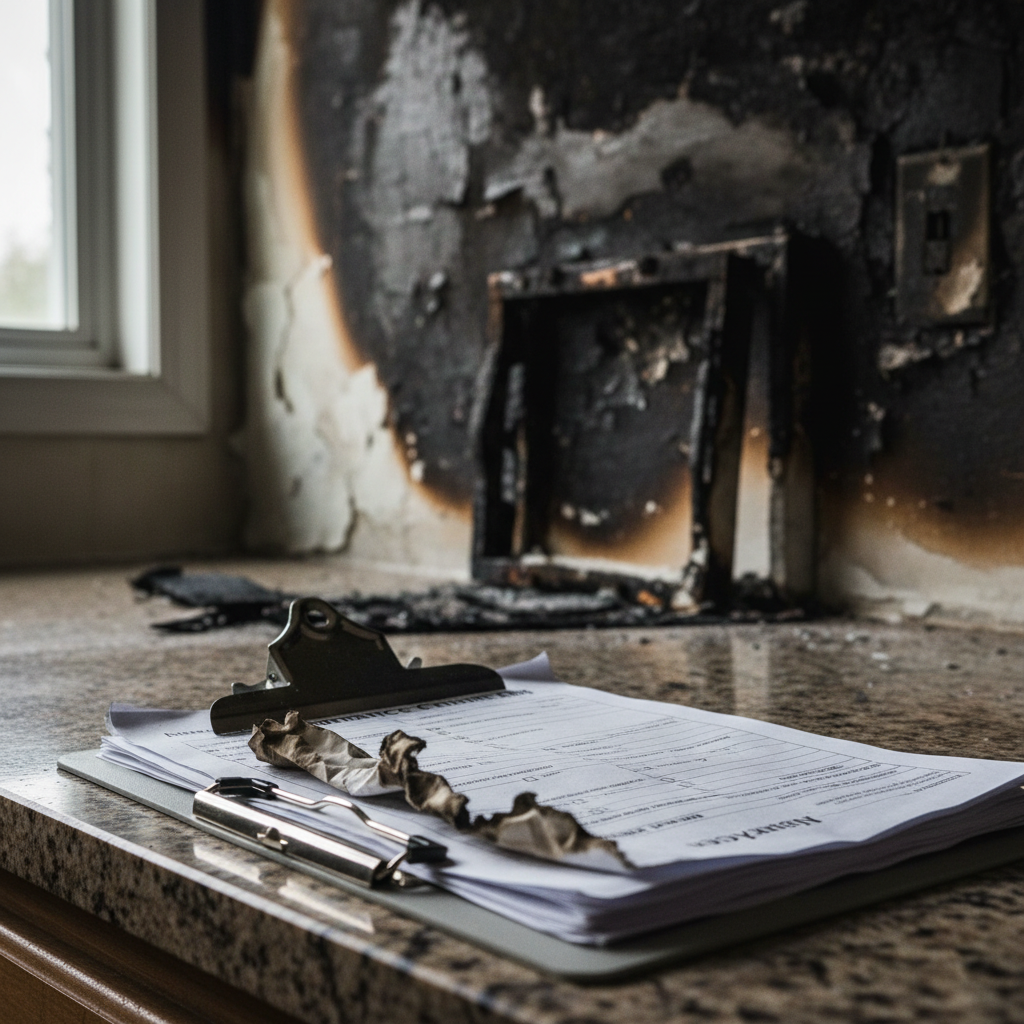
Before you start cleaning, take photos of everything. This includes visible soot on windowsills and ash in the attic. According to the NAIC, maintaining a detailed inventory of damaged items and a log of all communications with your insurance company is the best way to protect your rights as a consumer.
Once you file the claim, an adjuster will be assigned to your case. They will conduct a walk-through to determine the "Scope of Loss." It is important during this walk-through to advocate for odor remediation. If you can smell smoke, there are particles present. Do not let an adjuster tell you that a simple coat of paint will fix the problem. Painting over smoke odor merely traps the particulates, which will eventually off-gas back into your living space during the hot Denver summers.
Working with Adjusters and Estimates
It is highly recommended to have a professional odor remediation expert like Jack from Stink Stompers Denver provide a secondary inspection. We can help identify "hidden" odor sources that adjusters might miss, such as the inside of your HVAC ductwork or the insulation in your crawlspace. Having a detailed, line-item estimate that explains the ClO2 gas process and bio-enzymatic treatment provides the adjuster with the technical justification they need to approve the claim. The Colorado Division of Insurance provides resources for homeowners who feel their claims are being unfairly denied or undervalued.
Why Chlorine Dioxide is Superior to Ozone for Fire Claims
Many traditional restoration companies in Denver rely on ozone machines or thermal foggers to treat smoke smells. For an insurance claim, these methods are often insufficient and can even be dangerous. Ozone is a known respiratory irritant and can damage natural rubbers and certain fabrics. More importantly, ozone often just masks the smell or creates a "sweet" chemical odor that lingers for weeks.
Stink Stompers Denver utilizes a ClO2 vapor system. Chlorine dioxide is a powerful oxidant that physically breaks down the molecular structure of the smoke resins. It doesn't just cover the smell, it destroys the source. Because it is a gas, it reaches everywhere smoke reached, including behind baseboards and inside wall cavities.
Why Insurance Companies Prefer Our Process
Insurance carriers are ultimately looking for "Professional Grade" results that prevent "re-burn" claims (when a homeowner calls back months later because the smell returned). Because our process is scientific and permanent, adjusters often find it more cost-effective than repeatedly cleaning carpets or replacing drywall that could have been saved with a proper gas treatment. Our bio-enzymatic treatments also ensure that any organic proteins from the fire are completely digested, leaving the home medically clean.
Wildfire Recovery and Federal Assistance
Colorado residents often face smoke damage even when their home is not in the immediate path of a fire. If a wildfire is declared a federal disaster, additional resources may be available. The FEMA Disaster Recovery portal offers guidance on how to apply for aid if your insurance coverage is insufficient to cover the total cost of cleaning and restoration.
Secondary Damage from Wildfires
During major events like the Marshall Fire, thousands of homes suffered from smoke infiltration. This type of damage is unique because it often involves "ghosting," where soot particles are attracted to cold spots on walls, creating dark streaks. This is not just a cosmetic issue. For tips on how to handle the long-term recovery from such events, the III Wildfire guide offers a comprehensive checklist for homeowners. Stink Stompers Denver has extensive experience working with families in Boulder County and the surrounding areas to restore air quality after these catastrophic events.
Common Pitfalls in Smoke Damage Claims
One of the biggest mistakes Denver homeowners make is waiting too long to address the odor. Over time, smoke particles can bond permanently with surfaces. Another common pitfall is accepting a settlement that only covers "cleaning" rather than "restoration."
The "Scent Masking" Trap
Be wary of restoration companies that use heavy fragrances or "deodorizing blocks." These are temporary fixes. Insurance adjusters might prefer them because they are cheap, but they do not solve the health hazard of smoke particulates. If your restoration contractor suggests a "cherry-scented" fog, they are not removing the smoke; they are hiding it. You have the right to demand a process that yields a neutral, odor-free environment. Stink Stompers Denver never uses masking agents. We aim for a "zero-scent" result, which is the only true indicator of a clean home.
High Altitude Considerations
At the higher elevations of the Front Range, humidity levels are naturally lower. This dryness makes smoke particles more brittle and easier to disturb, allowing them to travel through the air with even the slightest movement. This is why a professional "vapor" treatment is so critical in Colorado. Liquid cleaners cannot reach the microscopic crevices where dry smoke particles hide at 5,280 feet.
Frequently Asked Questions
Does homeowners insurance always cover smoke odor?
In most cases, yes. Standard policies in Colorado cover damage caused by "smoke," even if there was no actual fire on your property. This includes persistent odors that make the home uninhabitable or decrease its market value. It is important to document the source of the smoke, whether it was a kitchen mishap or a nearby wildfire.
Is chlorine dioxide safe for my furniture and electronics?
Yes. Unlike ozone, which can be corrosive to certain materials over long exposures, our precisely calibrated ClO2 gas process is safe for electronics, artwork, and fine fabrics. We use the same technology used to sanitize hospitals and food processing plants. It leaves no toxic residue behind, only a clean, fresh environment.
How long does the odor remediation process take?
Most residential smoke odor treatments in the Denver metro area can be completed within 24 to 48 hours. This includes the setup, the ClO2 gas cycle, and a thorough ventilation period. This fast turnaround is often a major selling point for insurance companies, as it reduces the cost of "Additional Living Expenses" (ALE) that they must pay while you are out of your home.
Can I just use an air purifier to get rid of the smoke smell?
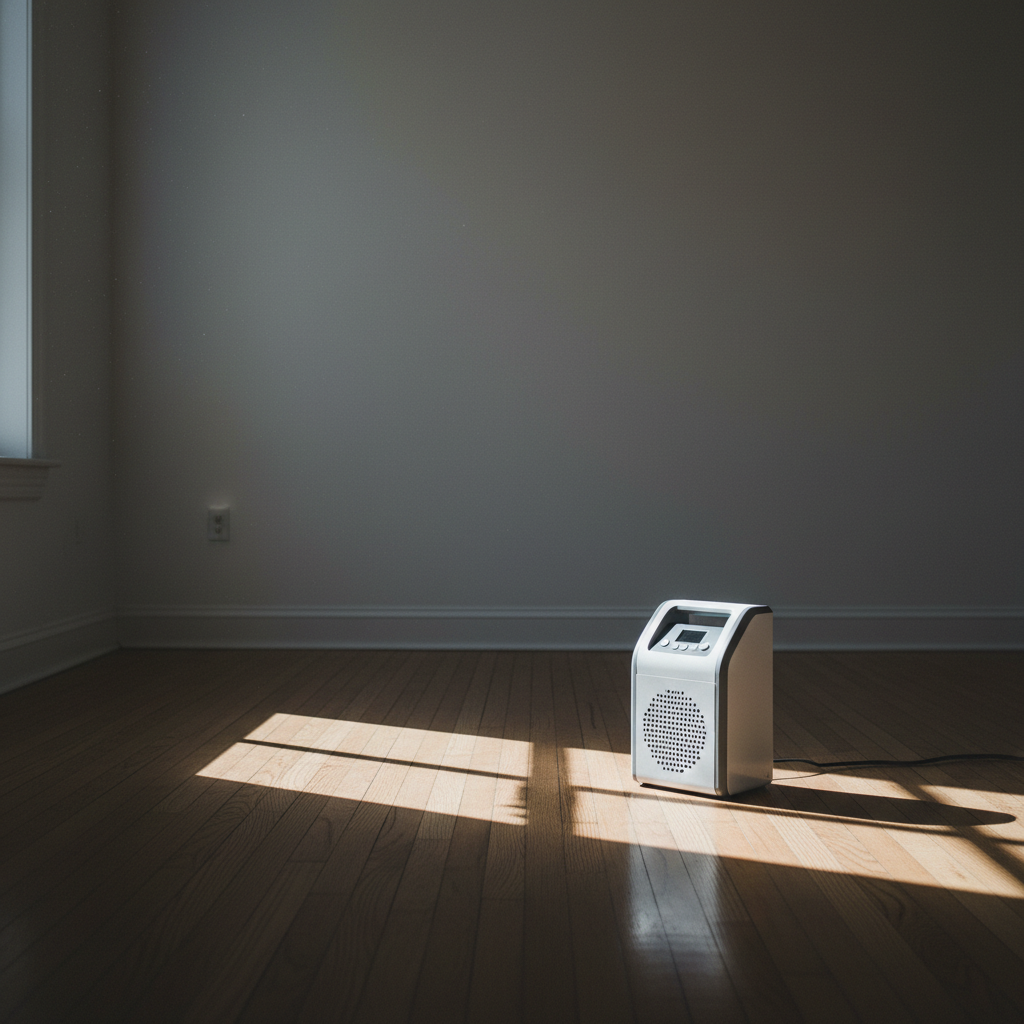
Air purifiers with HEPA and charcoal filters can help remove airborne particles, but they cannot reach the smoke resins that have embedded themselves into your walls, flooring, and ceilings. To truly get rid of the smell, you must treat the surfaces and the air simultaneously. Professional remediation is required to reach the "unseen" smoke damage.
Get a Denver Odor Reset
If you are currently dealing with an insurance claim for fire or smoke damage, do not settle for a home that still smells like a campfire. Stink Stompers Denver provides the high-level, scientific remediation required to satisfy insurance requirements and restore your peace of mind. Jack and the team are experts in the ClO2 process, ensuring that your Denver or Front Range home is free of toxins and odors without the use of harsh chemicals or temporary masked fragrances. We can work alongside your contractor or insurance adjuster to provide a permanent solution. Call us today at 720-791-3001 to discuss your claim or visit our /contact page to schedule a professional odor assessment.