How Long Does Cigarette Smell Take to Remove From a Home?
How Long Does Cigarette Smell Take to Remove From a Home?
Living in a home that smells like a stale ash tray is more than just a nuisance. For homeowners in the Denver metro area, cigarette smoke odor is a persistent challenge that decreases property value and impacts respiratory health. When you decide to tackle the problem, the first question is always about the timeline. Many people assume they can scrub the walls for a weekend and be done with it. Unfortunately, the chemistry of tobacco smoke is far more complex than a simple surface stain. Cigarette smoke consists of thousands of chemicals that penetrate deep into porous materials like drywall, wood framing, and insulation. If you choose the DIY route, you might spend weeks or even months cleaning with very little to show for it. However, if you hire a professional odor remediation specialist using advanced technology, you can often achieve a total odor reset in as little as 24 hours. At Stink Stompers Denver, we understand that time is of the essence, especially if you are preparing a home for sale in a fast paced market like Aurora or Lakewood.
The Chemistry of Tobacco Smoke Persistence
To understand why cigarette smells take so long to remove, you have to look at what the smoke is actually made of. Tobacco smoke is a sticky, oily residue often referred to as tobacco particulate matter. When a cigarette is burned, it releases a cocktail of nicotine, tar, and volatile organic compounds. According to the CDC Tobacco information center, there are thousands of chemicals in every puff, many of which are designed to adhere to surfaces.
In the dry Colorado climate, these oils do not evaporate. Instead, they bond to the surfaces of your home. The low humidity in Denver often causes these residues to become brittle and trapped inside the pores of your paint and drywall. When the seasons change and humidity rises during a spring rainstorm in the Front Range, those trapped molecules re-hydrate and begin off-gassing again. This is why a house might smell fine in the morning but reek by dinner time. This cycle can last for decades if the chemical bond is not broken at the molecular level.
Thirdhand Smoke and Health Implications
The lingering residue left behind after a cigarette is extinguished is known as thirdhand smoke. The ATSDR Thirdhand Smoke guidelines explain that these residues can react with common indoor pollutants to create even more toxic compounds. This is why "covering up" the smell with candles or sprays is not just ineffective but potentially dangerous. You are simply adding more chemicals to an already toxic environment.
The DIY Timeline: Weeks of Frustration
If you attempt to remove cigarette odor yourself, you should prepare for a long and labor intensive process. Most homeowners start with vinegar washes or baking soda treatments. While these might remove some surface grime, they do not reach the smoke molecules embedded deep within the walls.
Phase One: The Deep Scrub (3 to 7 Days)
The first step in a manual cleanup is washing every square inch of the home. This includes ceilings, walls, baseboards, and the insides of cabinets. Because tobacco resins are oily, standard household cleaners often just smear the tar around. You must use heavy duty degreasers. For an average 2,000 square foot home in Highlands Ranch or Littleton, this process usually takes several days of back-breaking labor.
Phase Two: Fabric and Carpet Removal (2 to 4 Days)
Cigarette smoke loves soft surfaces. Curtains, carpets, and pads act like giant sponges for nicotine. In almost every case of heavy smoking, the carpet and the foam padding underneath must be removed entirely. You cannot simply steam clean the smell away. The EPA Secondhand Smoke resources emphasize that pollutants trapped in carpets are a primary source of indoor air quality issues.
Phase Three: Priming and Painting (5 to 10 Days)
After cleaning, many people hope that a fresh coat of paint will seal in the smell. Standard latex paint will not work. The nicotine will bleed through the paint within weeks, creating yellow streaks and a returning odor. You must use a specialized odor blocking primer, which often requires multiple coats and significant drying time. Even then, if you missed a single spot like the inside of a light fixture or a closet shelf, the smell will return.
Why HVAC Systems Prolong the Process
A major factor in how long it takes to remove cigarette smell is the ventilation system. Smoke is drawn into the return air vents and circulated through the entire HVAC system. The ASHRAE Tobacco Smoke standards highlight how air filtration and ventilation play a role in managing indoor air quality, but filters alone cannot stop the accumulation of tar inside ductwork.
If you clean the walls but neglect the ducts, every time the furnace kicks on during a cold Denver winter, you will be blasted with "vintage" smoke particles. Cleaning the ducts adds another day to your timeline and requires professional equipment. Without addressing the HVAC system, the odor removal process is never truly finished because the source remains hidden in the metal trunk lines of your home.
The Professional Solution: The 24-Hour Reset
For those who do not have weeks to waste, professional odor remediation is the preferred path. At Stink Stompers Denver, we do not use ozone machines, which can leave behind a metallic "burnt" smell and can be harmful to certain plastics and rubbers. Instead, we utilize a sophisticated chlorine dioxide (ClO2) vapor process combined with bio-enzymatic treatments.
How ClO2 Speeds Up the Process
Chlorine dioxide is a powerful oxidizing agent that travels as a gas. Because it is a gas, it reaches everywhere the smoke went. It penetrates the pores of the drywall, gets behind the baseboards, and infiltrates the HVAC system. Unlike cleaning solutions that merely sit on the surface, ClO2 seeks out the organic molecules responsible for the odor and breaks their chemical bonds through oxidation. This process transforms the odor molecules into harmless, odorless salts.
The Stink Stompers Protocol
When Jack and the team arrive at a property in neighborhoods like Cherry Creek or Park Hill, we follow a rigorous protocol. We first treat the air and surfaces with our ClO2 system. This usually takes between 12 and 24 hours depending on the severity of the smoke damage. Because our process does not rely on heavy fragrances or masking agents, the result is "hospital clean" air. We don't hide the smell. We eliminate the source. This turns a month-long DIY nightmare into a single-day professional service.
The Surgeon General’s Perspective on Clean Air
It is important to remember that removing cigarette smell is not just about aesthetics. The Surgeon General Smoke Report has long established that there is no safe level of exposure to tobacco smoke. For families with children or residents with asthma, the presence of tobacco residue is a health risk. Choosing a fast, effective professional removal method ensures that these toxins are neutralized properly, rather than just covered up by a "fresh linen" scented spray.
In the high altitude environment of Colorado, our lungs already work harder due to the thinner air. Introducing tobacco particulates into that environment makes it even more difficult for sensitive individuals to breathe comfortably. This is why a thorough, scientific approach to odor removal is necessary for residents in the Front Range.
Factors That Influence Remediation Time
While a professional treatment is fast, several variables can affect the final timeline and success rate.
- Duration of Smoking: A home where someone smoked for 30 years will require more intensive vapor saturation than a home where a guest smoked for a weekend.
- Surface Types: Popcorn ceilings are notorious for trapping smoke. Their high surface area and porous nature mean they hold onto odors longer and may require additional enzymatic treatments.
- Previous Cover-up Attempts: If a previous owner tried to hide the smell by painting over it without cleaning, it takes longer for our vapors to penetrate through those layers of paint to reach the trapped nicotine.
- Humidity and Temperature: Our ClO2 process is most effective when temperature and humidity are controlled. We manage these variables to ensure the gas performs optimally even in the dry Denver air.
The Failure of Ozone and Fragrance Masking
Many restoration companies still rely on ozone generators. While ozone can be effective, it often takes multiple days of treatment and can create secondary pollutants. Ozone can also damage electronics and certain types of carpet padding. Furthermore, many "budget" odor companies use "foggers" that are essentially heavy perfumes. These do not remove the cigarette smell. They simply overwhelm your nose for a few days. Once the fragrance wears off, the smoke smell returns with a vengeance. Stink Stompers Denver never uses masking agents. Our goal is a true neutral environment.
Frequently Asked Questions
Can I just use an air purifier to get rid of the smoke smell?
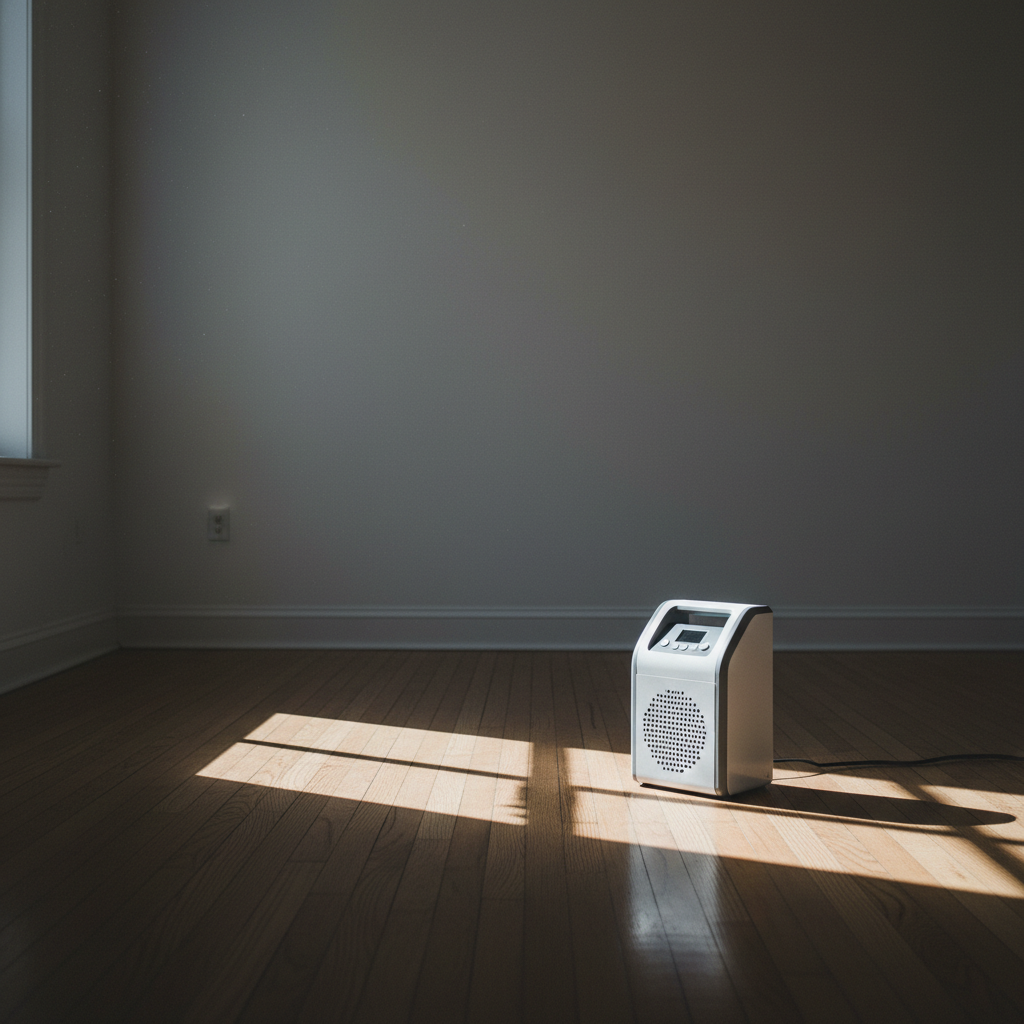
No, an air purifier will only clean the air that passes through it at that moment. It does nothing to address the "reservoir" of smoke residue stuck to your walls, ceilings, and flooring. To remove the smell permanently, you must treat the surfaces where the odors live. An air purifier is a maintenance tool, not a remediation tool.
Is the ClO2 process safe for my pets and plants?
Yes, once the treatment is complete and the home has been aired out, it is completely safe. We require that people, pets, and sensitive plants be out of the home during the actual vapor process, which typically lasts around 12 to 24 hours. After the house is cleared, there are no toxic residues left behind, unlike some chemical cleaners or heavy pesticides.
Do I have to throw away all my furniture if it smells like smoke?
Not necessarily. While highly porous items like old mattresses or ancient sofas might be difficult to save, our ClO2 vapor is exceptionally good at penetrating fabrics and upholstery. Many of our Denver clients find that their high-quality furniture can be saved through our process, saving them thousands of dollars in replacement costs.
Why shouldn't I just paint over the smell using a high-quality primer?
While a high-quality oil-based primer can "trap" some odors, it is a labor-intensive and expensive process that doesn't fix the whole house. Odors will still exist in the vents, closets, and cabinets. Furthermore, if you don't neutralize the odor molecules first, the gasses can eventually build up pressure and cause the paint to bubble or the smell to seep through around outlets and light switches.
Get a Denver Odor Reset
If you are dealing with the persistent, stubborn smell of cigarette smoke in your home, do not spend your weekends scrubbing walls with vinegar. The process is too big for a bucket and a sponge. Whether you are a real estate agent trying to close a deal or a new homeowner who just realized their dream house has a hidden smoking history, Stink Stompers Denver is here to help. We provide a science-based, fast, and permanent solution that works at the molecular level. Our chlorine dioxide and bio-enzymatic system is the most effective way to reclaim your indoor air quality and get your home smelling fresh again in just one day. Contact Jack today to schedule an inspection and get a quote for your property. We serve the entire Denver metro area and the Front Range with expert care and professional results. Give us a call at 720-791-3001 or visit our contact page to start your journey toward a fresh, odor-free home.