Dead Animal Odor in Walls or Crawlspace
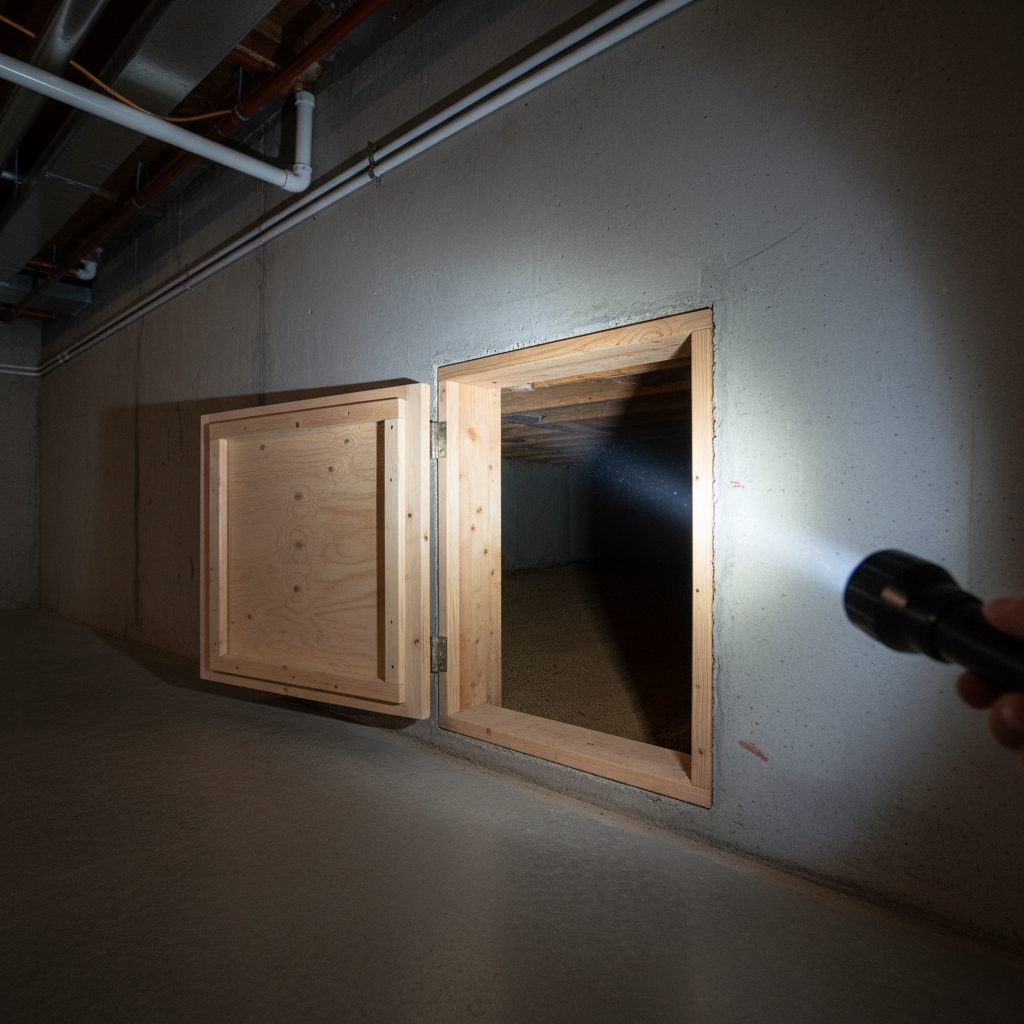
Dead Animal Odor in Walls or Crawlspace
Discovering a foul, cloying smell in your Denver home is a homeowner's nightmare. It often starts as a faint, metallic tang in the air that quickly matures into a sickly sweet, thick stench that permeates furniture, clothing, and drywall. If you live in the Front Range, you are likely dealing with a deceased mouse, rat, squirrel, or raccoon hidden deep within your home's structural cavities. Because Colorado’s climate fluctuates between bone-dry mountain air and sudden snowmelt moisture, the decomposition process can be unpredictable. In high humidity, the smell is aggressive and wet, while in our dryer periods, the carcass might mummify, leading to a lingering, dusty musk that persists for months. At Stink Stompers Denver, we understand that you cannot simply "wait it out" when your living room or nursery becomes uninhabitable. Jack and our team specialize in neutralizing these organic compounds at the molecular level, ensuring your home is safe and breathable again without the use of toxic chemicals or ineffective fragrance masking.
The Science of the Stench: Why Dead Animals Smell So Bad
When an animal expires inside a wall or crawlspace, biological decomposition begins almost immediately. This process involves the breakdown of proteins and fats by bacteria, which releases a cocktail of volatile organic compounds (VOCs). The primary culprits behind that unmistakable "dead thing" smell are chemicals like cadaverine and putrescine. These gases are heavy and often sink, which is why a dead mouse in the attic can sometimes be smelled most strongly at the floor level of the story below.
In Denver’s high-altitude environment, lower oxygen levels can actually influence how bacteria break down organic matter. Furthermore, our tight, energy-efficient modern homes in neighborhoods like Stapleton or Highlands Ranch tend to trap these gases. Without proper remediation, these odors can linger for six to ten weeks depending on the size of the animal and the ambient temperature.
Identifying the Culprit and the Location
Before you start cutting holes in your drywall, it is essential to narrow down where the carcass is located. Odor molecules follow the path of least resistance. They often travel through electrical outlets, recessed lighting fixtures, and plumbing gaps.
The Sniff Test
The most primitive yet effective tool is your nose. Walk through the home and identify the "hot zone." If the smell is strongest near a specific wall, check the baseboards and outlets. Often, if you put your nose directly to an electrical outlet, the concentrated scent will confirm the animal is in that specific stud bay.
Visual Cues
Look for an influx of blowflies or "cluster flies" near windows. These insects are biologically programmed to find decaying matter. If you see dozens of flies appearing in a room with no obvious entry point, the source is nearby. In crawlspaces, look for disturbed insulation or nesting materials. According to the NPMA, rodents often seek out secluded areas like crawlspaces and wall voids to nest, and unfortunately, that is often where they die.
Health Risks and Biological Hazards
A dead animal is more than just a localized smell. It is a biohazard. As the body decomposes, it can leak fluids into building materials like drywall, plywood, and insulation. This creates a breeding ground for secondary infestations, such as carpet beetles and maggots.
More importantly, rodents are known carriers of various pathogens. The CDC Rodents resource center highlights that mice and rats can spread diseases through their droppings, urine, and nesting materials even after they have died. In Colorado, we have specific concerns regarding Hantavirus Pulmonary Syndrome, which is primarily spread by deer mice. Small particles of dried urine or saliva can become airborne during the cleanup process. The OSHA Hantavirus guidelines emphasize the importance of using high-level personal protective equipment (PPE) when handling rodent-contaminated areas to prevent inhalation of these dangerous spores.
Why Traditional "Masking" Fails Every Time
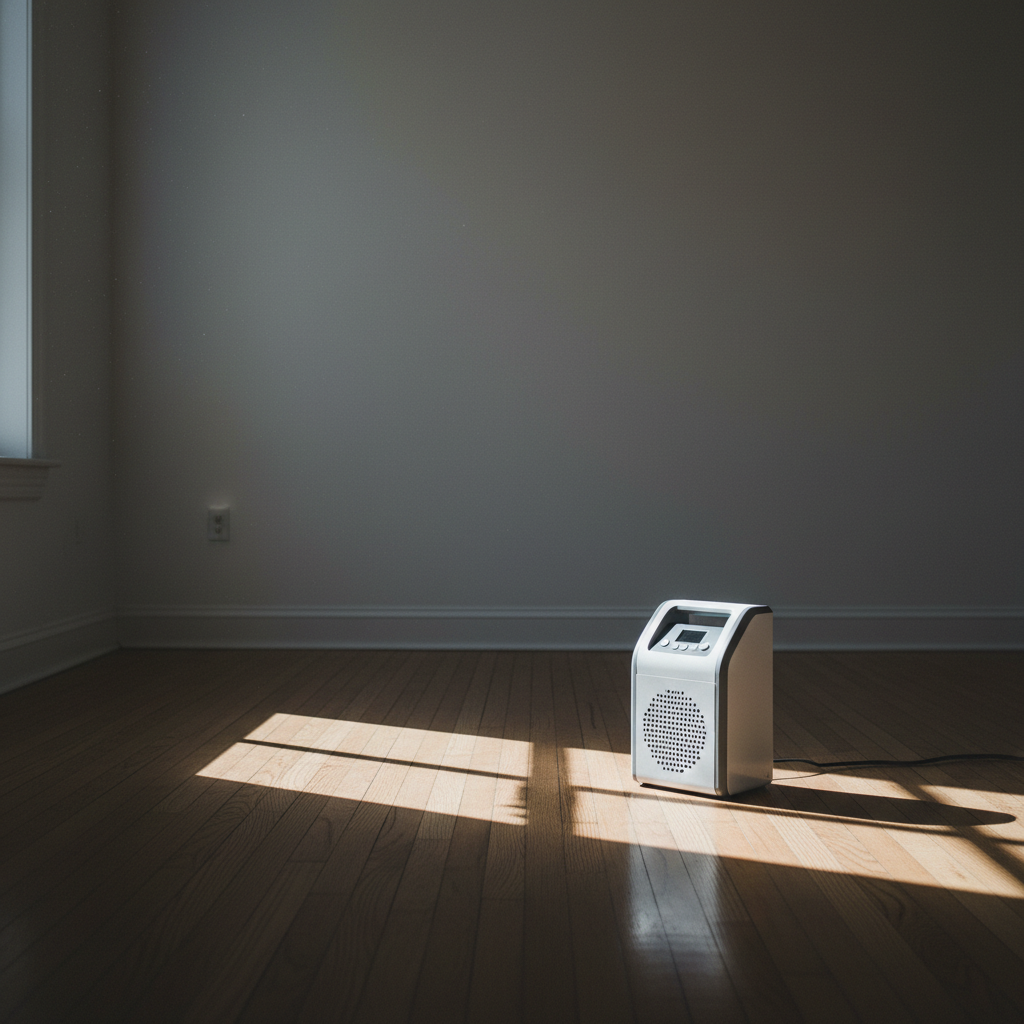
Many homeowners in Aurora or Littleton try to solve the problem by buying ozone machines or heavy-duty air fresheners. This is a mistake for several reasons. First, ozone is a known lung irritant that can damage rubber, plastics, and electronics if used incorrectly. Second, fragrance masking only layers a floral or "linen" scent over the rot. The result is a nauseating mix of lavender and decaying protein.
Stink Stompers Denver takes a different approach. We use Chlorine Dioxide (ClO2) gas vapors. ClO2 is an unstable molecule that seeks out organic odor molecules and neutralizes them through oxidation. Unlike ozone, it does not leave behind harmful residues, and unlike "plug-ins," it actually destroys the odor rather than hiding it. We also utilize bio-enzymatic treatments for crawlspaces, where the enzymes "eat" the organic matter left behind by the animal, ensuring the scent doesn't return when the weather gets warm and humid.
Step-by-Step Remediation Strategy
If you are attempting to handle the initial stages of removal yourself, follow these safety-first steps.
- Locate and Remove: You must find the source. If the animal is in a wall, a small "inspection hole" might be necessary. Use a bore-scope camera to confirm the location before making a large cut.
- Remove Contaminated Materials: If a raccoon died on a pile of fiberglass insulation, that insulation must be bagged and removed. It acts like a sponge for decomposition fluids.
- Sanitize the Surface: Use a disinfectant labeled for wildlife use. The EPA Rodent Control site offers guidance on integrated pest management and the safe use of sanitizers in the home.
- Neutralize the Air: This is where professional help is usually required. Even after the carcass is gone, the "ghost smell" remains trapped in the pores of the wood and drywall.
Preventing Future Invasions in Colorado
Colorado’s wildlife is beautiful, but it belongs outside. The CPW (Colorado Parks and Wildlife) provides excellent resources on how to coexist with our local fauna without inviting them into our attics. Common entry points in Denver homes include:
- Roof Eaves and Soffits: Squirrels and raccoons can chew through wood or plastic vents.
- Foundation Gaps: A mouse can fit through a hole the size of a dime.
- A/C Line Sets: The area where your air conditioning lines enter the house is a common highway for rats.
Sealing these gaps with steel wool and expandable foam is a temporary fix; permanent exclusion requires hardware cloth and metal flashing.
The Stink Stompers Difference: ClO2 and Enzymes
When Jack arrives at your property, the goal is a total "Odor Reset." We recognize that the arid Colorado climate can sometimes mask smells until a rainy spring day brings them back to life. Our process is dual-action.
First, we address the physical site with bio-enzymes. These are living bacteria cultures that produce enzymes specifically designed to break down uric acid and decaying proteins. This is especially vital in dirt-floor crawlspaces common in older Denver neighborhoods like Park Hill or Congress Park.
Second, we utilize our proprietary Chlorine Dioxide gas system. Because ClO2 is a gas, it behaves like the odor itself, penetrating tucked-away spaces, behind baseboards, and deep into the fibers of your carpets and curtains. It breaks the carbon bond of the odor molecule. Once the bond is broken, the smell is gone forever. It is not "covered up," it no longer exists.
Frequently Asked Questions
How long will a dead mouse smell if I don't remove it? In the typical Denver home, a single dead mouse will produce a noticeable odor for about two to three weeks. However, the "mummy" phase can last months, where the carcass continues to release a faint, musty smell every time the furnace kicks on or the humidity rises. Larger animals like raccoons can smell for months and can potentially cause structural damage via fluid leakage.
Can I just use an ozone generator from the hardware store? We strongly advise against it. Ozone is an indiscriminate oxidizer that can be hazardous to your health and damaging to your home’s interior materials. Furthermore, consumer-grade ozone machines often lack the concentration necessary to truly neutralize deep-seated organic decay. Our Chlorine Dioxide process is safer, faster, and significantly more effective at total odor elimination.
Is the smell of a dead animal dangerous to breathe? While the smell itself (the VOCs) is mostly a nuisance in small quantities, the secondary particulates are the concern. Desiccated droppings or nesting materials can harbor Hantavirus or Salmonellosis. If you are smelling the animal, you are breathing in molecules that were recently part of that animal. Professional air decontaminating is the best way to ensure your indoor air quality is restored to safety.
Will the smell go away on its own eventually? Yes, but it takes much longer than most people can tolerate. Even after the organic matter has completely dried out, the lingering scent can be "re-activated" by moisture. If you are trying to sell a home or simply want to enjoy your kitchen again, waiting weeks for a "natural" dissipation is usually not a viable option. Modern remediation by Stink Stompers Denver can solve the problem in a matter of hours.
Get a Denver Odor Reset
Do not let a dead animal carcass ruin your home's comfort or jeopardize your family's health. Whether you are dealing with a mouse in the wall of your Cherry Creek condo or a squirrel in your Arvada crawlspace, Jack and the team at Stink Stompers Denver are ready to help. We provide a science-based, no-fragrance, no-ozone solution that actually works for the long term. Our process is safe for pets, children, and those with respiratory sensitivities. Call us today at 720-791-3001 to discuss your situation and get a quote for a total odor reset. You can also reach out through our contact page to book a professional inspection and treatment. We serve the entire Denver metro area and the Front Range, bringing fresh, clean air back to Colorado homes.