Cat Urine Smell in Hardwood Floors: Can It Be Saved?
Cat Urine Smell in Hardwood Floors: Can It Be Saved?
Living in the Mile High City comes with many perks, from the crisp mountain air to the vibrant neighborhoods of Wash Park, Highlands, and Cherry Creek. However, when you return home to the pungent, unmistakable scent of cat urine emanating from your expensive oak or maple flooring, those perks quickly fade. For many Denver homeowners, cat urine in hardwood floors feels like a permanent disaster. The high altitude and dry climate of Colorado can actually complicate things, as the lack of humidity can sometimes pull moisture out of the urine, leaving behind concentrated salts and crystals that embed themselves deep into the wood grain. If you are staring at a dark stain on your beautiful floor or holding your breath every time the furnace kicks on, you are likely wondering if the floor can be saved or if a total replacement is your only path forward.
The short answer is that many hardwood floors can be saved from pet odors, but the method matters immensely. Most people reach for store-bought cleaners or, worse, attempt to mask the scent with heavy fragrances. These methods rarely work because cat urine is a complex biological fluid that requires a scientific approach to neutralize. At Stink Stompers Denver, we focus on high-level odor remediation that goes beyond the surface. By understanding the chemistry of the wood and the biological makeup of the urine, we can often restore a home to a fresh state without the need for demolition.
The Chemistry of Why Cat Urine Destroys Wood
To understand if your floor can be saved, you first have to understand why cat urine is so destructive. Unlike human or dog urine, cat urine is highly concentrated. It contains urea, urobilin, and uric acid. When a cat marks a spot on a hardwood floor, the liquid follows gravity. Hardwood flooring, even when sealed, is a porous organic material. Over time, the protective polyurethane or wax coating wears down, especially in high traffic areas of Colorado homes. The urine seeps into the seams between the planks and finds its way into the cellular structure of the wood.
As the liquid portion of the urine evaporates, the urea breaks down into ammonia. This is why a fresh accident smells like ammonia. However, the real problem is the uric acid. Uric acid contains crystals that are not water soluble. These crystals bond to the wood fibers and remain dormant until they are exposed to any hint of moisture. In Denver, when we get a sudden spike in humidity or a snowy day where wet boots track moisture inside, those dormant crystals reactivate. This is why a room might smell fine one day and terrible the next. Understanding this biological process is essential for effective remediation, and organizations like the ASPCA Cat Behavior team often highlight that stopping the behavior is only half the battle. You must also remove the chemical markers that entice the cat to return to the same spot.
Identifying the Severity of the Damage
Before deciding on a course of treatment, Jack and the team at Stink Stompers Denver assess the level of penetration. Not all cat urine problems are created equal. We generally categorize the damage into three levels to determine if the wood is salvageable.
Surface Level Dampness
If the accident was caught quickly and the floor has a strong, intact finish, the urine may have stayed on the surface. In these cases, the urine has not yet reached the subfloor or the tongue-and-groove joints. These are the easiest cases to solve using professional grade bio-enzymatic treatments and chlorine dioxide (ClO2) vapor.
Deep Fiber Penetration and Dark Staining
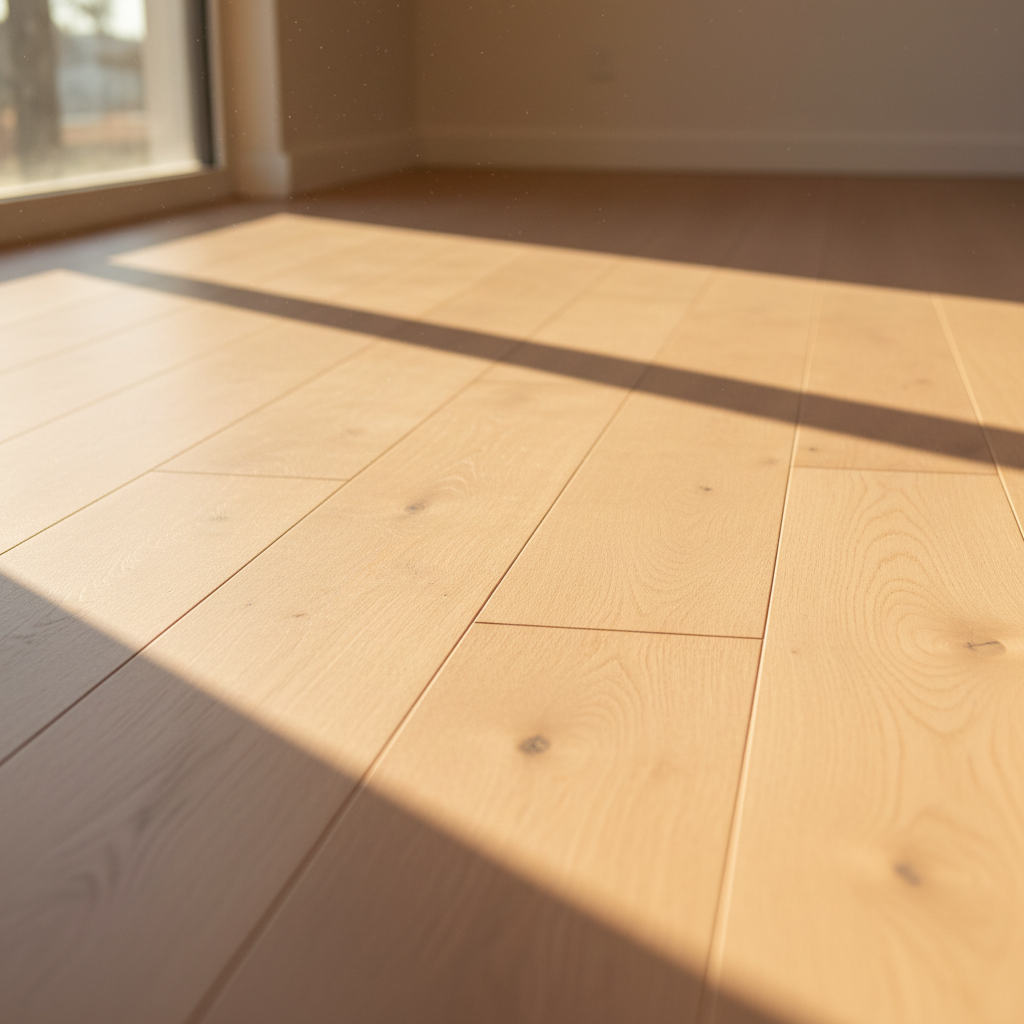
When urine sits for hours or days, it begins to react with the tannins in the wood. This often results in black or dark gray stains. These stains indicate that a chemical reaction has occurred between the acidic urine and the wood. While the odor can often still be neutralized at this stage, the aesthetic damage may require sanding and refinishing. Following the NWFA Hardwood Care guidelines is critical here to ensure the structural integrity of the wood remains intact during the restoration process.
Subfloor Contamination
This is the most severe scenario. If a cat has been "spraying" or urinating in the same corner for months, the urine liquid has likely traveled through the cracks of the hardwood, through the underlayment, and into the plywood or OSB subfloor. In these cases, treating the surface of the hardwood will not solve the problem. The odor is literally trapped underneath the floorboards. In some extreme situations, the hardwood must be removed to treat the subfloor, though our ClO2 gas system can sometimes penetrate deep enough to avoid this.
Why Traditional Cleaning Methods Often Fail
Most homeowners in the Front Range start their journey by browsing the cleaning aisle at the local hardware store. They buy "pet odor eliminators" that are mostly soap and perfume. These products fail for two reasons. First, they do not address the uric acid crystals. Soap can wash away the urea, but the crystals stay behind. Second, these products often introduce more moisture into the wood without a way to extract it, potentially pushing the odor deeper.
Other homeowners try DIY home remedies like vinegar or baking soda. While vinegar is acidic and can neutralize some of the ammonia, it often isn't strong enough to break down the complex proteins in cat urine. Furthermore, applying too much liquid to hardwood can cause the planks to cup or warp. We follow IICRC Standards for professional cleaning and restoration, which emphasize that true odor removal requires the complete elimination of the odor source, not just covering it up.
The Stink Stompers Denver Approach: ClO2 and Enzymes
At Stink Stompers Denver, we do things differently. We do not use ozone machines, which can be harmful to indoor air quality and degrade rubber or elastic materials in your home. Instead, our process relies on the power of Chlorine Dioxide (ClO2) and advanced bio-enzymatic agents.
Chlorine dioxide is a powerful oxidizing agent that works at a molecular level. Unlike scents that mask odors, ClO2 physically breaks the molecular bonds of the odor causing compounds. Because it is used in a gaseous form during our whole home treatments, it can reach into the microscopic pores of the wood where liquid cleaners cannot go. This is particularly effective in Denver homes where the dry air makes the wood grain more open and susceptible to gas penetration.
Our bio-enzymatic process involves using specific bacteria cultures that produce enzymes designed to "eat" the uric acid and proteins found in cat urine. By applying these in a controlled manner, we can digest the organic source of the smell. This approach is safer for your family and pets than harsh chemical alternatives. Ensuring a healthy indoor environment is a priority, and we reference information from the EPA Carpet IAQ guidelines which, while focused on carpet, emphasize the importance of managing biological contaminants in the home for better air quality.
When to Refinish and When to Replace
If you are dealing with dark stains, you face a choice. Even if we successfully remove 100% of the odor, the black spot will remain. If the aesthetics of your home in areas like Lakewood or Aurora are a priority, you may need to hire a flooring professional to sand the floors down.
However, there is a catch. If you sand the floors before the odor is neutralized, the heat of the sanding drum can actually "bake" the urine smell into the wood or spread fine, urine coated dust throughout your entire HVAC system. We always recommend performing a deep odor reset before any sanding occurs.
Replacement is usually only necessary if the wood has physically rotted or if the subfloor has become structurally unsound due to repeated saturation. If the wood is still solid, our ClO2 treatment can typically save the floor, saving you thousands of dollars in replacement costs. We want to keep your home a healthy space, especially considering how much time we spend indoors during Colorado winters. For more on maintaining a healthy home with pets, the CDC Pet Health resources provide excellent advice on sanitation and safety.
Preventing Future Incidents
Once your floors are saved and the odor is gone, the final step is prevention. Cats are creatures of habit. If they can smell even a faint trace of their previous accident, they are likely to repeat the behavior. This is why a total "odor reset" is so important.
We recommend that Denver pet owners look into the underlying causes of the behavior, whether it is a medical issue like a urinary tract infection or a stressor in the home. Once the floor is cleaned and neutralized, applying a fresh, high quality seal to the hardwood can provide a new barrier against future accidents. Using rugs with pet proof pads can also help protect your investment, provided the rugs are cleaned regularly.
Frequently Asked Questions
Can I just use a steam cleaner on my hardwood to get the smell out?
No, you should never use a steam cleaner on hardwood floors to treat cat urine. The high heat and moisture can permanently damage the wood, causing it to swell or buckle. Additionally, the heat can actually set the stain and the odor, making it much harder for professionals to remove the smell later. It effectively cooks the proteins in the urine into the wood fibers.
How long does the Stink Stompers process take?
Our typical odor remediation process for a home in the Denver metro area takes about 24 hours. This includes the application of our bio-enzymatic stabilizers and the deployment of our ClO2 vapor system. During the gas treatment phase, humans, pets, and plants must vacate the premises, but you can usually return the very next day to a home that smells completely neutral.
Is the chlorine dioxide treatment safe for my family?
Yes, when performed by a professional like Jack at Stink Stompers Denver, ClO2 is very safe. It breaks down into harmless salts and oxygen after it has finished its oxidation process. Unlike ozone, it does leave behind a temporary "pool like" scent that dissipates quickly with minor ventilation, and it does not create the harmful secondary pollutants that ozone generators are known for.
Will the smell come back when it rains or gets humid?
If you use standard household cleaners, the smell will almost certainly return when the humidity rises. However, the Stink Stompers process is designed to eliminate the uric acid crystals entirely. Because the source of the odor is destroyed at a molecular level, there is nothing left to reactivate. Our goal is a permanent solution, not a temporary cover up.
Get a Denver Odor Reset
If you are struggling with cat urine odors in your Denver, Colorado home, do not lose hope or rush into an expensive floor replacement. Whether you are in Centennial, Northglenn, or downtown Denver, Jack and the team at Stink Stompers Denver have the expertise to restore your hardwood floors to a fresh, odor free state. We specialize in complex cases that others can’t handle, using a proven system of bio-enzymatics and ClO2 vapor that targets the root cause of the stench. Take the first step toward reclaiming your home and breathing clear air again by giving us a call at 720-791-3001 or visiting our /contact page to schedule an inspection. We provide the permanent odor reset that Colorado homeowners need.