Boat and RV Mildew Odor Removal Before Storage Season
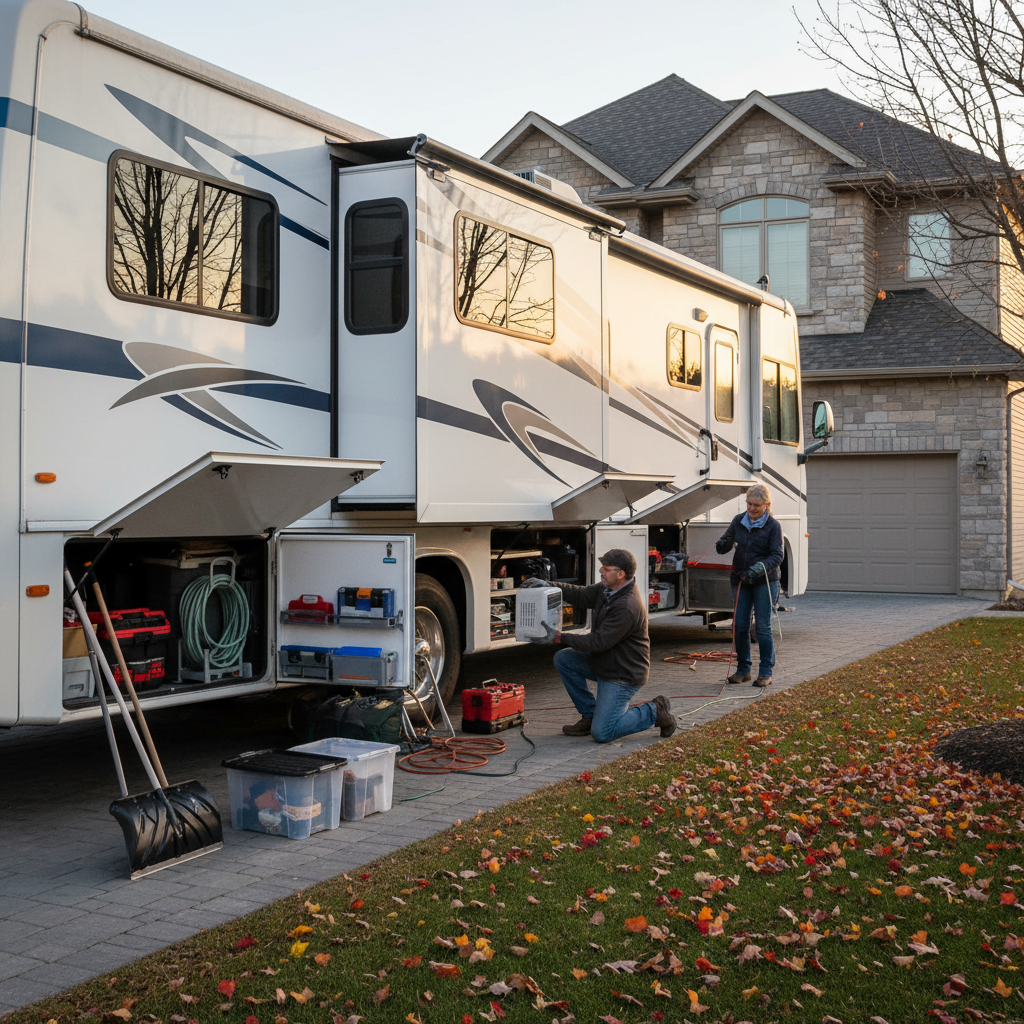
Boat and RV Mildew Odor Removal Before Storage Season
As the crisp autumn air settles over the Front Range and the peaks of the Rockies begin to see their first dustings of snow, Denver outdoor enthusiasts prepare for the inevitable transition. The time has come to park the motorhome and dock the boat for the winter. However, many owners make a critical mistake during this season. They focus entirely on mechanical winterization while neglecting the microscopic environment inside their cabins. Closing up a boat or RV with even a trace amount of moisture or organic residue is a recipe for a mildew disaster. When you seal a vessel or vehicle for months, you create a stagnant environment where mold and mildew thrive, especially during Colorado’s fluctuating winter temperatures. Stink Stompers Denver specializes in ensuring your investment remains fresh and healthy through the off-season. By neutralizing odors and spores now, you prevent a foul-smelling surprise when spring finally arrives.
The Science of Mildew in High Altitude Storage
Mildew is a surface fungus that thrives on moisture, warmth, and organic matter. While Denver is known for its semi-arid climate, the interior of a closed boat or RV creates a microclimate. During a typical Colorado winter, the sun can heat the interior of a parked vehicle significantly during the day, even if the outdoor temperature is freezing. As the sun sets and temperatures drop, condensation forms on windows, metal frames, and inside fiberglass hulls.
This cycle of condensation provides the exact moisture mildew needs to grow on seat cushions, carpets, and headliners. Unlike some parts of the country where humidity is constant, Colorado’s "flash" moisture from melting snow or interior temperature swings can be just as damaging. If you leave a damp towel, a spilled drink, or even just high humidity from a final weekend trip, you are essentially pre-seeding your storage unit with fungal growth.
Preparation Protocol for Motorhomes and Campers
Preparing an RV for storage involves more than just emptying the holding tanks. To prevent odors, you must address the unseen organic loads. The RVIA (Recreation Vehicle Industry Association) emphasizes the importance of maintaining the structural integrity and interior wellness of recreational vehicles to preserve their longevity.
Deep Cleaning the Interior Surfaces
Start by removing all textiles that can be laundered. This includes bedding, towels, and curtains. Vacuum every square inch of the upholstery. Skin cells and pet dander left on cushions serve as food for mildew. Use a bio-enzymatic cleaner on hard surfaces rather than harsh bleach, which can damage finishes and leave behind toxic fumes.
Kitchen and Pantry Management
A single forgotten cracker crumb can attract pests and contribute to a musty smell. Wipe down the inside of the refrigerator and freezer with a solution that neutralizes food odors. Most importantly, leave the refrigerator doors propped open. If the doors are sealed, the lack of airflow will lead to a localized mold outbreak within weeks. Members of the FMCA (Family Motor Coach Association) often recommend using moisture absorbers, but these are often insufficient if the underlying organic odors are not professionally neutralized first.
Essential Boat Winterization and Odor Prevention
Marine environments are naturally more prone to mildew because of their constant exposure to water. Whether you keep your boat at Cherry Creek Reservoir, Chatfield, or a professional storage facility in Aurora, the rules of moisture management are strict.
Bilge and Locker Maintenance
The bilge is often the primary source of boat odors. Before storage, ensure the bilge is pumped dry and cleaned. Any standing water mixed with fuel vapors or organic residue will create a "swamp" smell that permeates the entire vessel. Be sure to check all storage lockers and under-seat compartments. According to BoatUS Storage guidelines, proper ventilation and cleanliness are the two most important factors in preventing winter damage.
Canvas and Upholstery Care
Never store a boat with wet canvas or cushions. If you wrap your boat in shrink-wrap or a heavy cover, you must ensure there is adequate ventilation. Without vents, the "greenhouse effect" will accelerate mildew growth on your expensive vinyl seating. The NMMA (National Marine Manufacturers Association) suggests that maintaining the interior of your boat is just as vital as engine maintenance for preserving resale value.
Safety Equipment Inspection
While cleaning, take the time to inspect your life jackets and safety gear. Damp life jackets stored in a tight locker are a primary breeding ground for mold. The USCG Boating Safety standards remind us that mold-damaged gear can lose its structural integrity, making it unsafe for use. Ensure all PFDs are bone dry before they are stowed for the winter.
Why Conventional Odor Methods Fail
Many Denver residents turn to "do-it-yourself" fixes like ozone machines, scented sprays, or "foggars" found at big-box stores. These methods are frequently ineffective or even dangerous.
The Problem with Ozone
Ozone is a powerful oxidizer, but it is highly corrosive. In an RV or boat, ozone can degrade rubber seals, wire insulation, and elastic in upholstery. Furthermore, ozone has a distinct, lingering chemical smell that many people find just as offensive as the mildew it was supposed to kill. It also requires long run times that can potentially damage electronics in modern luxury motorhomes.
Masking Agents vs. True Deodorization
Scented sprays and "odor bombs" do not remove the source of the smell. They merely cover the odor molecules with a heavier fragrance. Once the fragrance evaporates during the cold winter months, the mildew odor returns, often worse than before. Additionally, these fragrances can trigger allergies or sensitivities for family members once the vehicle is reopened in the spring.
The Stink Stompers Advantage: Chlorine Dioxide (ClO2)
Stink Stompers Denver uses a sophisticated vapor-phase chlorine dioxide (ClO2) process that is vastly superior to ozone or masking agents. ClO2 is a selective oxidizer, meaning it attacks organic molecules like mold, mildew, bacteria, and smoke without damaging the structural materials of your boat or RV.
Because ClO2 is a gas, it reaches areas that liquid cleaners cannot. It penetrates deep into seat foam, behind cabinetry, and into the ventilation ducting of your RV. This process effectively resets the "odor clock" to zero. By eliminating the spores and bacteria before you seal the unit for storage, you ensure that the air remains neutral and fresh throughout the winter. Our process is eco-friendly and leaves no toxic residue, making it safe for families and pets.
Preparing for the Denver Climate
The Front Range presents unique challenges for storage. Our high altitude means increased UV exposure, which can dry out materials, while our rapid temperature swings create significant condensation. If you are storing your boat or RV in a facility in neighborhoods like Lakewood, Arvada, or Thornton, consider the following:
- Airflow is King: Use specialized boat cover vents or RV roof vent covers that allow moisture to escape while keeping snow out.
- Remove the Source: If you had a moisture leak during the summer season, it must be repaired and the area professionally treated before storage. Closing a leak-damaged vehicle is a guarantee of a total loss due to mold by March.
- Bio-Enzymatic Pre-treatment: Use bio-enzymatic cleaners for any pet accidents or food spills. These cleaners use "good" bacteria to eat the organic matter that causes smells. Stink Stompers Denver utilizes advanced bio-enzymatic formulas to ensure your carpets and fabrics are biologically clean.
Frequently Asked Questions
Does heat help prevent mildew during storage? While keeping a space warm can prevent condensation, it can also encourage the growth of certain molds if moisture is present. The best strategy is to remove the moisture and the fungal spores entirely via professional ClO2 treatment rather than relying on a heater, which can also be a fire hazard in storage facilities.
Can I just use charcoal bags or baking soda? These items are desiccant or absorbent tools. They can help with very minor moisture or surface odors, but they cannot stop a mildew colony that has already started in your cushions or carpets. They are a "maintenance" tool, not a "remediation" tool. Professional treatment is required to kill the active biological sources of the smell.
How long does the Stink Stompers process take? Most RV or boat treatments are completed in a single day. We apply the ClO2 vapor, allow it to dwell and penetrate all surfaces, and then thoroughly ventilate the vehicle. You are left with a completely neutral, odorless interior that is ready for the winter.
Is chlorine dioxide the same as bleach? No. While they share the word "chlorine," they are chemically very different. Bleach (sodium hypochlorite) stays a liquid and is very corrosive and damaging to colors. Chlorine dioxide is a gas that does not create the same harmful byproducts and is safe for a much wider variety of materials, including delicate fabrics and marine-grade vinyl.
Get a Denver Odor Reset
Don’t let a summer's worth of memories turn into a spring's worth of scrubbing and disappointment. Stink Stompers Denver provides the most effective, science-based odor removal service in the Front Range. Owner Jack and his team understand the specific needs of Colorado boat and RV owners. Whether you are dealing with lingering fish smells in your fishing boat, campfire smoke in your camper, or just the musty scent of a long season on the water, we can help. Our chlorine dioxide and bio-enzymatic systems are the gold standard for odor elimination. Protect your investment and ensure your next adventure starts with a breath of fresh air. Call Jack at 720-791-3001 today to schedule your pre-storage odor reset, or visit our /contact page to get a quote online. We serve the entire Denver metro area and surrounding mountain communities.