
Office Odor Removal Denver Colorado
Employees notice odors the moment they walk in, and they blame the building, the HVAC or the tenants next door. We remove kitchenette, restroom, carpet and HVAC odors from offices so the workplace stops being distracting for the wrong reasons.
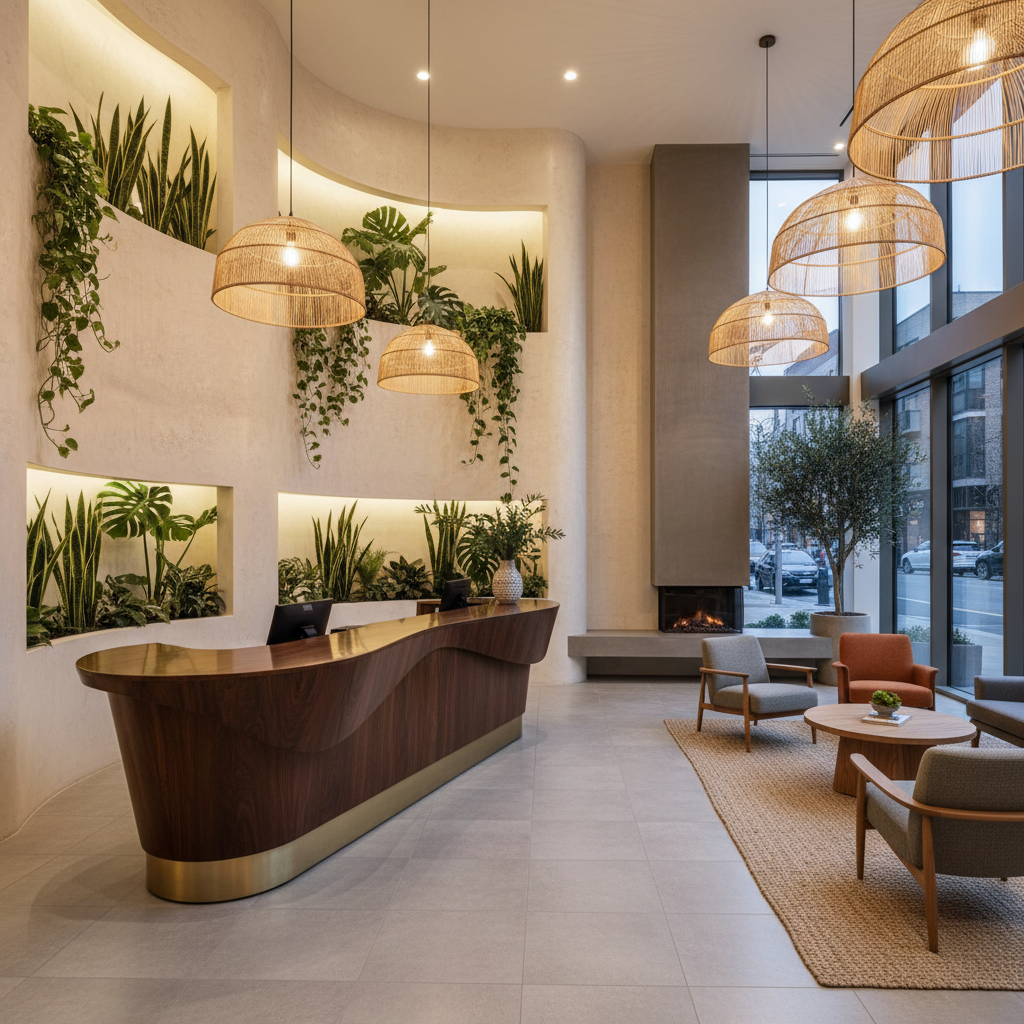
What we treat
- Break room, kitchenette and pantry odor removal
- Restroom and biological odor treatment
- Carpet, cubicle and soft-goods deodorization
- HVAC and return-air treatment
- After-hours and weekend scheduling
Service area
We serve homes and businesses within roughly 20 miles of our Denver facility, including Aurora, Lakewood, Arvada, Westminster, Thornton, Centennial, Englewood, Littleton, Highlands Ranch and Wheat Ridge.
See all service areasThe Science of Persistent Office Odors
Office odors are frequently complex mixtures of volatile organic compounds (VOCs) and semi-volatile organic compounds (SVOCs). Sources can include residue from tobacco smoke, which contains thousands of chemicals including nicotine, polycyclic aromatic hydrocarbons (PAHs), and tobacco-specific nitrosamines (TSNAs). These compounds are notorious for adsorbing onto surfaces and permeating porous materials, creating what is known as third-hand smoke. Another common source is microbial growth (mold and bacteria) in hidden areas such as behind walls or under flooring, producing MVOCs like geosmin and 2-methylisoborneol. Food odors, particularly from deep-fried items or strong spices, contain lipid and protein residues that volatilize and adhere to surfaces. These odor molecules feature polar and non-polar regions, allowing them to bond through van der Waals forces and hydrogen bonding to materials like gypsum board, cellulose fibers in carpet and insulation, and paint films. Once embedded, simple ventilation or superficial cleaning cannot disrupt these bonds, leading to continuous off-gassing and a lingering smell.
Why Standard Office Cleaning and Air Fresheners Fail
Many conventional approaches to office odor elimination fall short because they do not address the molecular root of the problem. Air fresheners are designed to mask odors with stronger, often perfumed, scents. This provides a temporary sensory illusion but does not remove or chemically alter the odor compounds themselves. Once the masking agent dissipates, the original odor returns. Standard janitorial cleaning services typically focus on surface contaminants and visible dirt; their cleaning agents and methods are not formulated to penetrate porous materials or chemically neutralize embedded odors. Painting over smoke-damaged walls might trap some surface odors temporarily, but VOCs can often leach through new paint over time, especially if the underlying contamination is heavy. Ozone generators, often marketed for odor removal, are problematic. The EPA states that ozone generators, when used at concentrations that react significantly with airborne odors, create an indoor environment that is hazardous to human respiratory health. Furthermore, ozone has limited penetration into materials and does not effectively address odors deeply absorbed within carpets, drywall, or furniture upholstery. True odor removal requires a method that breaks down or permanently binds these molecules at a sub-surface level.
Our Comprehensive Office Odor Inspection Process
Our odor inspection for office environments is a detailed process designed to identify all sources of contamination. We begin with a thorough visual inspection, examining all surfaces (walls, ceilings, floors, cabinetry, HVAC vents) for visible residues, discoloration, or moisture indicators. We use a high-intensity UV light to detect biological residues or hidden spills that might not be visible under normal lighting. An industrial borescope allows us to inspect hidden cavities, such as inside walls or ductwork, for mold or pest activity. We utilize moisture meters to identify areas of elevated moisture content in drywall, subflooring, and insulation, which could indicate conditions conducive to microbial growth leading to MVOCs. Thermal imaging cameras can reveal temperature differentials that might point to air leaks or hidden moisture. Throughout this inspection, we ask detailed questions about the building's history, previous tenants, known incidents (leaks, fires), and the type of business operations conducted, as these factors significantly influence the nature and distribution of odor contaminants. This methodical approach ensures we develop an accurate understanding of the odor profile and its embedded sources.
Our Chlorine Dioxide Treatment Methodology
Our primary treatment for persistent office odors involves the controlled deployment of chlorine dioxide (ClO2) vapor. ClO2 is a highly effective oxidant that reacts with and irreversibly breaks down odor-causing molecules through a process called oxidation. Unlike masking agents, ClO2 chemically alters the structure of the odor molecule, neutralizing it rather than simply covering it up. The initial step involves meticulous surface preparation, including thorough HEPA vacuuming and cleaning of accessible hard surfaces to remove any particulate matter that could hinder ClO2 penetration. Following this, the office space is sealed, and a precise concentration of ClO2 gas is generated and introduced into the environment. This gas deeply penetrates porous materials like carpets, upholstery, drywall, and even HVAC ductwork where odor molecules are embedded. The dwell time, typically 6 to 24 hours, is carefully calculated based on the contamination level and material types to ensure sufficient molecular interaction. After the treatment, the space is thoroughly ventilated using high-volume air movers to purge residual ClO2 gas. This leaves the space odor-free with no lingering chemical residue, as ClO2 naturally breaks down into harmless salts and water.
Specialized Equipment for Comprehensive Odor Remediation
Effective office odor removal relies on a suite of specialized equipment. For initial cleaning and particulate removal, we utilize commercial-grade HEPA (High-Efficiency Particulate Air) vacuums. These vacuums capture microscopic particles, including biological allergens and fine dust, down to 0.3 microns with 99.97% efficiency, preventing their recirculation. Our main treatment tool is the ClO2 gas generator, which precisely produces tailored concentrations of chlorine dioxide vapor. We employ various models depending on the volumetric size and complexity of the office space. Monitoring equipment includes sensitive electrochemical ClO2 sensors to ensure target concentrations are maintained and to verify safe post-treatment clearance levels. Hygrometers are used to measure ambient humidity, as moisture content can influence the efficacy of certain treatments. Particle counters help us assess indoor air quality before and after treatment by quantifying airborne particulate matter. High-volume industrial air movers and axial fans are critical for rapid post-treatment ventilation, ensuring the quick and safe removal of residual gases. For areas with very heavy surface residue, such as tar from smoke, we may also employ thermal fogging with specialized cleaning solutions prior to ClO2 application to break down and lift stubborn films that can trap odors.
Special Cases and Considerations for Office Environments
Office environments present several unique challenges for odor removal. Heavy contamination, such as from long-term smoking in a specific executive office or a significant fire in a breakroom, requires more aggressive and prolonged treatment protocols. In such cases, permeable materials may necessitate extended ClO2 dwell times or even repeat applications. When dealing with spaces that will house sensitive occupants, such as those with respiratory issues or chemical sensitivities, we exercise an even higher degree of caution during ventilation and clearance verification, emphasizing a rigorous post-treatment air quality assessment. Historic offices or those in older buildings often contain materials like plaster walls, antique wood paneling, or specific furniture that require careful assessment to avoid damage, ensuring our ClO2 gas treatment is appropriately calibrated. High-value assets, including specialized computer equipment, irreplaceable documents, or expensive art, must be carefully protected, removed, or isolated prior to treatment to prevent any potential interaction with active ClO2 gas. Our methodology is adapted to balance effective odor removal with preservation of building integrity and assets.
Office Odor Project Timeline and Expectations
The timeline for an office odor removal project varies depending on the size of the space, the severity of the odor, and the materials present. Typically, our on-site presence for preparation, gas generation, and ventilation spans 1 to 3 days for an average office suite. The initial preparation, including HEPA vacuuming and sealing the space, usually takes a few hours. Following this, the ClO2 gas generation and active treatment (dwell time) generally last between 6 and 24 hours. During this period, the office space must be completely evacuated, with no human or animal occupancy. After the active treatment, a critical ventilation phase begins, involving dedicated air movers to purge the ClO2 gas from the building. This ventilation can take several hours, depending on air exchange rates and outdoor conditions. We monitor ClO2 levels with sensitive sensors throughout the ventilation process to ensure they drop below safe re-entry thresholds, typically below 0.1 ppm, in accordance with NIOSH and OSHA guidelines. Re-entry is permitted only after these levels are verified safe, and there is no discernible ClO2 scent remaining.
When Material Replacement Becomes Necessary
While our ClO2 oxidation treatment is highly effective for embedded odors, there are instances where certain materials are too heavily saturated to be fully remediated and require replacement. For instance, carpet padding beneath heavily contaminated carpeting, particularly from long-term pet odors or severe smoke, often absorbs contaminants to a degree that makes complete odor removal impractical without removing the padding itself. Similarly, if drywall has been saturated with liquid contaminants (e.g., severe urine, sewer backups), sections may need to be cut out and replaced. HVAC filters, being designed to capture airborne particulates, can become heavily laden with odor molecules and biological residues; these should always be replaced as part of a comprehensive treatment. Insulation, especially fibrous types like batt or blown-in insulation, can act as a deep reservoir for odors and may require removal if heavily contaminated. We provide an honest assessment during our inspection regarding materials that are likely to benefit from treatment versus those that would be more effectively addressed by replacement, ensuring the most complete and lasting odor resolution.
Denver Metro Area Considerations for Odor Control
Odor removal in the Denver metro area, spanning cities like Denver, Aurora, and Lakewood, presents specific environmental factors that influence our methodology. The higher altitude (approximately 5,280 feet) can affect gas diffusion rates and chemical reaction kinetics, prompting adjustments to ClO2 generation and dwell times to ensure optimal penetration and efficacy. Denver's typically dry winter climate can aid in the thorough drying of materials after any pre-cleaning, which is beneficial for ClO2 treatment, but conversely, very low humidity can also impact the subtle chemistry of gas dispersal. Wildfire season, which can bring smoke into the Denver area for extended periods, introduces airborne particulate matter and associated odors that can complicate existing odor issues or serve as a new source of contamination; our HEPA-filtered equipment is particularly useful in these scenarios. Additionally, while not directly affecting our treatment chemistry, understanding local Homeowners Association (HOA) regulations or commercial building rules in areas like Cherry Hills Village or LoDo can be important for coordinating access, equipment placement, and waste disposal, ensuring a smooth and compliant operation within your office building.
Post-Treatment Verification and Guarantee
Upon completion of the ClO2 treatment and ventilation, the office space undergoes a final verification to confirm the successful elimination of odors. Our technicians conduct a thorough olfactory assessment to ensure the targeted odors are no longer present. We also perform a visual inspection to confirm no residues or damage remain from the treatment process. Following this, we encourage the client's representative to perform their own independent assessment. We stand behind our work with a clear service guarantee: if the original odor returns within a specified period under normal occupancy conditions, we will re-evaluate the space and re-treat if necessary at no additional cost. We also provide guidance on maintaining an odor-free environment, which may include recommendations for improved ventilation, routine cleaning protocols, or addressing underlying moisture issues. Our objective is a complete and lasting resolution to your office odor concerns, ensuring a fresh and inviting workspace for all occupants.
Frequently asked questions
What types of odors can your service remove from an office?+
We address a wide range of persistent odors, including those from tobacco smoke (third-hand smoke), fire and smoke damage, microbial volatile organic compounds (MVOCs) from mold and mildew, pet accidents, cooking residues, and general long-term occupancy odors that permeate porous materials. Our chemical oxidation process breaks down the odor-causing molecules, ensuring comprehensive neutralization.
Is the chlorine dioxide treatment safe for office furniture and electronics?+
Chlorine dioxide gas, in the concentrations we use, is generally safe for typical office furniture, including most woods, metals, plastics, and fabrics. However, sensitive electronics, valuable documents, and artwork are typically removed from the treatment area or carefully protected to prevent any potential interactions. Our technicians assess the space and advise on specific items requiring attention before treatment.
How long will our office be inaccessible during the odor removal process?+
The office space typically needs to be evacuated for 1 to 3 days. This includes the initial setup and sealing, the active ClO2 gas treatment (dwell time, usually 6-24 hours), and the crucial post-treatment ventilation phase. We continuously monitor ClO2 levels to ensure they are below safe re-entry thresholds before the space is declared clear for occupancy.
Can you remove odors from our HVAC system?+
Yes, our chlorine dioxide gas circulates throughout the entire enclosed space, including the HVAC ductwork, effectively addressing absorbed odors within the system. Prior to treatment, we advise replacing HVAC filters, as they collect particulate matter and microbial growth that can harbor odors and reduce air quality. We ensure the HVAC system is set to recirculate during treatment to maximize penetration into the ductwork.
Will the treatment leave any residue or chemical smell?+
No. Chlorine dioxide is a gas that acts by oxidation, chemically altering the odor molecules. After the treatment, the space is thoroughly ventilated to purge any residual gas. ClO2 naturally breaks down into harmless salts and water, leaving no detectable chemical residue or masking fragrance, only fresh, neutral air.
What if the odor returns after your treatment?+
We stand by the effectiveness of our methodology. If the original odor you hired us to remove returns under normal operating conditions within a specified timeframe, we will re-evaluate the office space and re-treat as necessary, at no additional cost. This guarantee underscores our commitment to a permanent odor solution.
Do I need to do anything to prepare the office before your team arrives?+
For optimal results, we recommend thorough cleaning of the office, including vacuuming and wiping down surfaces, to remove any loose debris or surface grime. Any sensitive documents, electronics, valuables, or live plants should be removed from the area. We provide a detailed preparation checklist tailored to your specific office environment before service begins.
Does your process remove mold odors, and if so, does it kill mold?+
Our chlorine dioxide treatment is effective at neutralizing volatile organic compounds (MVOCs) produced by mold, thereby eliminating the associated musty odors. However, while ClO2 can have some effect on surface mold, it is not a direct mold remediation treatment. If active mold growth is present, it must be physically removed by a qualified mold remediator prior to our odor treatment to prevent its return.
How does your method differ from using an ozone generator?+
Our method, utilizing chlorine dioxide oxidation, is distinct from ozone. While both are oxidizers, the EPA cautions that ozone is a lung irritant and concentrations sufficient to remove odors are generally unsafe for occupied spaces. Ozone also has limited penetration. ClO2 is a more effective and safer oxidizer for deep penetration into porous materials, permanently neutralizing deeply embedded odor molecules without the same health risks when properly applied and ventilated.
Is a pre-job inspection necessary, or can I get a quote over the phone?+
A thorough on-site inspection is crucial for effective odor removal in office environments. This allows us to accurately identify all odor sources, assess the extent of contamination, identify material types, and recognize any specific challenges (e.g., hidden moisture, sensitive equipment). This detailed assessment allows for the development of a precise treatment plan and an accurate service quote.
IICRC-credentialed. 42+ years of odor removal experience. Thousands of completed odor removal projects across the Denver metro.
Reviewed and updated: .
Related in Commercial, Rental & Real Estate
Request office pricing
Honest quote, fast scheduling, fully guaranteed work.
- 100% Satisfaction Guarantee
- Eco-friendly, non-toxic, pet and kid safe
- Same-day response on most requests