Commercial Odor Removal Denver Colorado
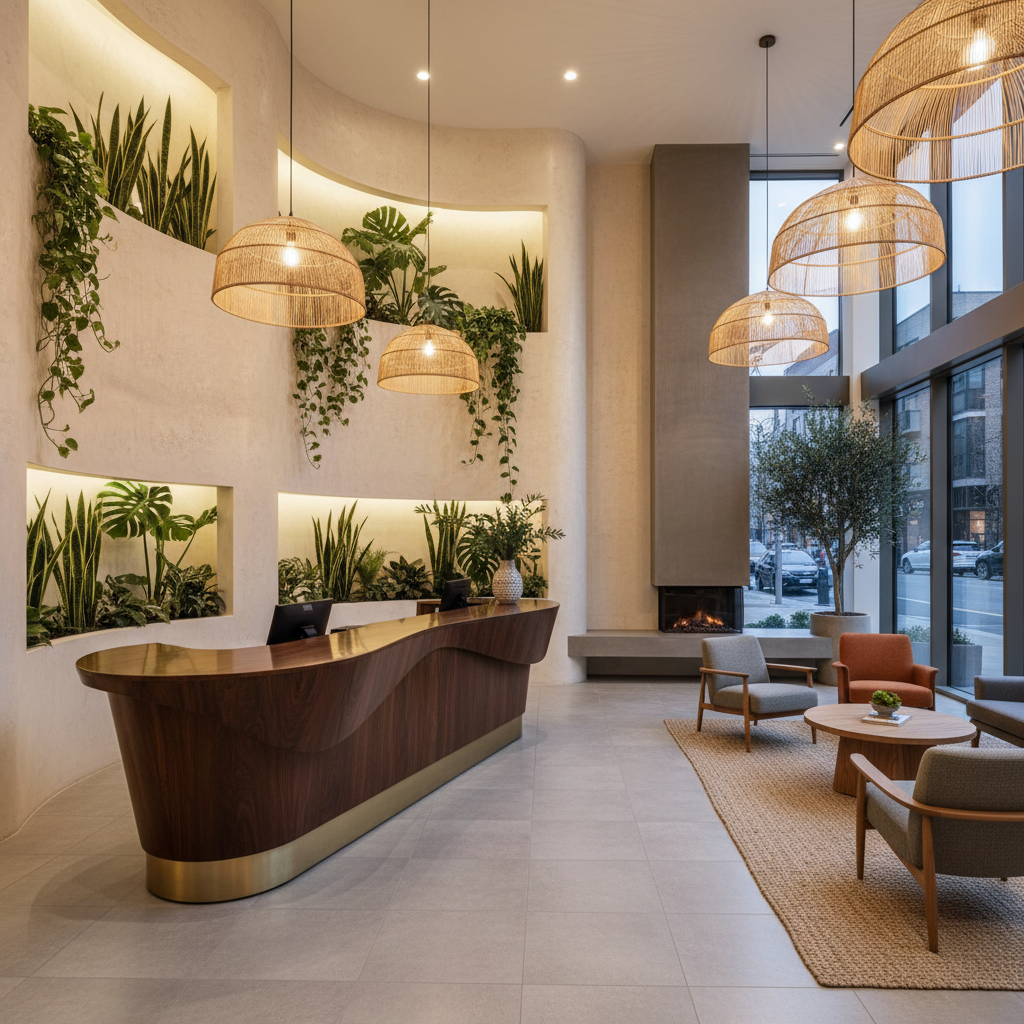
We treat commercial spaces around your operating hours: hotels, offices, gyms, locker rooms, care facilities, restaurants, retail and warehouse. Our process is fast, contained, and does not require the extended downtime of ozone or older methods.
What we treat
- Retail and showroom deodorization
- Restaurant kitchen and dining room odor
- Warehouse, storage and industrial odor
- Healthcare and care facility programs
- After-hours, weekend and recurring service
Service area
We serve homes and businesses within roughly 20 miles of our Denver facility, including Aurora, Lakewood, Arvada, Westminster, Thornton, Centennial, Englewood, Littleton, Highlands Ranch and Wheat Ridge.
See all service areasThe Science of Persistent Commercial Odors
Commercial facilities are exposed to diverse odor challenges, each with an underlying molecular mechanism. In retail spaces, odors can originate from product packaging, manufacturing residues, chemical spills, or even human activity within fitting rooms or public restrooms. These often involve various VOCs and semi-volatile organic compounds (SVOCs). Warehouses commonly encounter odors from stored goods (e.g., chemicals, food, agricultural products), vehicle exhaust, or pest infestations, leading to complex mixtures of mVOCs. Healthcare facilities face challenges with odors from biological fluids, medications, disinfectants, and cleaning agents, which often contain ammonia, hydrogen sulfide, sulfides, and various nitrogenous compounds. Hospitality venues contend with cooking odors (lipids, proteins), smoke residue (pyridines, phenols, polycyclic aromatic hydrocarbons), and general occupancy odors (fatty acids, aldehydes). Many of these odor-causing molecules are small enough to penetrate and bond with porous materials like carpets, upholstery, drywall, and insulation, and some can even be absorbed into non-porous surfaces such as painted walls, plastics, and metals. Once embedded, they are continuously released into the air through a process called off-gassing. This molecular adsorption and absorption explains why odors can linger for extended periods, making simple ventilation or surface cleaning insufficient. The interaction of these mVOCs with building materials is complex and depends on factors like material porosity, environmental humidity, temperature, and the specific chemical properties of the odorant.
Why Common Odor Fixes Fail in Commercial Settings
Many common approaches to addressing commercial odors provide only temporary relief or are entirely ineffective because they do not neutralize the odor-causing molecules. Air fresheners and diffusers, for example, function by introducing pleasant fragrances that temporarily mask objectionable odors. They do not remove or chemically alter the mVOCs responsible for the smell. Once the masking agent dissipates, the original odor re-emerges. Similarly, standard HVAC filtration systems, even those with activated carbon filters, are often not robust enough to capture and retain all types of mVOCs effectively, especially in high concentrations or over prolonged periods. Painting over odors is a temporary measure at best. While a fresh layer of paint can encapsulate some odor molecules, many smaller mVOCs can migrate through paint films over time, or the solvents in new paint can reactivate trapped odorants. Carpet shampooing and surface cleaning, while crucial for hygiene, primarily address surface-level contaminants. Odor molecules frequently permeate carpet fibers, padding, and sub-flooring, areas that typical cleaning methods cannot reach. Ozone generators are frequently marketed for odor removal, but their efficacy for embedded odors is limited at safe concentrations. The Environmental Protection Agency (EPA) warns that ozone, at concentrations high enough to be effective in odor remediation, is harmful to human respiration and can damage materials. Ozone's oxidation capacity is often insufficient to fully break down embedded mVOCs in porous materials without causing harm to facility occupants or property.
Our Comprehensive Commercial Odor Inspection Process
A thorough odor assessment is the critical first step in addressing commercial odors. Our inspection begins with a detailed walkthrough of the affected areas, identifying potential odor sources and evaluating the extent of contamination. We interview facility staff, managers, and occupants to understand the history of the odor, its perceived intensity, and its specific characteristics (e.g., smoky, musty, chemical, biological). We utilize specialized tools to help pinpoint odor locations and assess environmental conditions. This includes advanced particle counters to identify microscopic particulates that may carry odor molecules, and sensitive digital hygrometers to measure humidity levels, which can influence odor persistence and material adsorption. Thermal imaging cameras may be used to detect potential moisture sources hidden behind walls, which can contribute to microbial odors. Our assessment also considers the type of building materials present, such as carpet, drywall, wood, concrete, and their porosity, as this dictates how deeply odor molecules may have penetrated. We carefully examine HVAC systems to determine if they have been recirculating contaminated air, inspecting filters, coils, and ductwork for residues. For suspected biological odors, we may use ATP (adenosine triphosphate) meters to detect biological activity on surfaces. This systematic approach allows us to create a precise remediation plan tailored to the unique challenges of each commercial property, ensuring that all aspects of the odor problem are identified and addressed.
Advanced Chlorine Dioxide (ClO2) Treatment Methodology
Our primary treatment for commercial odors leverages the powerful oxidative properties of chlorine dioxide (ClO2), a highly effective and studied odor neutralizer. The process begins with meticulous preparation of the affected commercial space. All easily removable items, particularly electronics, valuable documents, and sensitive materials, are removed or carefully protected. HVAC systems are typically shut down and often sealed off to prevent dispersion of ClO2 into unaffected zones and allow for targeted treatment. All doors and windows are sealed to create an enclosed environment for controlled vapor application. Our ClO2 generators are then strategically placed throughout the space. Upon activation, these generators produce ClO2 gas, which is a powerful oxidant. Unlike ozone, ClO2 physically breaks down the molecular bonds of odor-causing compounds through a process of oxidation. This means that instead of masking the odor, ClO2 chemically alters the mVOCs, destroying their structure and rendering them odorless. The gas penetrates deeply into porous materials, including carpet fibers, fabrics, drywall, wood, and even concrete, reaching embedded odor molecules that surface cleaning cannot. The treatment involves a carefully calculated dwell time, typically several hours, to allow adequate contact between the ClO2 gas and the odor molecules. The specific concentration and dwell time are determined during the inspection, based on odor severity, affected materials, and facility size. Following the dwell period, the space undergoes thorough ventilation, often utilizing specialized air scrubbers and exhaust fans, to remove residual ClO2 gas until the area is safe for re-entry and ClO2 levels are below occupational exposure limits.
Specialized Equipment for Commercial Odor Remediation
To ensure effective and targeted odor remediation in commercial settings, we deploy a range of specialized equipment. Our core technology involves advanced ClO2 gas generators, which safely and efficiently produce chlorine dioxide gas at controlled concentrations. These units are designed for large-volume applications characteristic of commercial spaces, ensuring uniform gas distribution for comprehensive penetration. For pre-treatment or post-treatment cleaning, we utilize industrial-grade HEPA (High-Efficiency Particulate Air) vacuum extractors and air scrubbers. HEPA filtration is critical for removing particulate matter that can carry odor molecules or allergens, down to 0.3 microns with 99.97% efficiency, reducing the overall bio-burden and particulate load in the air. We also use professional-grade thermal foggers in specific situations, such as for applying encapsulants or odor neutralizers in liquid form into inaccessible areas like ductwork or wall cavities, especially where ClO2 gas penetration might be challenging. During and after treatment, the atmospheric conditions are continuously monitored using precision electronic instruments. This includes digital hygrometers for measuring relative humidity, which is a key factor in odor adsorption and ClO2 reaction kinetics, and temperature gauges. Photoionization Detectors (PIDs) are employed to detect and quantify residual mVOCs, providing objective data on odor reduction. Multi-gas meters are used to verify the safe dissipation of ClO2 gas before re-occupancy, ensuring that ClO2 levels are well below permissible exposure limits. This suite of equipment allows for precise control, monitoring, and verification of the odor remediation process.
Considering Complex Cases in Commercial Odor Remediation
Commercial facilities often present complex odor situations. Heavy contamination, such as that resulting from significant fires, extensive biological events, or long-term chemical spills, necessitates a more intensive approach. In these scenarios, preliminary surface cleaning, targeted demolition of heavily saturated materials (e.g., water-damaged drywall, smoke-infused insulation), or multiple ClO2 treatments may be required to achieve complete odor removal. When dealing with sensitive occupants, such as in healthcare facilities or childcare centers, specific considerations are paramount. This involves carefully scheduled treatment times to minimize disruption and ensure extra ventilation protocols are followed to achieve exceptionally low post-treatment air concentrations. Communication with facility management regarding re-entry protocols and air quality verification is crucial. Historic commercial buildings or those housing high-value assets (e.g., museums, data centers, specialized manufacturing facilities) demand meticulous planning to prevent any potential damage to delicate structures, artifacts, or sensitive equipment. In such instances, localized treatments, lower ClO2 concentrations over longer dwell times, or the use of targeted encapsulation methods may be employed after thorough material compatibility testing. Our assessment process specifically addresses these challenging scenarios, integrating risk mitigation strategies and custom protocols to protect assets and ensure safety while effectively neutralizing odors. This may involve extensive pre-treatment documentation, specialized sealing techniques, and continuous environmental monitoring during the entire process.
Typical Timeline and Re-Entry Protocol
The timeline for commercial odor remediation varies based on the size of the facility, the severity of the odor, and the types of materials involved. Generally, the on-site preparation phase, including removal of sensitive items, sealing off the area, and setting up equipment, can range from a few hours for a small office to a full day or more for a large retail space or warehouse. The ClO2 gas generation and dwell time usually last between 6 to 24 hours. This duration allows the ClO2 gas adequate time to penetrate porous materials and react with the embedded odor molecules. Following the dwell period, a crucial ventilation phase begins. This involves actively exhausting the ClO2 gas from the treated area, typically utilizing high-volume air movers and negative air machines that vent to the exterior. This ventilation phase can take anywhere from 4 to 12 hours, depending on the building's HVAC system, air exchange rates, and the initial ClO2 concentration. Before re-entry, we perform air quality testing using specialized meters to ensure that ClO2 levels are well below Occupational Exposure Limits (OELs) established by regulatory bodies, often aiming for non-detectable levels. Once air quality is verified, the space is safe for re-occupancy. Facility managers and occupants can expect to return to a neutral-smelling environment. While the process itself requires temporary evacuation, the overall duration is designed to be as efficient as possible to minimize operational disruption for commercial businesses.
When Replacement is the More Prudent Option
While chlorine dioxide treatment is highly effective for a wide range of embedded odors, there are specific situations where component replacement is a more practical and cost-effective approach. Materials that are heavily saturated with highly persistent odors, such as certain types of chemical spills, extensive pet urine contamination reaching the subfloor, or severe meth residue, may have absorbed odor molecules too deeply or aggressively to be fully neutralized by oxidation alone. For instance, carpet padding beneath heavily contaminated carpet often acts as a significant odor reservoir; if the padding is deeply saturated, replacement of both the carpet and padding might be necessary. Drywall sections that have absorbed significant amounts of sewer gases, smoke from direct flame impingement, or severe biological contaminants may require removal and replacement, as the porous gypsum can become irrevocably infused with odorants or damaged by their presence. Similarly, heavily contaminated HVAC filters are always replaced, and in cases of severe ductwork contamination (e.g., large-scale mold growth, fire residue throughout, pest infestations), cleaning and sealing may be insufficient, necessitating partial or full duct replacement. Insulation materials, particularly fiberglass batts, can absorb and hold odors tenaciously due to their large surface area and fibrous structure; if saturated, replacement often proves more effective than treatment. Our inspection process includes a thorough material assessment to advise facility managers on when replacement, rather than treatment, represents the most durable and economical solution, ensuring a lasting odor-free environment.
Denver Metro Area Considerations for Odor Remediation
Odor remediation in the Denver metropolitan area, encompassing cities like Aurora, Lakewood, and Littleton, often presents unique environmental factors that influence treatment efficacy. The altitude of Denver (approximately 5,280 feet above sea level) impacts gas kinetics. At higher altitudes, atmospheric pressure is lower, which can affect the dispersion and reaction rates of gases like chlorine dioxide. While ClO2 is robust, adjustments to generation parameters or dwell times might be considered to ensure optimal penetration and reaction, particularly in larger or more complex commercial spaces. The region's arid climate, especially during the dry winter months, can influence material porosity and the behavior of odor molecules. Low humidity can cause materials to become more brittle and potentially affect how deeply odor molecules are adsorbed. Conversely, low humidity might also facilitate off-gassing, making odors more noticeable. Wildfire season, an increasing concern in Colorado, can introduce significant smoke odors into commercial buildings, even those not directly impacted by fire. These smoke odors, composed of complex polycyclic aromatic hydrocarbons (PAHs) and other particulate matter, require specific strategies for removal, which ClO2 is effective against. Finally, compliance with local building codes, occupancy regulations, and HOA rules in commercial properties throughout the Denver metro area is always a consideration. Our protocols ensure that all remediation efforts comply with these local guidelines, and we are accustomed to working within such frameworks during the planning and execution phases of our services.
Post-Treatment Verification and Long-Term Assurance
Following the completion of the ClO2 treatment and thorough ventilation, our process includes a critical verification step. This involves a final walkthrough and air quality assessment to confirm the successful neutralization of odors. We utilize our specialized instrumentation, such as Photoionization Detectors (PIDs), to re-check for residual mVOCs and ensure that the treated environment meets our rigorous standards for odor neutrality. Our primary method of verification is sensory inspection by individuals whose olfactory systems can detect even very subtle odor remnants, confirming a truly neutral airspace. We provide a follow-up assessment within a specified period to ensure the lasting effectiveness of our treatment. This allows facility managers to operate their businesses confidently, knowing that the odor issue has been comprehensively addressed. We stand behind our methodology; if the treated odor re-emerges within our specified guarantee period, we will re-evaluate the premises and conduct a re-treatment as necessary, focusing on the original odor source that was the subject of the initial service. Our intent is to provide a durable solution that resolves the odor problem, rather than merely mitigating it temporarily, giving businesses in the Denver metro area peace of mind.
Frequently asked questions
What types of commercial facilities do you provide odor removal services for?+
We provide comprehensive odor removal services for a wide range of commercial facilities, including retail stores, warehouses and distribution centers, healthcare clinics and medical offices, hotels and hospitality venues, office buildings, manufacturing facilities, and multi-tenant commercial properties throughout the Denver metropolitan area. Our methods are adaptable to various building types and materials.
How does chlorine dioxide (ClO2) work to remove odors?+
Chlorine dioxide (ClO2) is a potent gaseous oxidant. When dispersed into a contaminated space, it reacts with the molecular structure of odor-causing compounds (mVOCs). This oxidation process breaks down and chemically alters these molecules, effectively neutralizing them. Unlike masking agents, ClO2 permanently changes the odorant, rendering it inert and odorless, without leaving a residual fragrance.
Is chlorine dioxide treatment safe for my commercial property and its contents?+
Yes, when applied and managed by trained personnel, ClO2 treatment is safe for commercial properties and most contents. We take extensive precautions, including isolating and ventilating HVAC systems and covering or removing sensitive items like electronics and valuable documents. ClO2 dissipates completely after treatment, leaving no harmful residues. Safety protocols are paramount throughout the entire process.
What kind of odors can ClO2 effectively remove from commercial spaces?+
ClO2 is highly effective against a broad spectrum of commercial odors. This includes odors from tobacco smoke and cannabis, wildfire smoke, biological decomposition (e.g., animal waste, human decomposition remnants), cooking odors, mold and mildew (as an odor degrader, not a mold remediator), chemical spills and residues, general persistent 'stale' building odors, and former occupant odors. It addresses the molecular source.
Do I need to vacate the premises during the odor removal process?+
Yes, occupants must vacate the immediate treatment area during the ClO2 gas generation and dwell time. This is a critical safety measure to prevent exposure to the active gas. Our specific protocols ensure the space is thoroughly ventilated and air quality verified (monitoring for ClO2 levels below occupational exposure limits) before re-entry is permitted, typically within 4-12 hours after the dwell period.
How long does a typical commercial odor removal service take?+
The duration of a commercial odor removal service varies depending on the size of the area, the severity of the odor, and the types of materials involved. The entire process, including setup, ClO2 dwell time (6-24 hours), and post-treatment ventilation, usually takes between 18 to 48 hours for most commercial spaces, minimizing disruption to your operations.
Will the treatment affect my HVAC system or ductwork?+
Before treatment, we typically shut down and often seal off HVAC systems to prevent ClO2 from entering unaffected areas and to allow for targeted treatment. If the HVAC system or ductwork is a source or carrier of the odor, we can specifically treat it. We inspect filters and recommend replacement if contaminated. ClO2 generally does not harm HVAC metal components but can degrade rubber gaskets over long exposure.
What if the odor returns after treatment?+
We stand by our work. If the original odor that was the subject of our treatment re-emerges within our specified guarantee period, we will return to re-evaluate the premises and conduct a re-treatment as necessary. Our goal is to provide a lasting solution, not a temporary fix, for commercial odor issues.
Is ozone used in your odor removal process?+
No, we do not use ozone for odor removal. The Environmental Protection Agency (EPA) and other reputable health organizations have indicated that ozone, at concentrations high enough to be effective in odor remediation, is harmful to human health and can damage materials. Our method relies on chlorine dioxide (ClO2), which is a distinct and safer oxidant when properly managed.
What information do you need during the initial consultation for a commercial odor problem?+
During the initial consultation, we typically inquire about the history of the odor, including when it started, its perceived intensity, what might have caused it, and any previous attempts at remediation. We also need information about the facility's square footage, building materials, and any specific areas of concern. This helps us formulate an accurate assessment and a tailored remediation plan.
IICRC-credentialed. 42+ years of odor removal experience. Thousands of completed odor removal projects across the Denver metro.
Reviewed and updated: .
Related in Commercial, Rental & Real Estate
Request commercial pricing
Honest quote, fast scheduling, fully guaranteed work.
- 100% Satisfaction Guarantee
- Eco-friendly, non-toxic, pet and kid safe
- Same-day response on most requests