
Hotel Odor Removal Denver Colorado
Guests do not forgive hotel odor. Non-smoking rooms that were smoked in, corridors with cannabis intrusion, and moldy rooms after a leak all need to be back online tonight, not next week. Our process turns rooms in hours, not days.
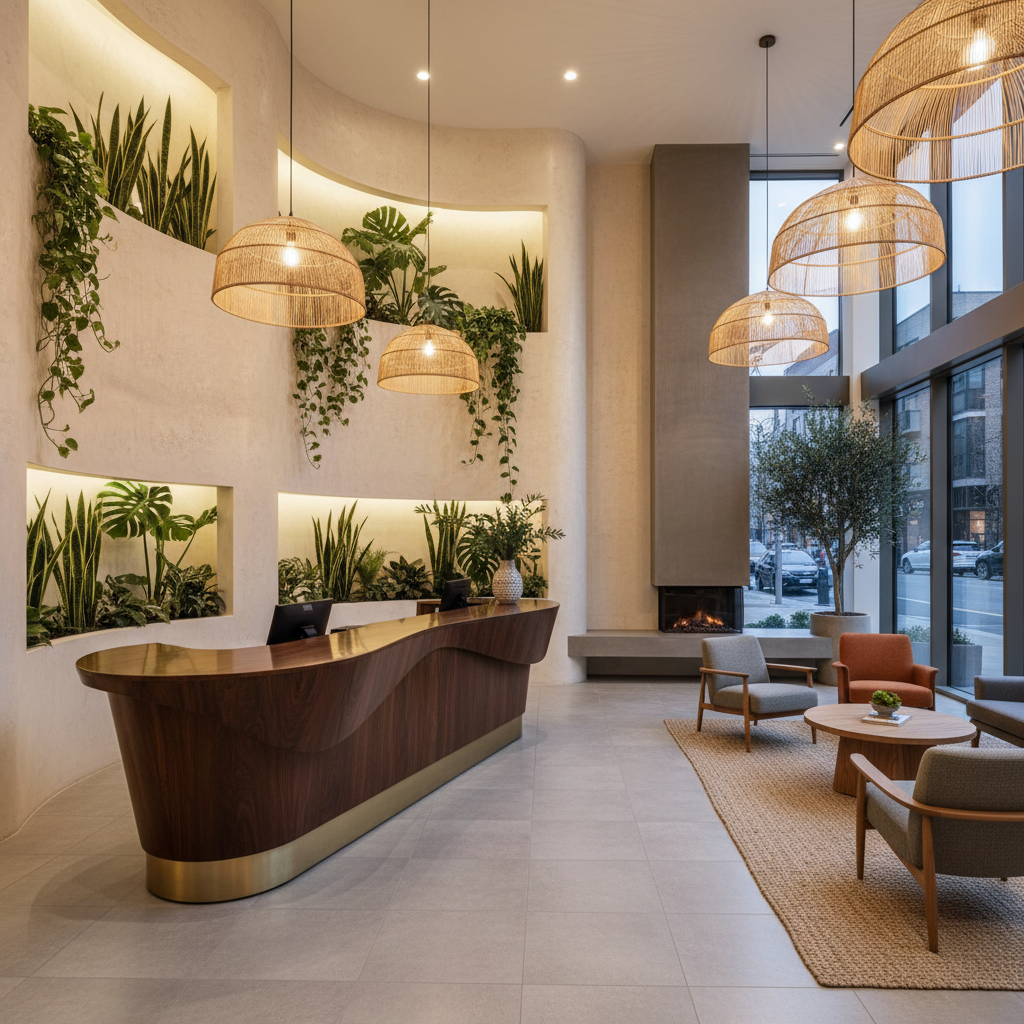
What we treat
- Non-smoking room smoke recovery
- Cannabis intrusion in corridors and HVAC
- Post-leak musty and biological odor
- Full-property programs for select and full-service hotels
- After-hours scheduling around occupancy
Service area
We serve homes and businesses within roughly 20 miles of our Denver facility, including Aurora, Lakewood, Arvada, Westminster, Thornton, Centennial, Englewood, Littleton, Highlands Ranch and Wheat Ridge.
See all service areasThe Molecular Science of Persistent Hotel Odors
Persistent odors in hotel environments are a complex mixture of various volatile and semi-volatile organic compounds (VOCs and SVOCs) originating from diverse sources. Tobacco smoke, for instance, deposits a complex cocktail of over 7,000 chemicals, many of which are odoriferous, into porous materials. These include pyridine, nicotine, formaldehyde, benzene, and various phenols and cresols. These compounds readily adsorb onto surfaces like drywall, drapes, carpet fibers, and upholstery. Over time, these adsorbed compounds off-gas, creating the typical 'stale smoke' odor. Beyond smoke, other sources contribute significantly. Human occupancy introduces skin oils, sweat, and breath VOCs (e.g., carboxylic acids like isovaleric acid, originating from bacterial activity). Food and beverage spills, particularly those rich in fats or fermented products, can degrade into malodorous compounds. Furthermore, cleaning products themselves, especially those containing fragrance, can react with existing odors or leave behind their own persistent chemical residues. The persistence of these odors is due to their absorption into the polymer matrix of materials, where they are not easily removed by surface cleaning. The porous nature of many building materials, such as gypsum board and textile fibers, provides a vast surface area and numerous binding sites for these odor molecules. As temperature and humidity fluctuate, these trapped compounds are released back into the air, necessitating a targeted chemical treatment rather than mere masking or topical cleaning.
Limitations of Conventional Hotel Odor Remediation Methods
Many conventional methods employed in hotels for odor control demonstrate limited efficacy against deeply embedded malodors. Air fresheners and deodorizers, while providing immediate sensory relief, function primarily by masking odors through the introduction of stronger, more pleasant fragrances. They do not chemically alter or remove the source odor molecules, leading to a rapid return of the original odor once their effect dissipates. Painting over stained or odor-laden surfaces is often attempted, particularly in former smoking rooms. However, paint acts as a temporary barrier, not a permanent encapsulant. VOCs and SVOCs embedded in the underlying drywall or wood can gradually leach through the new paint layers, resurfacing the odor over time. This phenomenon is particularly evident with tobacco smoke residues. Routine carpet shampooing and upholstery cleaning methods typically address only the surface layers of these materials. Odor molecules, especially those from smoke or organic spills, penetrate deeply into carpet backing, padding, and upholstery foam. While the visible stain may be removed and some surface odor addressed, the bulk of embedded malodors remain, continually off-gassing into the room. Ozone generators are sometimes used in an attempt to oxidize odors. However, the United States Environmental Protection Agency (EPA) explicitly states that ozone generators, when used at concentrations high enough to effectively destroy airborne contaminants and odors, can pose serious health risks to occupants. Furthermore, ozone's effectiveness against deeply embedded odors in porous materials is limited, and it can, in some cases, react with certain compounds to form new, potentially irritating byproducts. For these reasons, Stink Stompers Denver does not use ozone in its odor remediation protocols.
Comprehensive Inspection Protocol for Hotel Odors
Our inspection process for hotel odor issues is designed to precisely identify the source and extent of contamination, informing a targeted and effective treatment plan. We begin by conducting a thorough visual assessment of the affected rooms, corridors, and HVAC systems. This includes examining walls, ceilings, flooring (carpeting, hardwood, tile), upholstery, draperies, and porous furnishings for discoloration, residue, or visible signs of prior contamination (e.g., smoke staining, water damage indicators, food spills). Concurrently, we utilize specialized tools to quantify and map odor sources. A volatile organic compound (VOC) meter is employed to detect and measure total VOC concentrations, providing objective data on ambient air quality and identifying areas with elevated contaminant levels. While VOC meters do not directly measure specific odor compounds, elevated readings in conjunction with perceived odor help pinpoint problem zones. We also use moisture meters on walls, subflooring, and carpet padding to identify potential hidden moisture issues that could be contributing to microbial growth and associated odors. Thermal cameras may be used to detect temperature differentials that could indicate moisture intrusion or HVAC inefficiencies impacting air circulation and odor distribution. Throughout the inspection, we engage with hotel staff to gather critical historical information. This includes details on the room's former use (smoking vs. non-smoking, specific guest incidents), history of complaints, prior cleaning attempts, and HVAC maintenance records. Understanding the history of the space is crucial for interpreting the physical and instrumental findings and developing a strategy that addresses the root cause of the odor rather than merely its symptoms. This multi-faceted approach ensures that our treatment plan is not only effective but also customized to the specific conditions of each affected area.
Precision Chlorine Dioxide Oxidation Treatment Methodology
Our primary odor remediation methodology for hotel environments centers on the controlled application of chlorine dioxide (ClO2) vapor, a highly effective oxidant. This process begins with meticulous surface preparation. All gross contamination, such as food residues, spills, or visible smoke film, must be physically removed through appropriate cleaning. Porous materials like textiles and carpets are thoroughly vacuumed, and hard surfaces are wiped down. This step is critical because ClO2 effectively neutralizes embedded odors, but it is not a cleaning agent for macroscopic debris. After preparation, the affected area is sealed to achieve an airtight environment. All HVAC systems are shut down and sealed at vents to prevent ClO2 migration and ensure optimal concentration within the treatment zone. ClO2 gas is then generated on-site within the sealed space. We utilize advanced ClO2 generation equipment that precisely controls the concentration and delivery of the gas. Unlike ozone, ClO2 is a selective oxidant that targets and chemically alters odor molecules through a process of oxidation, effectively breaking apart their chemical bonds rather than merely masking them. This molecular alteration transforms malodorous compounds into stable, non-odorous byproducts. The ClO2 vapor is allowed a specific dwell time, typically several hours, to penetrate deeply into porous materials (carpeting, drywall, fabrics, wood) where odor molecules are embedded. The exact dwell time and concentration are determined by the severity of the odor and the specific materials present, informed by our initial inspection. Following the dwell period, the area is thoroughly ventilated to purge the ClO2 gas, ensuring safe re-entry. Post-treatment, a verification step is performed. This includes visual inspection, olfactory assessment by trained personnel, and, in some cases, follow-up VOC meter readings to confirm the successful neutralization of odor-causing compounds. This systematic approach ensures a comprehensive and permanent resolution to embedded odors.
Advanced Equipment for Thorough Odor Abatement
The effectiveness of our odor remediation services in hotel settings relies heavily on the deployment of specialized equipment designed for precise application and verification. For initial surface preparation and removal of particulates, we employ HEPA-filtered vacuum cleaners and industrial-grade hot water extraction units for carpets and upholstery. These units ensure the removal of surface-level contaminants and allergenic materials without recirculating fine particles. The core of our treatment involves state-of-the-art chlorine dioxide (ClO2) generation systems. These generators are capable of producing ClO2 gas in a controlled and precise manner, allowing us to adjust concentrations based on the specific odor challenge and square footage of the treatment area. Unlike less precise methods, our systems ensure uniform distribution and optimal penetration of the oxidant into porous materials. To monitor the treatment environment, we utilize digital hygrometers and thermometers to track humidity and temperature, as these factors influence ClO2 efficacy. Particle counters are used post-treatment to verify that airborne particulates have been reduced to acceptable levels, particularly important after any physical cleaning. For comprehensive assessment, our technicians are equipped with advanced volatile organic compound (VOC) meters. These devices provide quantitative readings of total VOCs, helping us identify specific 'hot spots' during inspection and confirm the reduction of odor-causing compounds after treatment. Additionally, air movers and industrial strength ventilation fans are crucial for rapidly purging the ClO2 gas from the treated area, ensuring safe re-occupancy and preventing undue downtime for hotel rooms. This suite of equipment, combined with our methodical process, ensures a thorough and verifiable odor removal.
Addressing Complex and Severe Odor Scenarios in Hospitality
Certain circumstances in a hotel environment present unique challenges for odor abatement beyond typical guest room issues. Heavy contamination, such as rooms with a prolonged history of heavy smoking or significant biological fluid spills, requires a more intensive approach. In these cases, it may be necessary to remove and replace specific heavily saturated materials, such as carpet padding, certain sections of drywall, or HVAC filters, prior to ClO2 treatment. This pre-emptive removal prevents these supersaturated materials from acting as perpetual odor reservoirs. For properties with sensitive occupants, such as those with respiratory conditions, or historical properties where material preservation is paramount, our process is adjusted to minimize disruption and protect delicate finishes. This might involve lower ClO2 concentrations over longer dwell times or more focused spot treatments if the contamination is localized. High-value assets, including antique furnishings, sensitive electronics, or unique art installations within hotel suites or common areas, require particular care. Our ClO2 gas treatment is generally safe for most materials, but a pre-treatment assessment is always conducted to identify any potentially susceptible items. In rare cases, sensitive items may need to be temporarily removed or specially protected to avoid any unintended effects. For example, some unsealed natural wood or certain types of unfinished metals can react with high concentrations of ClO2. Our comprehensive pre-inspection and detailed communication with hotel management ensure these special considerations are addressed, and any necessary precautions are taken to safeguard the property's assets while effectively neutralizing the odor problem.
Project Timeline, Dwell Period, and Re-Entry Protocols
Effective odor remediation in a hotel setting involves a structured timeline to minimize impact on operations while ensuring thorough treatment. The on-site duration typically varies depending on the size and number of affected rooms and the severity of the odor. A single guest room (approximately 300-400 square feet) can generally be prepared, treated, and ventilated within a 12 to 24-hour cycle. The initial inspection and preparation phase, which includes sealing the room and removing any gross contaminants, usually takes 1 to 2 hours per room. Following preparation, the chlorine dioxide (ClO2) gas is generated within the sealed space. The critical 'dwell time,' during which the ClO2 gas remains active and penetrates materials to neutralize odor molecules, is typically 4 to 8 hours. For very severe cases, or larger contiguous areas like hotel corridors, this dwell time may be extended to 12 hours. This period is crucial for ensuring molecular alteration of embedded odor compounds. It is impossible to accelerate this chemical process without compromising efficacy. Once the dwell time is complete, the room undergoes a thorough ventilation period. Industrial air movers and exhaust fans are used to rapidly remove the ClO2 gas from the treated area. This ventilation phase typically lasts 2 to 4 hours, depending on the room size and ambient conditions. During the entire treatment and ventilation phase, the treated area is secured, and access is restricted. Safe re-entry is permitted only after our technicians verify that ClO2 levels have returned to ambient background concentrations or are below the permissible exposure limits as defined by the Occupational Safety and Health Administration (OSHA). Our goal is to return the treated space to service as quickly as possible while prioritizing efficacy and safety.
Determining When Replacement Is Essential Over Treatment
While chlorine dioxide oxidation is highly effective for remediating embedded odors, there are instances in hotel odor removal where the extent of contamination necessitates physical replacement of materials over chemical treatment alone. The primary driver for replacement is often material saturation, where porous items have absorbed such a high concentration of odor molecules that complete neutralization via a gaseous treatment becomes impractical or cost-prohibitive. For example, carpet padding, especially if it has been subjected to repeated liquid spills (e.g., urine, vomit, prolonged water damage), can become a reservoir for microbial growth and embedded odor compounds that are difficult for ClO2 gas to fully penetrate and neutralize. In such cases, removing and replacing the carpet padding is often more effective than attempting to treat it in situ. Similarly, sections of drywall heavily saturated with tobacco smoke residue, particularly if the residue has bled through multiple paint layers, may require removal. The chemical burden within the gypsum board can be too high for a complete ClO2 oxidation. HVAC filters are another common replacement item. Filters absorb airborne contaminants, including odor molecules and particulate matter. If an HVAC system has been recirculating odor-laden air, the filters will be saturated and should always be replaced as part of any odor remediation to prevent re-contamination. Insulation in wall cavities or attics, if directly exposed to significant odor sources (e.g., animal intrusions, fire damage affecting the interior of walls), can also become so heavily contaminated that replacement is the only viable solution. Our comprehensive inspection process identifies these situations, and we provide transparent recommendations on when material replacement will yield a superior and more lasting outcome compared to treatment alone, ensuring the most cost-effective and permanent solution for the hotel.
Denver-Specific Environmental Factors Affecting Odor Abatement
Odor abatement strategies in the Denver metropolitan area must consider several unique environmental factors that can influence chemical kinetics and material behavior. Denver's altitude (approximately one mile above sea level) results in lower atmospheric pressure. This lower pressure can subtly affect the diffusion rate of gaseous treatments like chlorine dioxide (ClO2), potentially influencing concentration distribution and penetration into porous materials. While not a significant impediment, it is a factor our generation equipment and dwell times account for, ensuring optimal contact. The region experiences very low humidity, particularly during the dry winter months. Low humidity can accelerate the drying of materials, which can be beneficial in certain contexts, but it also means that some volatile compounds might off-gas more readily into the air. Conversely, very low humidity can sometimes affect the reactivity of certain gaseous compounds, though ClO2 remains highly effective across a broad range of humidity levels. Wildfire smoke is an increasingly relevant variable in the Denver area. During wildfire season, airborne particulate matter and a vast array of semi-volatile organic compounds (SVOCs) from biomass combustion can infiltrate buildings, embedding their characteristic 'smoky' odor into hotel furnishings and HVAC systems. This 'third-hand smoke' from wildfires requires similar ClO2 oxidation treatment to tobacco smoke, as the chemical compounds share structural similarities. Our protocols are adapted to differentiate between internal and external odor sources and address the specific chemical profiles introduced by wildfire events. Additionally, many properties in the Denver metro area, including hotels, are subject to various Homeowners Association (HOA) regulations or municipal ordinances. While most odor remediation is interior and does not typically involve structural changes, we remain mindful of potential external impacts (e.g., ventilation exhaust) and ensure our operations comply with local guidelines and property management requirements.
Post-Treatment Verification and Long-Term Guarantee
Upon completion of the chlorine dioxide (ClO2) treatment and subsequent ventilation, a rigorous post-treatment verification process is conducted. Our trained technicians perform a comprehensive olfactory assessment, critically evaluating the treated space for any residual odor. This is often complemented by follow-up volatile organic compound (VOC) meter readings to objectively confirm the reduction of airborne odor-causing compounds. The goal is to ensure the complete neutralization of malodors to levels that are imperceptible and well below health-based guidelines. Following successful verification, the treated hotel room or area is immediately ready for re-occupancy. The ClO2 process leaves behind no harmful residues and the air is safe for guests and staff. At Stink Stompers Denver, we stand behind the efficacy of our odor remediation services for hotel properties. We offer a long-term guarantee against the return of the specific odor we treated, under normal occupancy conditions. This guarantee provides hotel management with assurance that the problem has been permanently resolved, not merely masked. In the rare event of a recurrence of the previously treated odor within the guarantee period, we will re-treat the affected area at no additional cost. This commitment underscores our confidence in the scientific basis and proven success of our ClO2 oxidation methodology, ensuring a lasting and positive impact on guest satisfaction and property value for hotels in the Denver metro area.
Frequently asked questions
What is the primary cause of persistent odors in non-smoking hotel rooms?+
Persistent odors in non-smoking hotel rooms are often caused by the absorption of volatile organic compounds (VOCs) and semi-volatile organic compounds (SVOCs) into porous materials such as carpets, drapes, bedding, and drywall. These compounds can originate from previous guest use (e.g., perfumes, food, human occupancy), prior smoking in the room before it was designated non-smoking, or even transferred from adjacent smoking areas. These embedded molecules continually off-gas into the air, creating a stale or unpleasant odor that conventional cleaning cannot remove.
Why do air fresheners and ozone generators not effectively solve hotel odor problems?+
Air fresheners merely mask odors by introducing stronger fragrances, but they do not eliminate the embedded odor molecules. Once the fragrance dissipates, the original odor returns. Ozone generators are often ineffective against deeply embedded odors and can be harmful. The United States Environmental Protection Agency (EPA) advises that ozone, at concentrations effective against odors, is unsafe for occupied spaces and can react to form harmful byproducts. Our approach focuses on molecular destruction of odors rather than masking or potentially harmful oxidation.
Is chlorine dioxide safe for my hotel’s furniture and electronics?+
Chlorine dioxide (ClO2) gas, when applied correctly by trained technicians, is generally safe for most common hotel furnishings, textiles, and electronics. The treatment involves a gaseous phase that penetrates porous materials but does not leave corrosive residues. However, a detailed pre-treatment inspection identifies any highly sensitive or delicate items that may require temporary removal or specific protective measures to ensure their integrity.
How long does a typical odor treatment take for a hotel room?+
For a standard hotel guest room, the entire process, including sealing, chlorine dioxide generation, dwell time, and ventilation, typically takes between 12 to 24 hours. This duration is necessary to allow the ClO2 gas sufficient time to penetrate all porous materials and neutralize embedded odor molecules effectively. We work to minimize disruption and ensure rooms are returned to service as quickly as possible.
Do we need to remove all linens and soft goods before treatment?+
No, it is generally not necessary to remove all linens and soft goods. In fact, leaving them in the room allows the chlorine dioxide gas to penetrate and neutralize any absorbed odors within these items, similar to how it works with carpets and drapes. However, heavily soiled or obviously contaminated items should be laundered separately before or after the treatment for hygiene purposes.
What if the odor returns after your treatment?+
Our chlorine dioxide oxidation process chemically alters odor molecules, providing a permanent solution rather than a temporary fix. We offer a long-term guarantee against the return of the specific odor we treated. In the rare instance that the odor does return, we will re-treat the affected area at no additional cost. This guarantee applies under normal occupancy conditions.
Can your method remove odors caused by spilled food or beverages?+
Yes, our chlorine dioxide oxidation method is highly effective in neutralizing odors caused by spilled food or beverages, including milk, fermented products, and fats. These organic compounds break down into malodorous VOCs. While it is important to physically clean up gross spills first, the ClO2 gas then penetrates the affected materials to chemically break down any residual odor molecules and eliminate the associated smell.
Will the treatment process impact hotel guests in adjacent rooms?+
Our treatment process involves sealing the affected room and using specialized equipment to contain the chlorine dioxide gas within the treatment area. We also ventilate thoroughly post-treatment. While there may be a faint, clean scent immediately after ventilation, there should be no discernible impact on guests in adjacent rooms or common areas during or after the treatment. Safety protocols are strictly followed to prevent gas migration.
What is the science behind chlorine dioxide eliminating odors?+
Chlorine dioxide (ClO2) is a powerful, selective oxidant. Unlike other oxidants, it reacts specifically with the electron-rich double bonds and sulfur-containing compounds often found in malodorous molecules (e.g., mercaptans, sulfides, aldehydes, ketones). This reaction chemically alters the molecular structure of the odor-causing compounds, breaking them down into non-odorous, stable byproducts, thereby eliminating the smell at its source rather than masking it.
Can this treatment be used for large areas like hotel corridors or lobbies?+
Yes, our chlorine dioxide oxidation method can be scaled for larger areas such as hotel corridors, lobbies, and banquet halls. The process involves comprehensive sealing of the area and the use of multiple or larger capacity ClO2 generators to ensure uniform gas distribution and sufficient concentration throughout the entire space. The dwell and ventilation times may be adjusted based on the volume and complexity of the area.
IICRC-credentialed. 42+ years of odor removal experience. Thousands of completed odor removal projects across the Denver metro.
Reviewed and updated: .
Related in Commercial, Rental & Real Estate
Request hotel pricing
Honest quote, fast scheduling, fully guaranteed work.
- 100% Satisfaction Guarantee
- Eco-friendly, non-toxic, pet and kid safe
- Same-day response on most requests