
Pet Odor Removal Denver Colorado
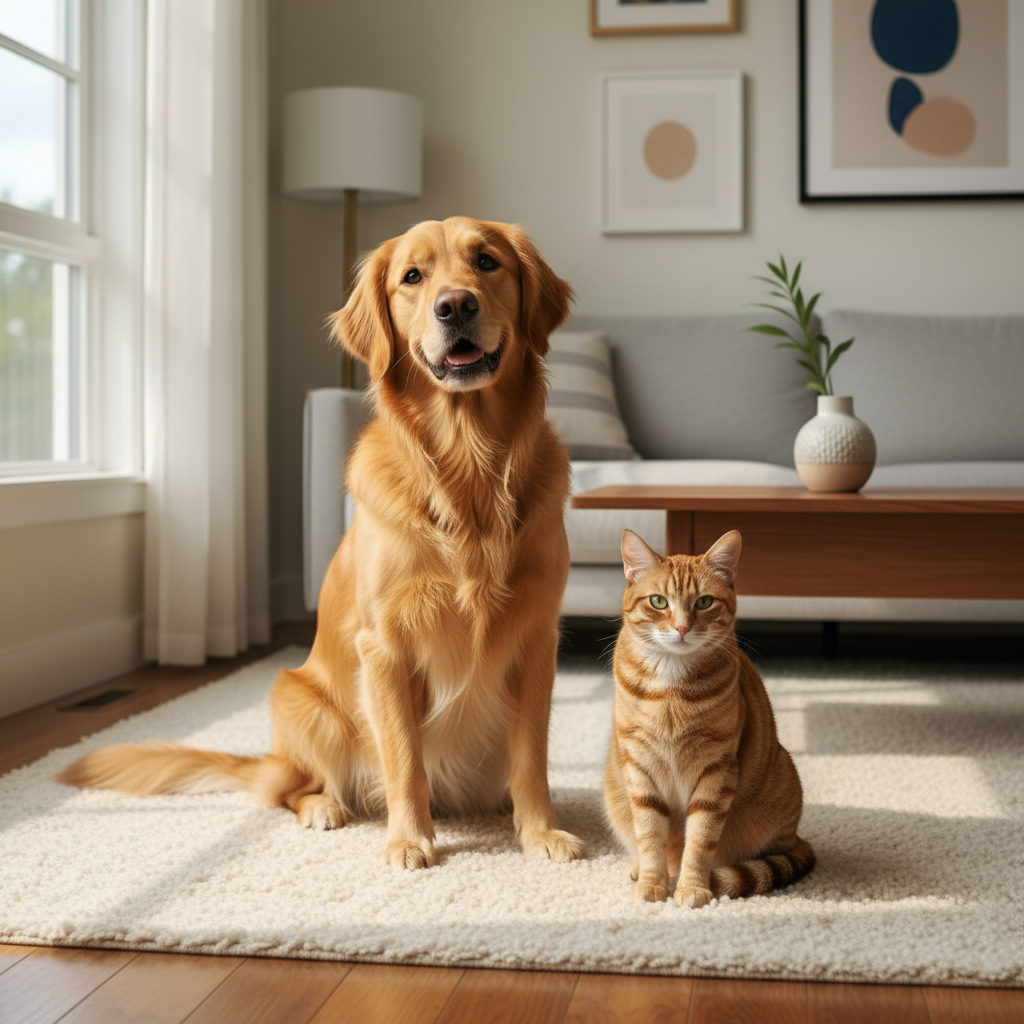
Even without accidents, pets leave dander, body oil and biological odor throughout a home. Combined with urine history, that is often what buyers and new tenants react to. Our process removes it at the molecular level, safely for kids and pets after dwell.
What we treat
- Dander, body oil and pet bedding odor removal
- Combined cat and dog household treatment
- Rental turnovers with severe pet damage
- Vehicles, kennels and boarding facilities
- Pre-listing pet odor resets for sellers
Service area
We serve homes and businesses within roughly 20 miles of our Denver facility, including Aurora, Lakewood, Arvada, Westminster, Thornton, Centennial, Englewood, Littleton, Highlands Ranch and Wheat Ridge.
See all service areasThe Science of Persistent Pet Odors
Pet odors originate primarily from a complex mixture of organic compounds. These include dander (epidermal skin cells), dried saliva, urine residues, fecal matter, and sebaceous gland secretions (body oils). The key microscopic perpetrators are often volatile organic compounds (VOCs) and semi-volatile organic compounds (SVOCs). Common VOCs associated with pet odors include carboxylic acids, furans, and nitrogenous compounds like ammonia and amines, which are particularly prevalent in urine. These molecules possess distinct, often pungent, olfactory signatures due to their molecular structure and vapor pressure. When pets inhabit a space, these molecules are continuously shed and become embedded in porous materials. Carpets, carpet padding, upholstery, mattresses, draperies, wood flooring, and even drywall act as sponges, absorbing and trapping these compounds. The molecular bonds formed between the odor-causing compounds and the porous materials are often stable, making simple cleaning methods insufficient. For example, uric acid crystals, primarily found in pet urine, are highly resistant to water-based cleaning and can recrystallize, reactivating the odor in humid conditions. Body oils leave behind a greasy residue that can deepen into fabrics and attract additional airborne particles, exacerbating the odor problem. The persistence of pet odors is a function of the widespread distribution and molecular tenacity of these organic compounds within the building materials, impacting the overall indoor air quality. The National Institutes of Health (NIH) acknowledge the complex interplay of biological and chemical factors contributing to indoor pet allergens and odors.
Why Common Pet Odor Remedies Fall Short
Many widely used methods for addressing pet odors fail because they do not chemically break down or remove the odor-causing molecules from the affected materials. Air fresheners are designed to mask odors with stronger, more pleasant scents by releasing their own VOCs. This provides temporary relief but leaves the underlying odor compounds intact, meaning the pet smell will return once the air freshener dissipates. Similarly, carpet shampoos and common household cleaners, while effective at removing surface-level dirt and some fresh stains, often cannot penetrate deep into carpet fibers, padding, or subflooring where pet dander, oils, and urine residues have become entrenched. Water-based cleaning can sometimes even spread urine contaminants deeper into porous materials. Painting over odors is another frequently attempted but often unsuccessful strategy. While a fresh coat of paint may temporarily seal in some odors on walls, many odor molecules are small enough to off-gas through standard interior paints over time. Furthermore, if the odor has penetrated beyond the painted surface into drywall or framing, painting will have no lasting effect. Ozone generators, often marketed as powerful odor eliminators, are particularly problematic. As the EPA advises, ozone is a strong oxidizing agent, but at concentrations safe for occupancy, it is largely ineffective against deep-seated odors. At higher concentrations needed for significant odor reduction, ozone becomes hazardous to human and animal health, causing respiratory irritation and potentially forming harmful byproducts when reacting with other indoor chemicals. These methods fundamentally miss the requirement for a molecular-level breakdown or capture of the odor-causing agents.
Our Comprehensive Pet Odor Inspection Process
Our odor inspection process for pet-related issues is methodical and designed to identify all affected areas and the scope of contamination. We begin by engaging with property owners to understand the history of the pet occupancy, the type and number of animals involved, and the duration of their presence. This contextual information helps us anticipate potential problem areas. Our physical inspection involves a thorough visual assessment of all surfaces, including floors, walls, and any furniture remaining in the property. We look for visible signs of pet use, such as staining, scratching, or areas with matted dander accumulation. To detect invisible or embedded residues, we utilize specialized tools. Our technicians employ ultraviolet (UV) lights to identify areas of urine contamination, as certain compounds in urine fluoresce under UV light. We use hygrometers to measure moisture levels in building materials, as elevated moisture can indicate current or past urine saturation and reactivate odors. Our inspection also includes the careful use of our olfactory senses, systematically evaluating each room and surface to pinpoint the strongest sources of odor. This involves getting close to materials like carpets, baseboards, and walls. We also check HVAC systems for dander accumulation in return air vents and ductwork. This detailed assessment allows us to develop a precise treatment plan, ensuring that no significant source of odor is overlooked.
Our Science-Based Treatment Methodology
Our pet odor remediation methodology focuses on the molecular breakdown and neutralization of odor-causing compounds. The process begins with careful surface preparation. This involves the removal of any gross contamination, such as loose dander or debris. For upholstered items or textiles, we may use HEPA vacuuming to remove embedded particulate matter. If there are specific, highly contaminated areas (e.g., urine-saturated concrete), these may require targeted pre-treatment with specialized cleaning agents to address uric acid crystals. The core of our method involves the controlled release of chlorine dioxide (ClO2) gas. ClO2 is a highly effective oxidant that works at the molecular level. Unlike ozone, which primarily reacts with surface-level molecules and can be unsafe, ClO2 safely penetrates porous materials like carpet fibers, wood, and drywall. It disrupts the molecular bonds of odor-causing VOCs and SVOCs, converting them into non-odorous, inert compounds. Our ClO2 generators are precisely controlled to achieve the appropriate concentration for safe and effective treatment. The ClO2 gas is allowed a sufficient dwell time, typically several hours to overnight, to thoroughly permeate all affected materials and airspaces within the enclosed environment. After the dwell period, the space is thoroughly ventilated using high-volume air movers to ensure all ClO2 gas and byproducts are safely removed, leaving no chemical residue or lingering scent, only fresh, neutral air. This process is designed to neutralize the source of the pet odor, not merely mask it.
Specialized Equipment for Comprehensive Odor Removal
To achieve thorough and lasting pet odor removal, we deploy a range of specialized equipment designed for precise measurement and effective treatment. For initial contamination removal, we utilize high-efficiency particulate air (HEPA) filtered vacuums and air scrubbers. HEPA filtration is crucial for capturing fine pet dander and other allergens, preventing their recirculation during the cleaning process. These units are deployed to clean carpets, upholstery, and air. Our primary odor-elimination tool is the chlorine dioxide (ClO2) gas generator. These units precisely meter and release ClO2 gas, ensuring safe and effective concentrations throughout the affected space. The controlled generation prevents over-application and ensures optimal penetration into porous materials. During the treatment, we use gas monitors and sensors to track ClO2 concentrations in real-time, verifying adequate saturation and ensuring worker safety. Post-treatment, high-capacity air movers and industrial-grade ventilation fans are used to rapidly air out the property, ensuring complete evacuation of the ClO2 gas and any byproduct molecules. For inspection, we rely on UV blacklights to reveal hidden urine stains and professional-grade hygrometers to measure moisture content in building materials, helping us identify specific areas of liquid contamination. Particle counters may be employed to assess the reduction of airborne particulate matter post-treatment, ensuring an overall improvement in indoor air quality. This equipment suite enables us to conduct a targeted, scientific, and verifiable odor remediation process.
Addressing Unique Scenarios in Pet Odor Remediation
While our core ClO2 methodology is robust, certain situations involving pet odors require adapted strategies. In cases of extremely heavy contamination, such as properties with multiple long-term animal residents or those with significant animal hoarding, a single ClO2 treatment may not be sufficient. These properties often require extensive pre-cleaning, including the removal of all soft goods and preliminary cleaning of hard surfaces to reduce the organic load. Multiple ClO2 treatments may also be necessary to fully oxidize the accumulated odor molecules within building materials. For properties with sensitive occupants, such as those with severe asthma or chemical sensitivities, we exercise extra caution during the entire process. This includes extended ventilation periods and the use of air purifiers with activated carbon filtration post-treatment to ensure all transient airborne compounds are removed before re-occupancy. We communicate openly about the entire process and expected off-gassing with such clients. Historic homes or properties with high-value assets (antique furniture, delicate textiles, artwork) necessitate a measured approach. ClO2, at regulated concentrations, is generally safe for most materials but can, in rare instances, affect certain pigments or finishes. We conduct spot tests on inconspicuous areas of sensitive materials before full treatment and adjust our deployment strategy to minimize potential adverse effects. For specialized assets, removal from the treatment zone may be recommended. Our protocol is adapted to balance effective odor removal with material preservation, ensuring that the unique characteristics and value of the property are maintained. These specific considerations are always discussed during the initial inspection and planning phase.
The Timeline and Expectations of Our Treatment Process
Our pet odor removal process adheres to a clear timeline, minimizing disruption while ensuring thorough treatment. The initial inspection typically takes one to two hours, depending on the size of the property and the extent of contamination. During this phase, we develop a tailored treatment plan and provide a clear explanation of the process. Once the treatment has been scheduled, the on-site preparation phase, which includes sealing the space and setting up equipment, usually lasts one to three hours. The chlorine dioxide (ClO2) gas treatment itself requires the space to be unoccupied. The dwell time for the ClO2 gas to effectively penetrate all affected materials and neutralize odor molecules ranges from 8 to 24 hours, depending on the severity of the odor and the specific characteristics of the property. During this period, no one, including pets, should be present. Following the dwell time, a critical ventilation phase commences. We use high-volume air movers and ventilation fans to thoroughly air out the property, a process that typically takes an additional 4 to 8 hours. Verification of ClO2 levels and air quality may be conducted before clearing the space for re-entry. In total, from setup to safe re-entry, the entire process usually spans 24 to 48 hours. We provide clear instructions regarding re-entry and any post-treatment considerations, ensuring a smooth and predictable experience.
Identifying When Replacement Becomes Necessary Over Treatment
While our chlorine dioxide treatment is highly effective for many persistent pet odors, there are instances where certain materials are so deeply saturated or structurally compromised that replacement is a more practical and efficacious solution than attempting treatment. Carpet padding, for example, is extremely porous and acts as a reservoir for urine, dander, and body oils. If urine has saturated the padding beneath a carpet, it is often best to remove and replace both the carpet and the padding. Simply cleaning the carpet will not address the deep contamination in the padding, and odors will inevitably persist or return. Similarly, sections of drywall that have been repeatedly urinated on or have absorbed significant pet odors over time can become so permeated that the odor molecules are embedded too deeply for complete oxidation without compromising the structural integrity of the drywall itself. In such cases, cutting out and replacing the affected drywall sections is recommended. HVAC filters, particularly older, clogged ones, can harbor significant quantities of pet dander, hair, and microscopic odor-causing particles. These should always be replaced as part of any comprehensive pet odor remediation. In severe cases, where odors have deeply penetrated porous insulation behind walls or in attics, particularly if insulation has been used as a latrine, removing and replacing the affected insulation is the only reliable way to eliminate the source of the odor. We provide honest assessments during our inspection, clearly identifying materials that are beyond effective treatment and where replacement offers a more permanent resolution, saving property owners time and resources on ineffective interventions.
Denver-Specific Considerations for Pet Odor Remediation
Denver's unique environmental conditions can influence pet odor remediation strategies. The city's high altitude (approximately 5,280 feet above sea level) impacts gas kinetics. At higher altitudes, atmospheric pressure is lower, which can affect the dispersion and reaction rates of gaseous oxidizers like chlorine dioxide (ClO2). While our ClO2 generators are calibrated for optimal performance at various altitudes, slight adjustments in dwell times or concentration profiles may be considered to ensure thorough penetration and reaction with odor molecules. Denver's typically dry winter humidity can crystallize uric acid in pet urine more rapidly, making it particularly difficult to remove with standard cleaning. However, re-humidification during treatment can sometimes assist in reactivating and breaking down deeply embedded crystals. Wildfire seasons, which have become more prevalent in Colorado, can introduce additional particulate matter and smoke VOCs into indoor environments, potentially complicating odor assessments. While pet odors are distinct, the presence of wildfire smoke can contribute to overall indoor air quality issues that need to be considered. Lastly, homeowners' associations (HOAs) in many Denver metro areas have specific regulations regarding property maintenance, inspections, and even permissible exterior activities. These regulations may influence logistical aspects of our work, such as access times, parking for equipment, or disposal of heavily contaminated materials. We are mindful of these local factors and coordinate our activities to comply with all relevant HOA guidelines and local ordinances, ensuring a smooth and compliant remediation process for our clients in Cherry Hills Village, Parker, and other communities.
Verification and Lasting Results After Treatment
Our commitment to effective pet odor removal extends beyond the physical treatment itself. After the completion of the chlorine dioxide application and subsequent ventilation, we conduct a thorough verification of the remediation's success. Our technicians re-enter the property to perform a comprehensive olfactory assessment, systematically evaluating each treated area to confirm the neutralization of pet odors. We will use the same detailed inspection methods as we did initially to ensure that target odors have been eliminated, not merely masked. This post-treatment inspection is a critical step in confirming the efficacy of our molecular oxidation process. Clients are encouraged to participate in this final walkthrough to ensure their satisfaction with the results. We provide clear instructions regarding re-occupancy and address any follow-up questions or concerns immediately. Our goal is to leave the property with a neutral, clean scent, free from the lingering markers of pet dander, oils, or urine. We stand by the completeness of our work, providing reassurance that the treated odors have been chemically altered at the source. This ensures a lasting solution rather than a temporary fix. Our methodology is designed for permanent odor elimination, providing a fresh start for property owners and occupants alike.
Frequently asked questions
How long will it take for the pet odor to be completely gone after treatment?+
After our chlorine dioxide (ClO2) treatment, the pet odor-causing molecules are chemically oxidized. The physical process on-site typically takes 24 to 48 hours for treatment and ventilation. After the ventilation phase, the space will be odor-free and safe for re-entry. Our process neutralizes the odor at a molecular level, so once done, the odor should be permanently gone, assuming new contamination does not occur.
Is the chlorine dioxide treatment safe for my family and pets after you're done?+
Yes, absolutely. Safety is paramount. During the chlorine dioxide (ClO2) treatment, the property must be vacant, including all people and pets. After the treatment, we conduct an extensive ventilation process using high-volume air movers. This ensures all the ClO2 gas is thoroughly purged from the environment, leaving no active chemicals or harmful residues. We only clear the space for re-entry once it is safe and odorless.
Can your treatment remove pet urine odors from subflooring?+
Our chlorine dioxide (ClO2) gas can penetrate porous materials like wood subflooring to neutralize embedded urine odors, especially when the subfloor has been adequately exposed. However, if the subfloor has been repeatedly saturated by urine over an extended period, the extent of penetration may be varied. During our inspection, we assess the depth of saturation and advise if specific pre-treatment or if replacement of heavily affected sections would be more effective.
What about odors from pet dander and body oils, not just urine?+
Our chlorine dioxide (ClO2) treatment works extensively on a wide range of organic compounds, which includes those responsible for pet dander and body oil odors. ClO2 oxidizes the VOCs and SVOCs associated with these residues, breaking down their molecular structure. This provides a comprehensive solution for general pet musk and allergens, not only targeted urine odors, by addressing the embedded organic matter in surfaces and air.
Will I need to remove all my furniture and belongings before treatment?+
You do not need to remove all furniture; however, for optimal results, we recommend removing all fragile or valuable items, artwork, and extremely sensitive electronics. Soft upholstered furniture and textiles are often primary odor reservoirs so they should remain in the treatment area to be exposed to the chlorine dioxide gas. We will provide specific guidance during the inspection based on your property's contents.
My pet had an accident on a specific spot on the carpet. Can you treat just that area?+
While we can perform spot treatments for fresh, isolated incidents, persistent pet odors generally require treating the entire affected room or even the whole property. Odor molecules, once airborne or absorbed, tend to spread beyond the initial point of contamination. Thorough full-room treatment with chlorine dioxide ensures that all embedded odors are neutralized, preventing residual smells from lingering elsewhere.
Why is ozone not a good solution for pet odors?+
Ozone is often ineffective against deep-seated pet odors and can be harmful. The Environmental Protection Agency (EPA) notes that ozone at concentrations safe for humans is insufficient for significant odor removal. At higher concentrations potent enough to affect odors, ozone becomes a respiratory irritant and can pose health risks. It may also create new, potentially harmful chemical byproducts when reacting with other indoor compounds, failing to genuinely resolve the odor problem.
Do I need to clean my carpets before your treatment?+
While not strictly necessary, a thorough deep cleaning or HEPA vacuuming of carpets and upholstery prior to our service can be beneficial. This removes loose dander, hair, and some surface-level contaminants, allowing the chlorine dioxide gas to more effectively penetrate deeper into the fibers and reach the embedded odor molecules. We can advise on specific pre-treatment recommendations during your inspection.
Will this treatment affect my plants or fish in the home?+
Yes, chlorine dioxide gas is an oxidant and can be harmful to living organisms. All living plants, aquariums, and pets must be removed from the property before treatment commences. This includes fish, birds, reptiles, and household plants. We will provide a comprehensive checklist of items that need to be removed or protected prior to our service.
How does your process differ from standard carpet cleaning for pet odors?+
Standard carpet cleaning primarily focuses on removing visible stains and some surface-level dirt using water and detergents. It often struggles to reach and neutralize odor molecules embedded deep within carpet padding, subflooring, or drywall. Our chlorine dioxide treatment is a gaseous process that permeates all porous materials to chemically break down odor-causing molecules at their source, offering a more complete and lasting solution beyond surface cleaning.
IICRC-credentialed. 42+ years of odor removal experience. Thousands of completed odor removal projects across the Denver metro.
Reviewed and updated: .
Related in Pet & Animal Odors
Get a pet odor quote
Honest quote, fast scheduling, fully guaranteed work.
- 100% Satisfaction Guarantee
- Eco-friendly, non-toxic, pet and kid safe
- Same-day response on most requests