
Cooking Odor Removal Denver Colorado
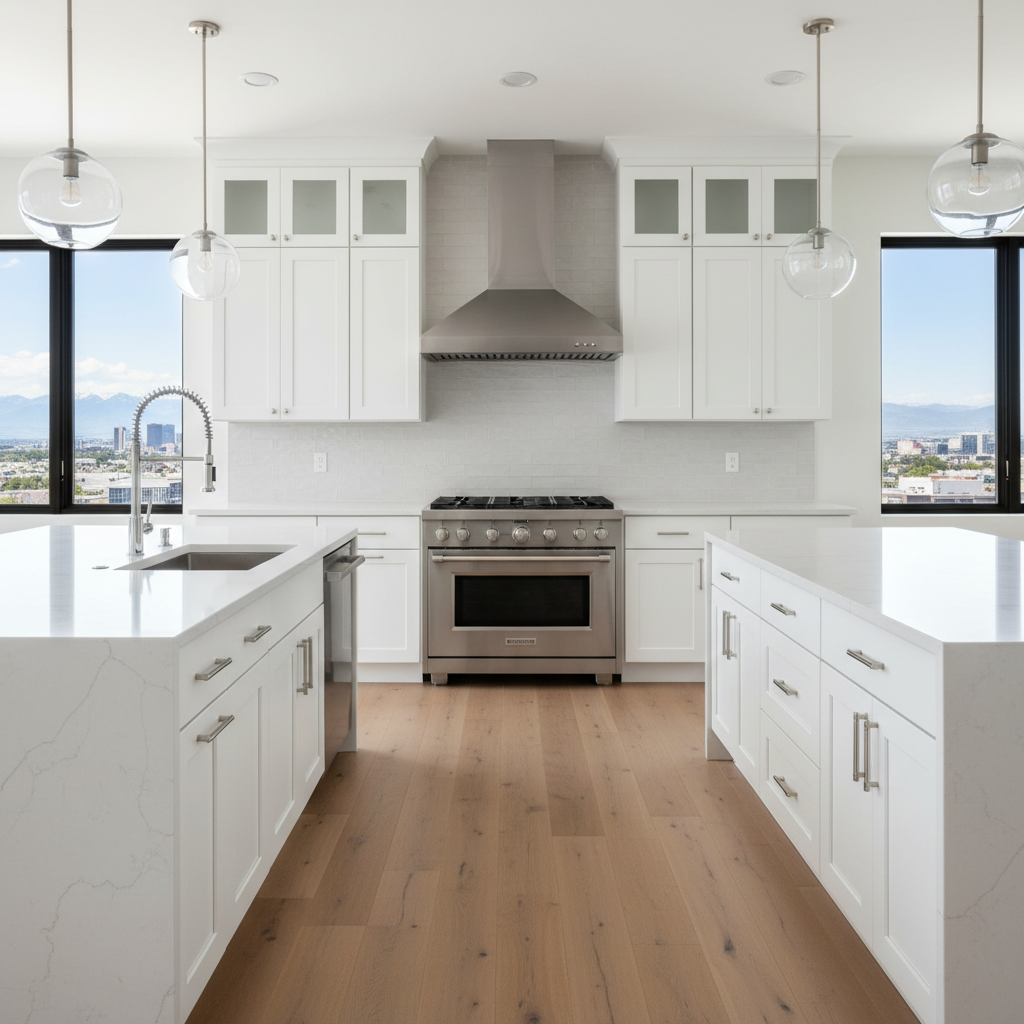
Some cooking odors do not stay in the kitchen. We remove curry, fish, grease and chronic frying odors from soft goods, cabinetry and HVAC systems so the house smells like a house again, without lecturing you about your food.
What we treat
- Curry, spice and fermented food odor removal
- Fish, seafood and protein odor removal
- Long-term grease and frying odor treatment
- Range hood and HVAC duct treatment
- Rental and pre-listing kitchen odor resets
Service area
We serve homes and businesses within roughly 20 miles of our Denver facility, including Aurora, Lakewood, Arvada, Westminster, Thornton, Centennial, Englewood, Littleton, Highlands Ranch and Wheat Ridge.
See all service areasThe Science of Persistent Cooking Odors
Cooking odors are a complex mixture, frequently dominated by aldehydes, ketones, pyrazines, and mercaptans, particularly when associated with high-fat cooking, spices like curry, or fish. These molecules are airborne during cooking, then settle and absorb into porous materials. Grease, a common byproduct of frying, creates a sticky film that traps these odoriferous compounds, protecting them from simple surface cleaning and allowing them to become deeply embedded. For instance, fish odors are often associated with trimethylamine, a compound easily absorbed by textiles and wood. Curry and spice odors contain a wide range of aromatic compounds, many of which are thermally stable and highly absorptive. These compounds do not simply disappear. Instead, they form chemical bonds or become physically entrapped within the matrix of materials like drywall, insulation, carpeting, and even painted surfaces. The continuous off-gassing of these embedded molecules creates a sustained odor problem. This phenomenon is similar to third-hand smoke deposition, where chemical residues persist long after the source is removed. Simply ventilating a space may dilute the odor temporarily, but it does not address the source reservoirs of these entrenched odor molecules. The EPA has extensively documented the persistence of VOCs in indoor environments and their tendency to adsorb onto surfaces, contributing to long-term indoor air quality issues.
Why Standard Odor Fixes Are Insufficient for Cooking Smells
Conventional cleaning methods and superficial treatments often fail to address the core problem of embedded cooking odors. Painting over odorous surfaces, for example, might seem like a solution, but many odor molecules are small enough to migrate through layers of paint, or the paint itself may not form a sufficient barrier, allowing off-gassing to continue. Furthermore, painting without proper surface preparation merely seals in a layer of odor-causing residue. Air fresheners and diffusers introduce competing scents, which only mask the underlying odor rather than neutralizing or removing the odor-causing molecules. This often results in a blend of scents that can be more unpleasant than the original odor. Carpet shampooing and steam cleaning can address surface-level odors and visible grease, but these methods typically do not reach the carpet pad or subfloor, where significant odor absorption can occur. In fact, introducing moisture without thorough drying can sometimes exacerbate mold growth, creating a new problem. Ozone generators are frequently proposed for odor remediation. However, as stated by the EPA, ozone is a lung irritant, and to be effective against significant odors like those from chronic cooking, it would need to be used at concentrations far exceeding public health standards. At safe concentrations, ozone is largely ineffective against embedded cooking odors and can also react with other airborne chemicals, forming potentially harmful byproducts. These limitations highlight the need for a targeted, molecular-level approach to effectively eliminate persistent cooking odors.
Our Methodical Inspection Process for Cooking Odors
Effective cooking odor removal begins with a thorough inspection to identify all contaminated surfaces and quantify the extent of the problem. Our inspection process is methodical and designed to pinpoint odor reservoirs. We begin with a detailed walkthrough, using our sense of smell to identify primary and secondary odor sources, paying close attention to kitchen areas, adjacent rooms, and HVAC systems. We investigate whether the odor is localized to a kitchen or has spread throughout the property via air circulation. Key areas of focus include porous materials such as drywall, ceilings, insulation, carpeting, drapes, and upholstered furniture. We also examine non-porous surfaces like cabinets, countertops, and appliances for grease accumulation. We ask specific questions about the history of the cooking activities, the duration of the odor, previous cleaning attempts, and any health sensitivities of occupants. Visual inspection helps identify visible grease buildup, discoloration, or other residues. In some cases, we may use hygrometers to assess moisture levels in materials, which can influence odor persistence and treatment effectiveness. This comprehensive evaluation ensures we develop a precise treatment plan tailored to the specific characteristics of the cooking odor and the property.
Our Chlorine Dioxide Oxidation Treatment Methodology
Our primary treatment for cooking odors utilizes chlorine dioxide (ClO2) gas, a highly effective molecular oxidizer. The process begins with meticulous surface preparation. All visible grease and oil residues on non-porous surfaces are manually cleaned to prevent them from interfering with the gas-phase treatment. Contents that are heavily contaminated and cannot be effectively treated in place, such as certain textiles or small appliances, may be removed for off-site treatment or disposed of if saturation is severe. We then seal the treatment area to ensure containment and consistent ClO2 concentrations. ClO2 gas is generated on-site within the sealed space. Unlike ozone, ClO2 reacts directly with odor-causing molecules through an oxidation process, breaking their chemical bonds and neutralizing their ability to produce a scent. The ClO2 vapor penetrates porous materials (drywall, wood, concrete, fabric) and oxidizes embedded organic odor molecules. The dwell time for ClO2 treatment varies depending on the severity of the odor and the type of materials present, typically ranging from several hours to overnight. Following the dwell period, the treatment area is thoroughly ventilated using specialized air movers and negative air machines with HEPA filtration to remove residual ClO2 gas and ensure the space is safe for re-entry. Verification of odor reduction is conducted before concluding the service. This systematic approach ensures the targeted elimination of odor at a molecular level.
Specialized Equipment for Precise Odor Removal
Our odor removal process relies on specialized equipment to ensure thorough and effective treatment. For initial surface preparation, we employ industrial-grade degreasers and utilize high-efficiency vacuums with HEPA filtration to capture particulate matter and surface residues without re-releasing them into the air. When addressing deeply embedded grease, we may use thermal foggers to apply degreasing agents as a pre-treatment, allowing for better penetration and breakdown of caked-on oils. Our core treatment involves advanced chlorine dioxide (ClO2) generation systems. These generators precisely control the concentration and dispersion of ClO2 gas, ensuring optimal chemical interaction with odor molecules throughout the affected space. For post-treatment verification and air quality management, we utilize sensitive ClO2 monitors to ensure gas levels return to safe occupational limits prior to re-entry. We also employ powerful axial and centrifugal air movers, alongside negative air machines equipped with HEPA and activated carbon filtration, to rapidly ventilate the treated area and remove any residual treatment agents or airborne particulates. These tools collectively enable us to conduct a controlled, efficient, and verifiable odor remediation process.
Special Considerations for Heavy Cooking Odor Contamination
Heavy contamination from chronic cooking, such as in restaurants or homes with decades of intense culinary activity, often presents unique challenges. In these situations, the depth of odor molecule penetration into porous materials can be extensive. For example, insulation within wall cavities or attic spaces may be saturated with grease and VOCs, requiring more aggressive or prolonged treatment. In some cases, if the insulation is heavily soiled or has degraded, removal and replacement may be more cost-effective than attempting remediation. Sensitive occupants, including individuals with respiratory conditions or small children, necessitate careful planning and increased safety measures during and after treatment. This includes stringent containment protocols, extended ventilation, and meticulous air quality verification before re-occupancy. High-value assets, such as antique furniture, artwork, or delicate finishes, require specific protective measures or may need to be temporarily relocated to prevent any potential impact from the ClO2 gas, although ClO2 is generally less corrosive than other oxidizers. Historic homes, with their unique construction materials and preservation considerations, also demand a tailored approach, often involving lower ClO2 concentrations over longer dwell times to prevent any material degradation while still achieving odor neutralization. These specialized considerations are evaluated during our initial inspection to develop a bespoke remediation strategy.
Project Timeline and What to Expect During Treatment
Clients typically want to understand the timeline involved in severe cooking odor removal. The on-site duration for our technicians usually spans between 2 to 8 hours for preparation, equipment setup, and sealing the treatment area. The actual chlorine dioxide gas dwell time, during which the gas actively oxidizes odor molecules, can range from a minimum of 4 hours to as long as 24 hours, depending on the severity and complexity of the odor problem, as well as the types of materials present. During the dwell period, the property must remain unoccupied, including by pets and plants, due to the presence of ClO2 gas. Following the oxidation phase, a critical ventilation period begins. We employ high-volume air movers and negative air machines to quickly and thoroughly vent the ClO2 gas from the treated space. This ventilation typically lasts between 2 to 6 hours, or longer if necessary, until ClO2 levels are confirmed to be well below occupational exposure limits through direct-reading monitors. Re-entry usually occurs within 8 to 24 hours from the start of the treatment, depending on individual project parameters. We will communicate a precise re-entry time after our initial inspection and throughout the treatment process, ensuring the space is safe and odor-free before you return.
When Replacement Is More Practical Than Remediation
While our ClO2 oxidation treatment is highly effective, there are specific instances where the extent of cooking odor contamination may necessitate replacing certain materials rather than attempting remediation. Heavily saturated carpet and carpet padding, particularly if the odor has penetrated to the subfloor, often fall into this category. The cost of effective treatment for deep saturation might exceed the cost of replacement, and the success rate can be diminished. Similarly, sections of drywall or plaster that have absorbed significant amounts of grease and odors, particularly around exhaust vents or behind appliances, may be candidates for removal if the contamination is deeply embedded and localized. HVAC filters are almost always recommended for replacement, as they trap airborne grease and odor molecules that can be continuously recirculated. In severe cases, especially in attics or crawl spaces where cooking odors have migrated through penetrations, sections of insulation may be so heavily contaminated that removal and replacement are the most practical and effective solutions. Our inspection will identify such situations and provide clear, honest recommendations about when replacement offers a more durable and cost-effective approach than exhaustive remediation.
Denver Metro Area Treatment Considerations
Operating in the Denver metropolitan area, which encompasses communities like Aurora, Lakewood, and Centennial, introduces several specific considerations for odor remediation. Our altitude (approximately 5,280 feet above sea level) means lower atmospheric pressure. This can subtly influence gas kinetics, including the dispersion and reactivity of chlorine dioxide. While the fundamental chemistry remains consistent, our application protocols are adjusted to ensure optimal treatment efficacy under these conditions. Denver’s dry winter climate also plays a role. Lower ambient humidity can affect the rate at which gas-phase treatments interact with certain materials, potentially requiring adjustments in dwell times or the introduction of controlled humidity to optimize treatment. Conversely, the dry air aids in the rapid drying of surfaces after initial cleaning, which is beneficial. Although cooking odors are distinct from smoke odors, Denver’s intermittent wildfire seasons (e.g., in recent years, plumes from fires to the west and north) mean that homes can occasionally experience a mix of cooking and external smoke odors. Our inspection process addresses this potential layering of contaminants. While not directly impacting treatment, specific homeowner association (HOA) regulations prevalent across many Denver communities, including Highlands Ranch and Cherry Hills Village, sometimes dictate external work schedules or material changes, which we account for in our project planning.
Post-Treatment Verification and Assurance
Upon completion of the chlorine dioxide treatment and thorough ventilation, our focus shifts to verifying the success of the odor removal and ensuring the property is safe for re-occupancy. This includes a final walk-through and olfactory assessment by our technicians. We use our detailed understanding of odor characteristics to confirm the absence of residual cooking odors. Our internal quality control procedures emphasize a meticulous check of all treated areas. We provide clients with clear communication regarding re-entry safety and any minor post-treatment instructions, which are typically minimal due to the nature of ClO2’s breakdown products. We stand by the effectiveness of our methodology. While we do not offer 'guarantees' in the traditional sense due to the complex and variable nature of odor sources and property conditions (especially the potential for new contamination), we are committed to client satisfaction. In cases where a faint residual odor may be detected after the initial treatment, we will reassess the situation, and if deemed appropriate based on our professional judgment and re-inspection, we may perform a supplemental, targeted retreatment to achieve the desired level of odor neutralization. Our objective is a thorough, molecular-level odor elimination, and we aim to achieve that with every project.
Frequently asked questions
What makes cooking odors so difficult to remove compared to other smells?+
Cooking odors are primarily caused by volatile organic compounds (VOCs) and semi-volatile organic compounds (SVOCs) mixed with grease particles. These molecules are lipophilic (fat-loving), allowing them to deeply penetrate and bond with porous materials like drywall, fabrics, and wood. The grease also creates a protective layer, shielding these odor molecules from superficial cleaning and causing them to off-gas chronically, leading to persistent smells that simple cleaning cannot address.
Can I just air out my house to get rid of cooking smells?+
Airing out a house by opening windows and doors can temporarily dilute airborne cooking odors. However, it does not remove the odor molecules that have adsorbed into surfaces and materials. As soon as the ventilation stops, these embedded molecules will continue to off-gas, and the odor will return. Effective removal requires addressing the source molecules directly, not just diluting them.
Is ozone effective for removing deep-set cooking odors?+
Ozone generators are often marketed for odor removal, but when it comes to deep-set cooking odors, they have significant limitations. To be effective against such tenacious odors, ozone concentrations would need to be at levels considered unsafe for human occupancy and can also create harmful byproducts. As noted by the EPA, ozone at safe concentrations is generally ineffective for thorough odor elimination, especially for deeply embedded compounds.
Will painting over the walls containing cooking odors solve the problem?+
Painting over walls where cooking odors are present is often ineffective. Many odor molecules are small enough to migrate through layers of paint. While specialized odor-blocking primers exist, they are not always foolproof, and without molecular-level neutralization, the underlying odor can eventually permeate through the new paint. Proper preparation and odor removal beneath the paint are essential for a lasting solution.
How does chlorine dioxide gas neutralize cooking odor molecules?+
Chlorine dioxide (ClO2) gas is a molecular oxidizer. When introduced into a sealed space, it penetrates porous materials and directly reacts with the odor-causing molecules through a chemical oxidation process. This reaction breaks down the chemical bonds of the odor molecules, neutralizing their structure and eliminating their ability to produce a scent. Unlike masking agents, ClO2 permanently alters the odor source.
Do I need to leave my property during the ClO2 treatment?+
Yes, occupants, pets, and plants must vacate the property during the entire chlorine dioxide treatment process, including the gas dwell time and the initial ventilation period. While ClO2 readily breaks down after treatment, it is a respiratory irritant in its gaseous form at effective concentrations. We will confirm safe re-entry times after air quality verification.
What about my furniture and belongings? Do they need to be removed?+
Smaller, heavily contaminated items like drapes or upholstered furniture may need to be removed for specialized treatment or disposal if saturation is severe. For other belongings, during our inspection, we assess their condition and potential for odor absorption. Most items can remain in place, as the ClO2 gas can penetrate and neutralize odors within fabrics and other porous materials without causing damage, provided they are not excessively delicate or historical.
How long does the entire odor removal process typically take?+
From initial setup to safe re-entry, the entire process typically takes between 8 to 24 hours. This includes several hours for preparation and sealing, a dwell time of 4 to 24 hours for the ClO2 gas, and a subsequent ventilation period of 2 to 6 hours. The exact timeline depends on the severity of the odor and the size of the treated area, all of which are assessed during our detailed inspection.
Will the treatment leave behind any chemical residues or smells?+
Chlorine dioxide is designed to break down into inert salt compounds and trace oxygen after its work is done, particularly during the ventilation phase. Our process ensures thorough ventilation to remove residual ClO2 gas until air quality is verified as safe. The goal is to leave behind no chemical residues or new odors, only a clean, neutral scent.
What if the cooking odor returns after treatment?+
Our ClO2 treatment is designed for molecular-level odor elimination, not masking. If a faint residual odor is detected after our initial treatment and verification, we encourage you to contact us. We will conduct a re-inspection to assess the situation. If appropriate, based on our findings, we may perform a supplemental, targeted retreatment to ensure comprehensive odor neutralization.
IICRC-credentialed. 42+ years of odor removal experience. Thousands of completed odor removal projects across the Denver metro.
Reviewed and updated: .
Related in Smoke, Fire & Cooking Odors
Get the kitchen smell out
Honest quote, fast scheduling, fully guaranteed work.
- 100% Satisfaction Guarantee
- Eco-friendly, non-toxic, pet and kid safe
- Same-day response on most requests