Allergy Relief and Indoor Air Quality Treatment Denver
Our process eliminates the airborne irritants and biological residues that drive household allergy symptoms. No ozone, no fragrance, no harsh chemicals, safe for kids and pets once dwell time is complete.
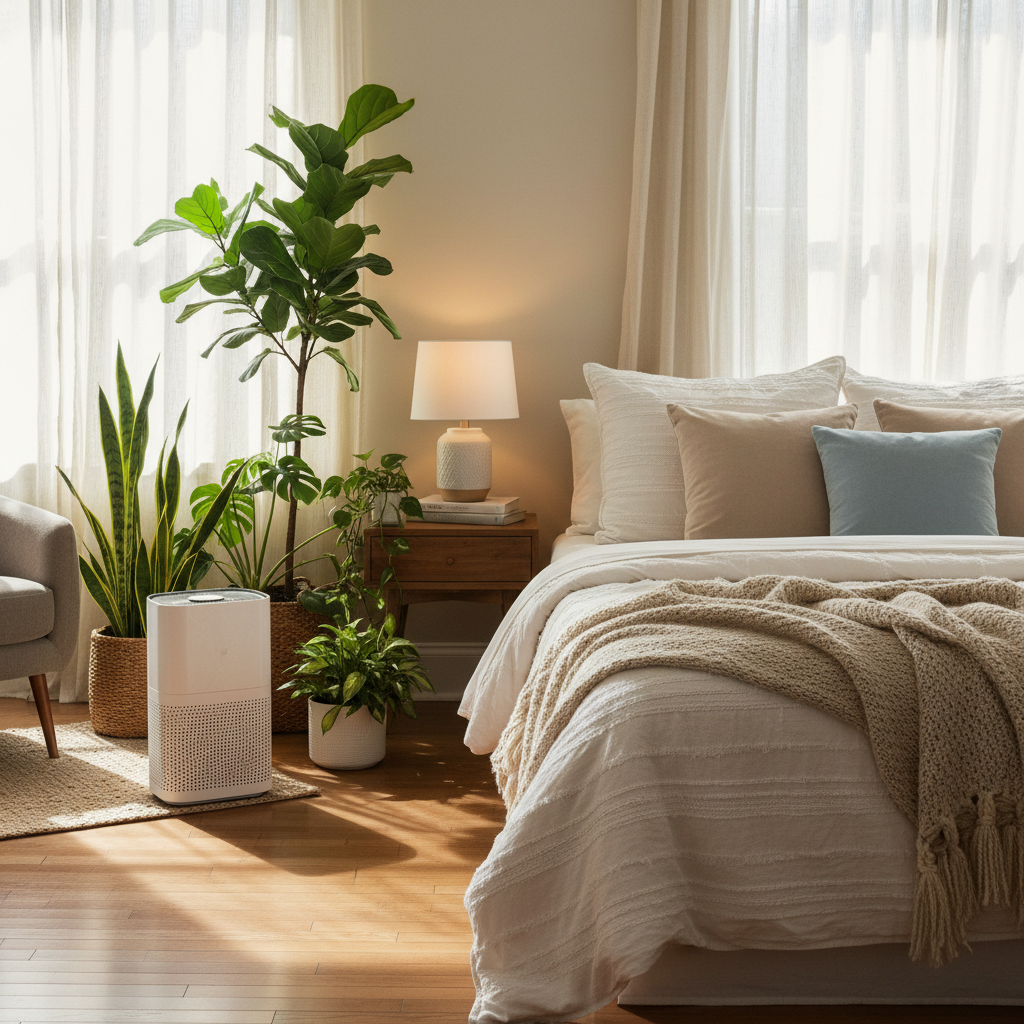
What we treat
- Whole-house allergen and biological residue reduction
- HVAC and ductwork treatment
- Pet dander and pollen residue treatment
- Safe for children, pets and chemical sensitivities
- Pairs well with HVAC filter upgrades
Service area
We serve homes and businesses within roughly 20 miles of our Denver facility, including Aurora, Lakewood, Arvada, Westminster, Thornton, Centennial, Englewood, Littleton, Highlands Ranch and Wheat Ridge.
See all service areasThe Science of Indoor Allergens and Biological Residues
Indoor allergens represent a diverse group of bio-particulates that can provoke immune responses in susceptible individuals. These largely consist of proteins originating from sources such as pet dander (Fel d 1 from cats, Can f 1 and Can f 2 from dogs), dust mites (Der p 1 and Der f 1 from their fecal pellets), mold spores (various genera like Cladosporium, Aspergillus, Penicillium, Alternaria), and pollen infiltrating from outdoors. These particles average between 0.1 to 100 micrometers in size, with some, like dust mite allergens, being relatively heavy and settling quickly, while others, like cat dander and mold spores, are light and can remain airborne for extended periods. When these proteins are inhaled or come into contact with skin, they can bind to specific antibodies (IgE) in sensitized individuals, triggering a cascade of inflammatory responses, including histamine release. These biological residues do not merely rest on surfaces; their microscopic nature allows them to easily bond with and embed themselves within porous materials. Carpets, rugs, upholstered furniture, mattresses, curtains, and even drywall surfaces act as reservoirs. The structure of fabric fibers, with their intricate weaves and electrostatic charges, effectively traps these small particles. HVAC systems are also a significant pathway for distribution, drawing in contaminated air and distributing allergens throughout a building through ductwork. The persistence of these allergens is due to their chemical stability and their ability to become physically lodged within materials, making their removal challenging. The Centers for Disease Control and Prevention (CDC) recognizes indoor allergens as a significant public health concern, contributing to conditions such as asthma and allergic rhinitis.
Why Standard Allergen Fixes Fall Short
Many common approaches for addressing indoor allergens provide limited relief because they do not adequately remove or denature the embedded biological contaminants. Routine vacuuming, even with a HEPA filter, primarily addresses surface-level dust and a fraction of deeper allergens; it typically does not extract the deep-seated particles from carpet padding or fully embedded fibers. Carpet shampooing can remove some allergens, but it often leaves residual moisture that can promote mold growth and can also fail to extract deeply settled particles, especially if proper drying protocols are not followed. Furthermore, the chemical surfactants in some shampoos may not effectively neutralize allergen proteins. Painting over contaminated surfaces, especially in cases of mold or heavy pet dander residue, merely encapsulates the problem temporarily. Over time, volatile organic compounds (VOCs) and biological particles can off-gas or migrate through the paint layer. Air fresheners and deodorizers only mask the perception of stale air or pet odors; they introduce additional chemicals into the indoor environment without reducing the presence of allergen proteins, mold spores, or dust mite waste. Ozone generators, while sometimes promoted for 'purifying' air, are largely ineffective against bulk allergens and mold in concentrations safe for human habitation. The EPA has issued guidance clearly stating that ozone is a lung irritant and that at levels that would theoretically be effective against pollutants, it is unsafe to breathe. These conventional methods often fail because they do not employ advanced oxidation, particle capture, or molecular breakdown techniques necessary for significant allergen and biological residue reduction.
Our Comprehensive Allergen Inspection Process
A thorough inspection is foundational to identifying the sources and extent of allergen and biological residue contamination. Our process begins with a detailed visual examination of the property, focusing on areas prone to allergen accumulation such as carpets, upholstery, bedding, and HVAC vents. We look for observable signs of biological growth, pet hair, and excessive dust accumulation, which are indicators of potential allergen reservoirs. We engage in a detailed discussion with the homeowner or occupant about their specific concerns, noting any known allergies of residents, pet history, prior cleaning attempts, and the location and duration of any allergic reactions. We utilize specialized tools during the inspection. A high-resolution borescope may be employed to inspect ductwork for dust buildup and potential mold growth. Hygrometers measure relative humidity levels in various rooms, as elevated humidity significantly contributes to dust mite proliferation and mold growth. In some cases, a particle counter can provide a real-time assessment of airborne particulate matter, indicating potential sources of re-aerosolized allergens. While we do not conduct laboratory testing for specific allergens, our assessment identifies conditions conducive to their accumulation and distribution. This detailed investigation allows us to develop a targeted treatment plan and communicate realistic expectations for allergen reduction based on the identified issues and material types present.
Targeted Treatment Methodology for Allergen Reduction
Our treatment methodology for allergen and biological residue reduction is a multi-step process designed to break down and remove microscopic particulates. It begins with meticulous surface preparation. All textile surfaces, including carpets, rugs, and upholstery, are thoroughly cleaned using high-efficiency particulate air (HEPA) filtered vacuums to remove loose surface allergens. This step is critical to prevent re-aerosolization during subsequent treatments and to improve the efficacy of allergen-denaturing agents. Following physical removal, we deploy targeted applications to break down proteinaceous allergens. This may involve the use of specialized allergen-denaturing solutions applied via low-pressure sprayers or foggers, designed to neutralize the allergenic properties of proteins without causing damage to materials. For comprehensive whole-home treatment, particularly in properties with significant dust mite or pet dander issues, we utilize chlorine dioxide (ClO2) vapor. ClO2 is a potent oxidizing agent that effectively penetrates porous materials. As a gas, it reaches into crevices and fibers that liquid treatments cannot. ClO2 interacts with organic molecules, including proteins and microbial cell structures, through an oxidation mechanism, effectively denaturing allergens and breaking down biological residues. The treatment involves sealing the property, introducing the ClO2 vapor from generators, allowing for a specified dwell time to ensure complete penetration and reaction, typically several hours based on contaminant load and property size. Afterward, the property is thoroughly ventilated, drawing out the spent ClO2 and any remaining airborne particulates. This process significantly reduces the amount of active allergens throughout the treated environment.
Specialized Equipment for Allergen and Biological Residue Treatment
The efficacy of allergen and biological residue reduction relies heavily on the use of specialized, calibrated equipment. Our process begins with the use of HEPA-filtered vacuum systems. These are significantly different from standard household vacuums; they capture 99.97% of particles 0.3 micrometers in diameter, including fine dust mite fecal matter, pet dander, mold spores, and pollen, preventing their re-release into the air. For deeper extraction from carpets and upholstery, we employ high-powered HEPA-filtered extraction equipment, often incorporating hot water or specialized cleaning agents to loosen and remove embedded allergens. For whole-home biological residue reduction, particularly involving sub-micron particles and deeply embedded contaminants, we utilize industrial-grade chlorine dioxide (ClO2) vapor generators. These controlled-release systems produce ClO2 gas at calculated concentrations designed to penetrate all porous surfaces within a sealed environment. Associated equipment includes gas monitors to ensure safe concentrations during the treatment and verify proper ventilation afterward. Air scrubbers equipped with multi-stage filtration, including HEPA and activated carbon filters, are deployed during and after treatment to capture airborne particulates and volatile compounds. We also use professional-grade thermal foggers for applying allergen-denaturing solutions, which create a fine mist that effectively penetrates fabric fibers and hard-to-reach areas. Calibrated hygrometers and infrared thermometers are used to monitor environmental conditions, such as humidity and temperature, which influence the effectiveness of cleaning agents and oxidation processes. Particle counters may be used post-treatment to verify a reduction in airborne particulate matter.
Special Considerations for Allergen and Biological Residue Removal
Addressing allergen and biological residue issues often involves specific challenges requiring tailored approaches. In cases of heavy contamination, such as homes with multiple pets or properties previously occupied by individuals with significant respiratory issues, a single treatment may not be sufficient, or it may require extended dwell times for ClO2 vapor. Properties with compromised indoor air quality due to historic water damage may also present higher mold spore counts, requiring careful assessment to differentiate between active mold growth (requiring remediation) and embedded mold spores (which our process can degrade). Sensitive occupants, including children, the elderly, or individuals with severe asthma or compromised immune systems, necessitate rigorous post-treatment verification to ensure air quality standards are met before re-entry. This may involve additional air scrubbing or extended ventilation periods. Historic homes or properties containing high-value assets (fine art, antique furniture, sensitive electronics) require meticulous planning. The oxidizing nature of ClO2, while effective, can react with certain materials if not carefully controlled. We assess all contents and surfaces for compatibility and may recommend specific items be removed or specially protected prior to treatment. This evaluation prevents inadvertent damage while ensuring effective treatment of the building envelope. Factors like building construction (e.g., plaster walls, specific HVAC designs) influence gas flow and penetration, which are carefully considered when determining ClO2 generator placement and dwell times. Our goal is to achieve comprehensive allergen reduction without compromising the integrity of the property or its contents.
Typical Timeline and Post-Treatment Expectations
The timeline for a comprehensive allergen and biological residue reduction treatment varies depending on the size of the property, the extent of contamination, and specific treatment protocols. Generally, our on-site presence for initial setup and surface preparation (HEPA vacuuming, targeted spraying) can range from 2 to 6 hours for an average-sized home. This is followed by the sealing of the property. The ClO2 vapor treatment phase, where generators are activated, requires a specific dwell time for the gas to penetrate materials and react with allergens. This dwell time typically ranges from 4 to 12 hours, depending on the measured contaminant load, material porosity, and atmospheric conditions. During this period, the property must remain unoccupied. Following the dwell time, a critical ventilation phase begins. We deploy high-volume air movers and air scrubbers to rapidly exchange air and remove spent ClO2 and airborne particulates. This ventilation period typically lasts 4 to 8 hours, and sometimes longer, until ClO2 concentrations in the air are confirmed to be below safe re-entry levels (parts per billion). Re-entry into the property is permitted only after our technicians verify that air quality is within acceptable parameters. Occupants can expect the indoor environment to have a 'clean' or 'neutral' scent after treatment, indicating the absence of previous odors and biological residues. The total time from initial setup to verified re-entry is usually between 12 to 24 hours. We provide clear instructions for post-treatment care and maintenance.
When Material Replacement Becomes Necessary
While our allergen and biological residue reduction treatments are highly effective, there are specific circumstances where replacement of materials is a more practical or necessary solution than treatment. Severely contaminated porous materials often fall into this category. For instance, carpet padding that has been exposed to prolonged pet urine saturation or extensive mold growth may have deep biological contamination that cannot be effectively neutralized or extracted, even with advanced oxidation. In such cases, the cost and effort of attempts at treatment often outweigh the benefit, and replacement of the padding and potentially the carpet itself is recommended. Sections of drywall or insulation that have sustained significant, long-term water damage, leading to extensive mold colonization, typically require removal and replacement. Chlorine dioxide vapor can degrade mold odors and surface mold, but it does not remove the structural integrity damage or deeply embedded hyphae within materials. The U.S. Environmental Protection Agency (EPA) explicitly recommends physical removal for mold remediation. Furthermore, aged or heavily clogged HVAC filters, which act as significant repositories for allergens, should always be replaced. Attempting to clean such filters is generally ineffective and can redistribute contaminants. In situations of extreme pet dander accumulation where animals have lived for decades without adequate cleaning, some upholstered furniture or mattresses may be so permeated with allergens that complete replacement offers a more definitive and lasting solution for severe sensitivities, despite our treatment's effectiveness. Our inspection process aims to identify these 'replace versus treat' scenarios to provide the most effective and economically sound advice.
Denver-Specific Considerations for Allergen Treatments
Denver's unique environmental conditions can influence the nature of indoor allergens and the efficacy of reduction treatments. Our mile-high altitude, translating to lower atmospheric pressure, can subtly affect the kinetics of gas-phase treatments like chlorine dioxide (ClO2). While not a major impediment, it necessitates precise calibration of generators and potentially adjusted dwell times to ensure optimal gas concentration and penetration. The dry winter humidity, often dropping to extremely low levels, can paradoxically reduce dust mite populations (which thrive in higher humidity) but can also lead to drier, more fragmentable dander and skin particles that become more easily airborne, thus increasing exposure to pet and human allergens. Conversely, the spring and summer bring significant pollen loads from local vegetation, which infiltrates homes and can combine with existing indoor allergens. Denver's wildfire season, an increasingly common occurrence, introduces fine particulate matter and combustion byproducts into the indoor environment, compounding the existing allergen burden. These microscopic smoke particles, when combined with allergens, can exacerbate respiratory sensitivities. Our treatments are designed to address not only typical biological residues but also the complex molecular structures found in wildfire smoke. While ClO2 effectively oxidizes these components, robust post-treatment ventilation and air scrubbing are even more critical during and after fire season to ensure complete removal of residual airborne contaminants. Local Homeowners Association (HOA) rules or community covenants can also sometimes restrict external ventilation methods, particularly in attached dwellings, which we take into account during our planning for post-treatment air exchange.
Post-Treatment Verification and Long-Term Allergen Management
After the completion of our allergen and biological residue reduction treatment, the property undergoes a final verification process. This includes re-measuring critical air parameters, such as ClO2 levels, to confirm safe re-entry. We also perform a final visual inspection to ensure no visible residues remain and that the indoor environment is thoroughly revitalized. While we do not conduct post-treatment allergen-specific lab tests, the significant reduction in airborne particulates and the degradation of organic molecules achieved by ClO2 lead to a demonstrably improved indoor air quality. If a particle counter was used during the initial inspection, a post-treatment reading may be taken to show a quantitative reduction in airborne particulate matter. Our treatment is designed to significantly reduce the existing allergen load at the time of service. However, continuous reintroduction of allergens from outdoor sources (pollen, general dust), pet activity, or human shedding means that allergen-free is not a permanent state. We provide guidance on long-term allergen management strategies to help maintain the reduced allergen levels. This includes recommendations for regular cleaning with HEPA-filtered vacuums, proper ventilation practices, maintaining optimal indoor humidity levels (typically 30-50%), and timely replacement of HVAC filters. We stand by the efficacy of our treatment in substantially reducing allergens and biological residues present at the time of service. Our goal is to provide a clean and refreshed indoor environment, and we are available to address any questions or concerns in the weeks following the service to ensure client satisfaction with the results.
Frequently asked questions
What specific allergens does this treatment address?+
Our treatment addresses a broad spectrum of indoor allergens and biological residues. This includes pet dander (from cats, dogs, etc.), dust mite fecal matter and body fragments, mold spores, pollen introduced from outdoor environments, and other organic particulates that contribute to poor indoor air quality and allergic reactions. The chlorine dioxide (ClO2) oxidation process effectively denatures the protein structures that are responsible for the allergenic properties of these contaminants, reducing their ability to trigger immune responses.
Is the chlorine dioxide treatment safe for my family and pets?+
Yes, when applied correctly. Chlorine dioxide (ClO2) vapor is highly effective at reducing allergens and biological residues, but properties must be unoccupied during the treatment and ventilation phases. We use precise calculations for ClO2 concentrations and ensure thorough ventilation before anyone re-enters. Our technicians verify that ClO2 levels are below safety thresholds before allowing re-entry, making the environment safe for occupants and pets once cleared.
How long do the effects of the allergen treatment last?+
The treatment significantly reduces the existing allergen and biological residue load at the time of service, providing a much cleaner starting point. The duration of the 'allergen-reduced' state depends on subsequent factors such as pet presence, cleaning habits, outdoor air quality, and source control. We recommend consistent use of HEPA filtration, regular cleaning, and managing indoor humidity to maintain the beneficial effects over time.
Can this treatment eliminate mold entirely?+
Our chlorine dioxide treatment effectively degrades and neutralizes odors associated with mold and can denature mold spores present on surfaces and within porous materials. However, it is not a structural mold remediation method. If active, visible mold growth is present or structural materials are compromised, physical removal of the mold and repair of the underlying moisture issue are required per industry standards. We address the biological residues left behind after proper remediation.
Will this service get rid of pet odors as well as dander?+
Yes, our comprehensive treatment is highly effective at eliminating pet odors simultaneously with reducing pet dander and other biological residues. Pet odors are primarily caused by molecular volatile organic compounds (mVOCs) and breakdown products of pet waste and dander. Chlorine dioxide (ClO2) is a potent oxidizer that breaks down these odor-causing molecules through a chemical reaction, rather than just masking them, resulting in a fresh and neutral indoor air quality.
Do I need to remove all my furniture and belongings before treatment?+
Generally, you do not need to remove all furniture. Our chlorine dioxide vapor penetrates porous materials effectively. However, sensitive electronics, valuable artwork, house plants, and certain metallic items may need to be removed or specially protected due to the oxidizing nature of ClO2. We will provide specific guidance during the inspection based on your property's contents.
What is the difference between this treatment and standard carpet cleaning?+
Standard carpet cleaning primarily focuses on removing visible soil and surface-level contaminants, often using water and detergents. While it can remove some allergens, it may not reach deeply embedded particles or neutralize allergen proteins. Our treatment goes beyond surface cleaning, employing HEPA vacuuming, specialized denaturing agents, and whole-home chlorine dioxide vapor to penetrate deep into materials, oxidize embedded allergens, and address airborne particulates, offering a more thorough biological residue reduction.
Will the treatment leave any harsh chemical smells?+
No. Following the chlorine dioxide (ClO2) treatment, a thorough ventilation process is undertaken, utilizing high-volume air movers and air scrubbers to remove any residual ClO2 gas and byproducts. This ensures that the indoor environment is safe for re-entry and free of any lingering chemical odors. The result is typically a neutral, clean-smelling atmosphere, indicating the elimination of previous allergens and odors.
Is this process effective for homes with severe dust mite allergies?+
Yes, our treatment is effective for reducing dust mite allergens. Dust mite allergens are primarily proteins found in their fecal matter and body fragments. The HEPA vacuuming removes a significant portion of these particles. The subsequent chlorine dioxide (ClO2) vapor treatment effectively oxidizes and denatures the allergenic proteins, significantly reducing their ability to trigger allergic reactions. Maintaining low humidity post-treatment is also crucial for preventing future dust mite proliferation.
What preparations do I need to make before the service?+
Prior to our arrival, we request that you clear clutter from floors and surfaces to allow for unimpeded access throughout the property. Perishables, open foods, and medications should be stored or removed. All occupants, including pets, must vacate the premises for the duration of the treatment and ventilation phases. We will also advise on the temporary removal or protection of specific sensitive items as identified during the initial inspection.
IICRC-credentialed. 42+ years of odor removal experience. Thousands of completed odor removal projects across the Denver metro.
Reviewed and updated: .
Related in Specialty
Schedule an allergy reset
Honest quote, fast scheduling, fully guaranteed work.
- 100% Satisfaction Guarantee
- Eco-friendly, non-toxic, pet and kid safe
- Same-day response on most requests